Red light therapy for dogs: complete guide
Learn how red light therapy devices for dogs can ease arthritis, speed wound healing, and reduce pain at home. Protocols, safety tips, and device recommendations.
Max was a 10-year-old German Shepherd with hips that had been slowly betraying him for two years. His owner, a retired nurse in Colorado, watched him struggle to get up from his bed every morning. The vet had him on anti-inflammatory medication, but the side effects were starting to show. She started researching alternatives and landed on something she hadn't expected: red light therapy.
She was skeptical. But Max's vet had mentioned photobiomodulation in passing. She bought a mid-range panel, spent three weeks figuring out how to get a restless Shepherd to sit still, and by week six she noticed something. Max was getting up faster. He wasn't groaning when he moved from lying to standing. She started sending videos to her vet.
This story plays out thousands of times every year. Pet owners who've used red light therapy for their own aches and pains start wondering: can my dog benefit from this too? The short answer is yes. And the science behind it is the same science that works in humans.
This guide covers everything: how photobiomodulation works in dogs, which conditions it helps most, how to actually use it safely, which devices work best for pets, and what realistic results look like. We'll also touch on equine and other animal applications. Whether you've got a dog with arthritis, a post-surgical recovery on your hands, or a skin issue that won't clear up, this is where you start.
How red light therapy works in animals
The biological mechanism is identical to what happens in humans. That's the key insight, and it makes the research easy to extrapolate.
Red light therapy, technically called photobiomodulation (PBM), works by delivering photons at specific wavelengths into biological tissue. Those photons interact with photoreceptors inside cells, primarily in the mitochondria. The mitochondria are the energy-producing organelles that power everything cells do. In dogs, cats, horses, and humans, mitochondrial function is the same. The enzyme cytochrome c oxidase, which sits in the inner mitochondrial membrane, absorbs red and near-infrared photons and uses that energy to produce more ATP.
ATP is adenosine triphosphate, the cellular energy currency. More ATP means cells can do their jobs better. Repair happens faster. Inflammation resolves more efficiently. Signaling molecules that drive healing get released. Nitric oxide, which is normally stuck inside cells, gets displaced by the photons and enters surrounding tissue, improving local circulation and oxygen delivery.
None of that is species-specific. The mitochondria in your dog's arthritic hip are working the same way as the mitochondria in your own aching knee. The photons don't care about species. They interact with the same biochemistry across the mammalian kingdom.
What does differ between species is tissue composition. Dogs have fur. Fur varies enormously in thickness, density, and color. Black fur absorbs light before it penetrates. A thick double coat like a Husky's reduces penetration depth compared to a short-coated Weimaraner. This is something to account for in practice, and we'll cover device choice and technique later. But the fundamental biology, cellular mechanisms, and healing cascade are conserved across all mammals.
Research on photobiomodulation dates back to the 1960s and has expanded dramatically since the 2000s. Animal studies have been foundational to the entire field. Many of the early experiments that established how PBM works were conducted in rodent models. The findings transferred to human medicine. And now the same science is coming back around to benefit companion animals.
The healing cascade
When red and near-infrared photons hit cells in your dog's body, a cascade of events starts almost immediately.
First, ATP production increases. This gives cells more energy to carry out repair processes. Second, reactive oxygen species (ROS) levels drop. These are inflammatory molecules that accumulate in damaged or aging tissue. Third, the transcription factor NF-kB, which drives inflammation, gets suppressed. The net result is less chronic inflammation, faster clearing of cellular debris, and better tissue remodeling.
Fourth, and this is particularly relevant for pain management, pain-signaling neurons become less sensitized. The mechanism involves changes in sodium and potassium channel activity in nerve cells. Put simply, the nerves that transmit pain signals become quieter after photobiomodulation treatment. This isn't masking pain the way a drug does. It's actually changing the electrical activity of pain pathways.
For a dog with osteoarthritis, this matters a lot. Arthritis pain isn't just about cartilage destruction. It's about the central sensitization of pain pathways that makes even small movements feel significant. Red light therapy addresses both the local inflammation and the neurological component of chronic pain.
Fur: the main variable
Before getting into conditions and protocols, it's worth understanding how fur affects treatment.
Light penetrates tissue based on wavelength. Longer wavelengths penetrate deeper. Near-infrared light at 850nm reaches 2-3 centimeters into tissue. Red light at 660nm reaches about 1 centimeter. Both wavelengths are partially absorbed by fur before reaching skin.
Dark-colored fur absorbs more light. Black, dark brown, and brindle coats will reduce the dose reaching skin more than white, cream, or golden coats. Thick, dense coats (double-coated breeds like Huskies, Samoyeds, and Bernese Mountain Dogs) create a longer path for photons to travel. Short-coated breeds like Boxers, Greyhounds, and Vizslas have minimal fur interference.
This doesn't mean red light therapy doesn't work on dark or thick-coated dogs. It means you may need longer sessions, closer distances, or parting the fur to allow better light contact with the skin. Professional veterinary practices often clip fur over the treatment area for intensive sessions. At home, parting the coat to get the light closer to the skin works well.
Conditions that respond to red light therapy in dogs
Red light therapy isn't a cure-all. But for certain conditions, the evidence base in animals and the clinical experience of veterinary practitioners is genuinely compelling. Here are the conditions where it's used most, and why.
Osteoarthritis and joint pain
This is the number one use case. Arthritis is extraordinarily common in dogs, particularly in large breeds, and particularly as they age. Studies estimate that 80% of dogs over eight years old show some evidence of osteoarthritis on imaging. Many are symptomatic, showing stiffness, reluctance to climb stairs, difficulty rising, and reduced activity tolerance.
The same mechanisms that make red light therapy effective for joint pain in humans apply in dogs. Photobiomodulation reduces pro-inflammatory cytokines in joint tissue, stimulates chondrocyte activity (the cells that maintain cartilage), and reduces oxidative stress in synovial fluid. Multiple animal studies have shown improvements in gait analysis scores, weight-bearing symmetry, and behavioral pain indicators following PBM treatment.
For practical purposes, the hip joints, stifle (knee), and elbow are the most commonly treated areas in dogs. These are the joints where arthritis hits hardest. A dog with hip dysplasia or elbow dysplasia will typically show measurable improvements in mobility within 4-8 weeks of consistent treatment.
Post-surgical recovery
Veterinary surgeons increasingly recommend or use photobiomodulation as part of post-surgical rehabilitation. After procedures like cruciate ligament repair (the equivalent of ACL surgery in humans), hip replacement, or spinal surgery, tissue healing takes weeks to months.
Red light therapy accelerates the healing cascade. It reduces post-surgical inflammation faster than the body can manage on its own, promotes collagen synthesis in healing incisions, and reduces pain, which means dogs need lower doses of post-surgical analgesics. Some veterinary rehabilitation centers use PBM on nearly every surgical patient.
At home, pet owners can continue this work. If your veterinarian has been using PBM post-operatively and you want to continue the treatment, devices that are appropriate for home use can extend the benefit between clinic visits.
Wound healing and skin conditions
The effect of red light on wound healing is among the most robustly documented in all of PBM research. Red wavelengths around 630-660nm stimulate fibroblast proliferation (the cells that build new tissue), accelerate collagen formation, and reduce bacterial biofilm formation on wounds.
For dogs, this applies to:
- Chronic skin wounds and hot spots that won't close
- Post-surgical incisions
- Abrasions and lacerations
- Bite wounds
- Skin conditions like bacterial dermatitis
Hot spots (acute moist dermatitis) in particular respond well. These are localized areas of intense inflammation and secondary infection that can appear suddenly and spread quickly. Red light at the wound site can reduce inflammation, promote skin regeneration, and ease the itching that makes dogs scratch and worsen the wound.
Similar to how it works for hyperpigmentation in humans, photobiomodulation also promotes more even skin cell regeneration in dogs recovering from skin damage.
Muscle soreness and recovery
Working dogs, sport dogs, and active dogs of all kinds accumulate muscle fatigue just like athletes do. Hunting dogs, agility dogs, search-and-rescue dogs, and herding breeds push hard physically. Red light therapy after intense activity reduces delayed-onset muscle soreness and accelerates the clearance of metabolic waste from muscle tissue.
This is why red light therapy is standard practice in human athletic recovery, and why the same approach translates directly to canine athletes. The recovery mechanisms involve improved local circulation, faster clearance of lactic acid, and reduced inflammation at the muscle fiber level.
Nerve pain and neuropathy
Some dogs develop neuropathic pain from spinal conditions, intervertebral disc disease (IVDD), degenerative myelopathy, or nerve compression from masses. The same way red light helps peripheral neuropathy in humans, it can reduce pain signaling in affected nerve tissue in dogs.
For dogs with IVDD who have recovered from spinal episodes but live with residual nerve sensitivity, regular photobiomodulation can improve their quality of life meaningfully. It won't reverse structural changes in the spine, but it can reduce the neurological pain burden.
Lymphatic support and circulation
Poor circulation and lymphatic dysfunction show up in dogs too, particularly in older animals, overweight dogs, and those recovering from significant illness. Lymphatic drainage benefits seen in human photobiomodulation research apply to dogs: improved lymph flow, reduced edema (swelling), and better tissue oxygenation.
The science: animal studies in photobiomodulation
Let me be direct about the evidence base. Most published photobiomodulation research uses human subjects or rodent models. Controlled trials specifically in dogs are fewer. But the evidence we have is promising, and the mechanism is strong enough that canine application isn't speculative.
A 2018 study published in Veterinary Surgery examined PBM in dogs following tibial plateau leveling osteotomy (TPLO), the common cruciate repair procedure. Dogs receiving post-surgical PBM showed faster return to full limb use and lower pain scores at day 7 than controls. A 2020 case series in the Journal of Small Animal Practice documented improvements in gait symmetry and pain scores in dogs with naturally occurring osteoarthritis after 4 weeks of PBM treatment.
The WSAVA (World Small Animal Veterinary Association) guidelines now include photobiomodulation as a recognized modality for pain management in dogs. That's not a fringe endorsement. It reflects a growing body of clinical evidence and consensus among veterinary specialists.
Professional veterinary rehabilitation facilities, which have grown significantly over the past decade, now routinely include PBM alongside hydrotherapy, therapeutic ultrasound, and rehabilitation exercises. The standard treatment devices used in these settings emit red (630-660nm) and near-infrared (810-850nm) wavelengths at therapeutic irradiance levels, the same parameters as human therapeutic devices.
What's particularly encouraging is that the sham-controlled studies (where one group gets real PBM and another gets a device with no output) consistently show real differences in outcome. This rules out placebo effects, since dogs don't have expectations about treatment.
Wavelengths that work for dogs
The wavelength windows that matter for photobiomodulation are the same across species. There are two primary therapeutic windows: the red window (630-680nm) and the near-infrared window (810-870nm). Both are effective, and they target different aspects of the healing process.
Red light (630-680nm) penetrates to about 1 centimeter. It's particularly effective for skin and superficial tissue. Hot spots, surface wounds, skin inflammation, and superficial muscle layers respond well to red wavelengths. The classic therapeutic wavelengths here are 630nm, 650nm, and 660nm.
Near-infrared light (810-870nm) penetrates to 2-3 centimeters. It reaches deeper into muscle, joint tissue, and bone. For hip arthritis, knee problems, elbow issues, and deeper muscle groups, near-infrared is the primary workhorse. Common wavelengths are 810nm, 830nm, and 850nm.
For most conditions in dogs, you want both wavelengths. A device that outputs only red will help with surface-level issues but won't reach deeper joint structures. A device that offers 660nm + 850nm combination covers both depths and works across the full range of conditions.
One specific wavelength worth mentioning for canine use is 808-810nm. This falls in the peak absorption range of cytochrome c oxidase and penetrates well through fur. Some veterinary-grade devices are optimized around 810nm rather than the more common 850nm consumer devices, though both are effective.
For understanding the difference between wavelengths more broadly, the principles covered in human therapy apply identically to dogs.
Red light therapy devices for dogs
Not all devices marketed for human use translate directly to pet use. Here's what to look for, and what actually works.
Full-body panels
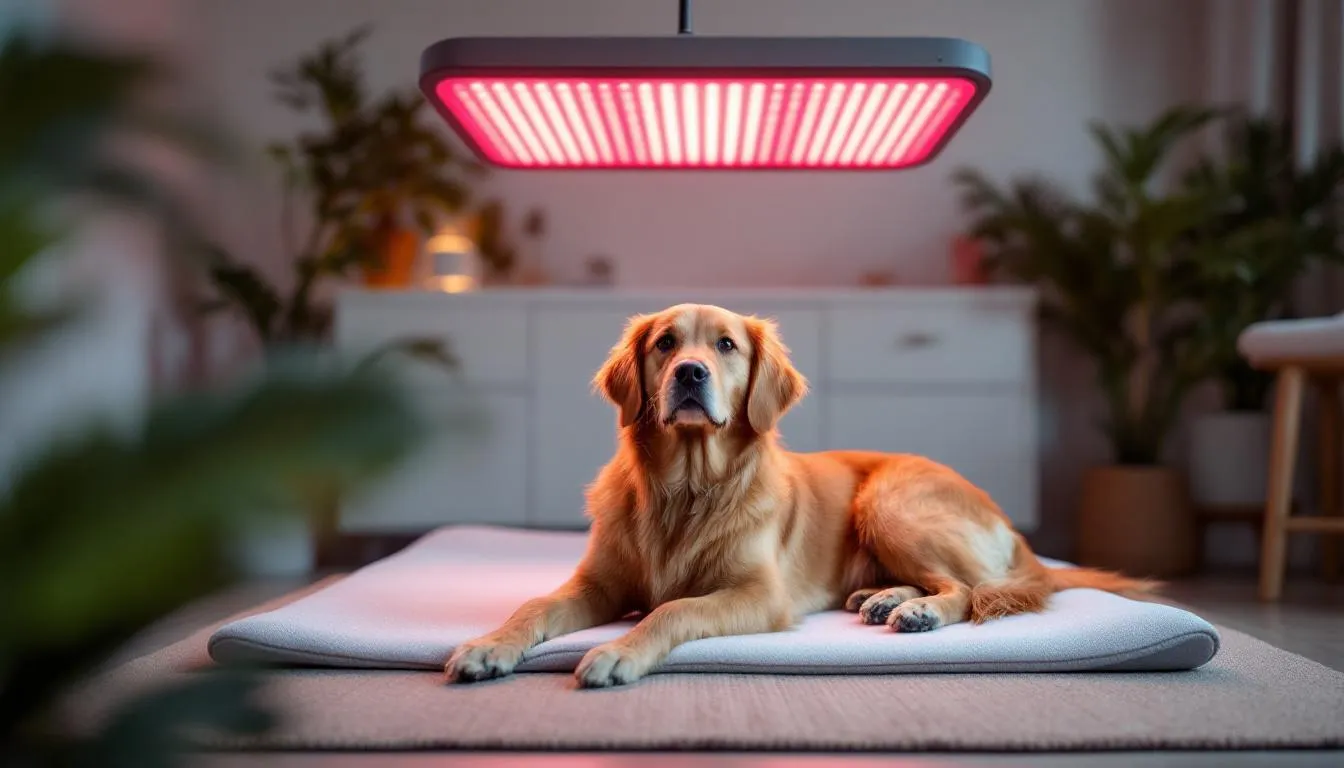
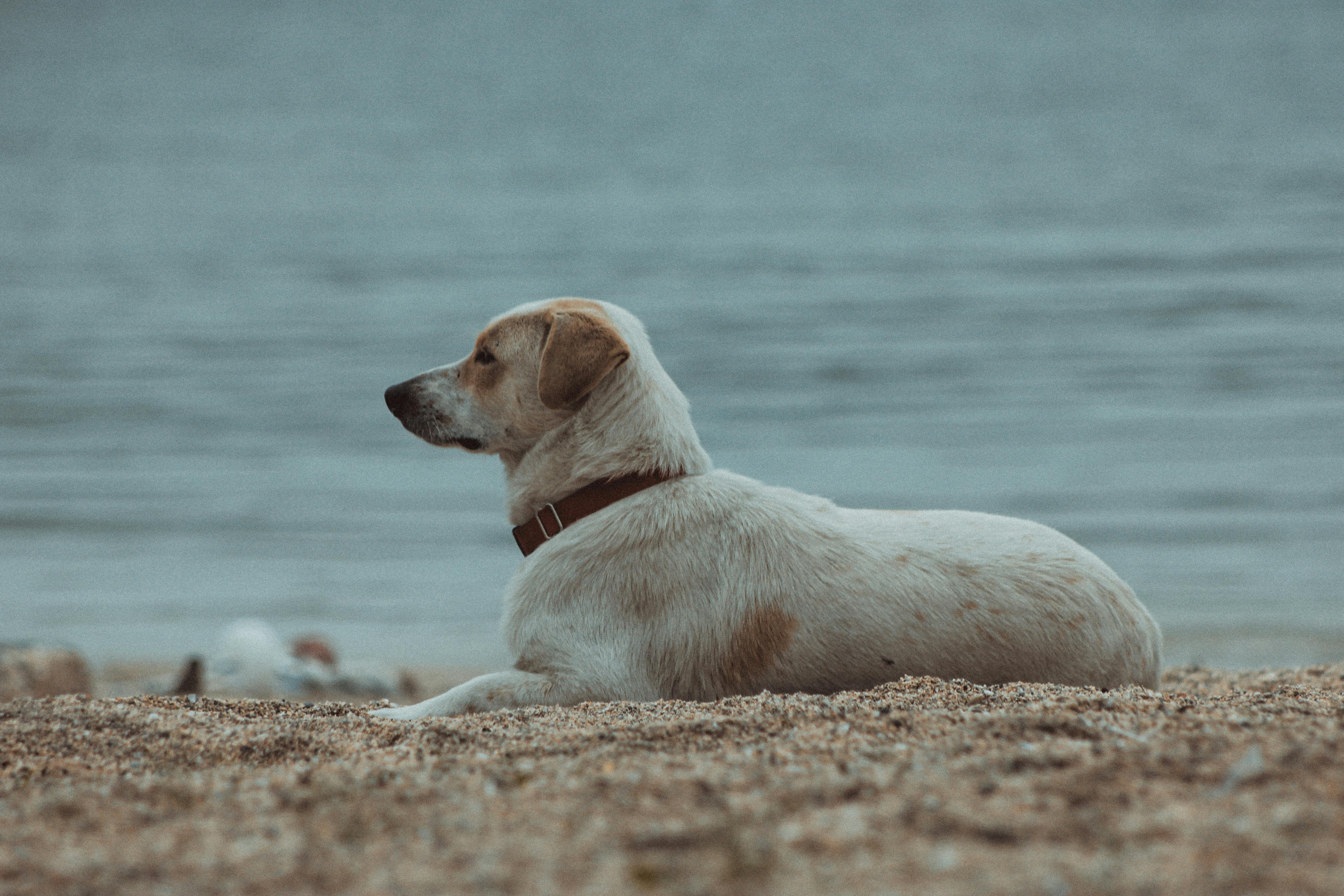
Large panel devices designed for human use are actually excellent for dogs. A medium or large panel (roughly 20x40 inches or larger) lets you treat your dog's full body or entire back half without repositioning. For dogs with generalized arthritis, bilateral hip problems, or overall wellness support, a full panel session is efficient.
The dog simply needs to lie or stand in front of the panel. Many dogs, once they get used to the warmth and the experience, will settle naturally during sessions.
What to look for:
- At least 660nm and 850nm wavelengths
- Irradiance of 50-100mW/cm² or higher at the treatment distance
- Large coverage area to minimize repositioning
Red light therapy beds designed for human use can also work for medium to large dogs. Smaller dogs can use full-length human devices effectively.
Handheld wands and smaller devices
For targeted treatment of a specific joint, wound, or area, a handheld device is more practical than a large panel. They're easier to hold close to the dog's body, they're portable, and they let you treat awkward areas like the inside of a knee or a spot under the belly.
Handheld devices for pets come in two broad categories: consumer-grade devices marketed specifically for pets, and human-designed handheld devices that work equally well. The pet-specific marketing doesn't necessarily mean better quality. The specifications matter more than the packaging.
Look for devices with:
- Clear specification of wavelengths (not just "red light" without details)
- At least 50mW/cm² irradiance at the surface
- Both red (660nm) and NIR (850nm) if possible
The HG300 and similar mid-range panel devices (we reviewed one in our HG300 red light therapy device review) work well for pets when used at appropriate distances.
Wearable wraps and pads
A growing category of pet-specific devices comes in wrap or pad form, designed to be strapped around joints or draped over the dog's back. These can work well for dogs who won't stay still near a panel. They're particularly useful for treating specific joints like hips or knees when you need hands-free operation.
The limitation is that wearable devices often have lower irradiance than panels or handhelds, and they may not maintain consistent contact with the skin through fur. They're better than nothing, but a well-positioned panel or handheld will typically deliver a more reliable dose.
What to avoid
Be wary of extremely cheap devices making extraordinary claims. A device sold for $30 claiming to treat every condition in your dog is almost certainly a toy. Meaningful photobiomodulation requires specific wavelengths at therapeutic irradiance levels. Devices without specifications, with vague "red light" descriptions, or with no mention of mW/cm² output aren't transparent about whether they can actually deliver therapeutic doses.
Also watch for devices that only emit visible red light (630-680nm) without any near-infrared component. For surface wounds and hot spots, red-only can be adequate. But for joint issues, which are the primary indication in most dogs, you need the deeper-penetrating near-infrared wavelengths.
How to use red light therapy on your dog: step-by-step protocol
This is where most dog owners get stuck. The device is one thing. Getting a restless Lab to sit still for 10 minutes is another.
Getting your dog comfortable with the process
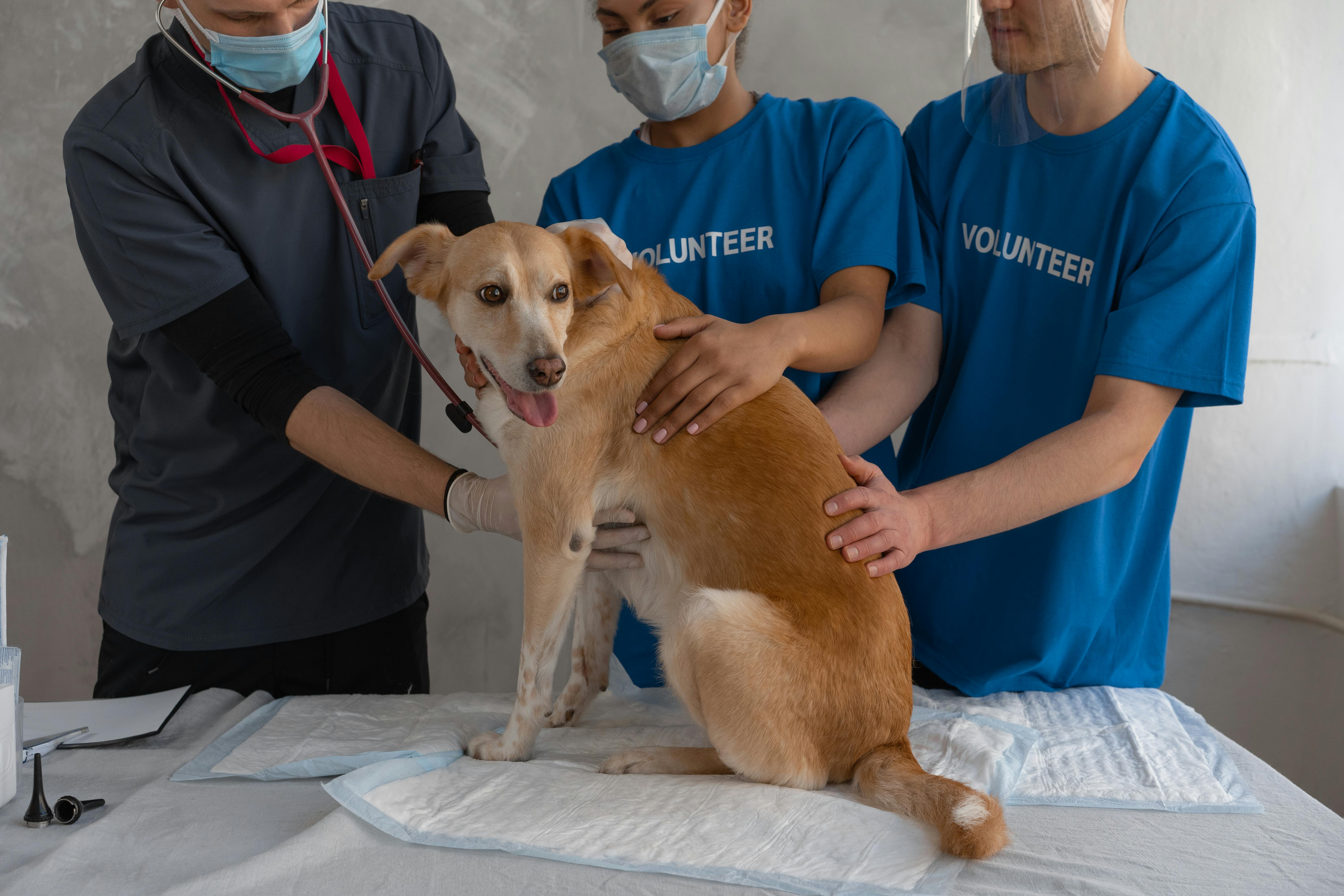
Start before you start treating. Introduce the device to your dog without turning it on. Let them sniff it. Put it near their favorite resting spot. Turn it on and let them approach it at their own pace. Many dogs are naturally curious and will investigate without concern. Some are startled by the light or any unfamiliar device.
Use high-value treats to create positive associations. Turn on the device and immediately reward. After a few sessions of just sitting near the device with treats, most dogs will accept it readily. Some dogs, once they experience the gentle warmth from a panel, actively seek it out. It's not unusual for dogs to voluntarily position themselves in front of a running panel.
For anxious dogs, start with very short exposures (1-2 minutes) and build up. Most dogs habituate within a week.
Panel distance and positioning
For large panels, the typical treatment distance is 6-12 inches from the panel surface to the dog's skin or fur surface. Closer treatment delivers higher irradiance. Given that fur absorbs some light before it reaches the skin, treating at 6 inches rather than 12 inches compensates for fur absorption loss.
If your dog is short-coated or has thin fur, 8-12 inches is fine. For thick-coated or dark-coated dogs, closer to 4-6 inches delivers a more meaningful dose.
Parting the fur to expose skin directly to the light is highly effective for localized treatment areas. This is especially useful for treating specific joints, wounds, or hot spots. Even 5 minutes of direct-skin contact at a joint will deliver more therapeutic dose than 10 minutes through a thick coat.
Session length
Session length depends on the area being treated and the device's output.
For a dog with bilateral hip arthritis using a large panel at 6-8 inches:
- 10-15 minutes per session is appropriate
- Treat 3-5 times per week during an initial 4-week phase
- Then maintain with 2-3 times per week
For a localized wound or hot spot using a handheld:
- 5-10 minutes directly over the affected area
- Once or twice daily for active healing phases
- Reduce to every other day as healing progresses
For a working dog or athletic dog for recovery:
- 10-15 minutes over major muscle groups used during activity
- Within 1-2 hours post-exercise
- 3-4 times per week or after significant activity
For deep joint conditions (hip, shoulder, elbow):
- 10-20 minutes with near-infrared wavelengths
- 4-5 times per week during treatment phases
- 2-3 times per week for maintenance
These are general guidelines. Sessions that are too short won't deliver sufficient photon dose. Sessions that are dramatically too long (over 30 minutes in one area) can potentially cause a hormetic effect where benefits plateau or marginally reverse. For home use, staying in the 8-20 minute range per area is appropriate. More detail on timing considerations applies to dogs as it does to humans.
Treating multiple areas in one session
You can treat multiple areas in a single session. Just limit each area to its appropriate time. A session treating both hips plus the spine might run 20-30 minutes total with repositioning. This is fine, and many dog owners find it efficient to do a longer comprehensive session 3 times a week rather than shorter targeted sessions daily.
Safety: protecting your dog
Red light therapy has an excellent safety profile. But there are a few things to get right.
Eye protection
This is the most important safety consideration. Both humans and animals should avoid looking directly into active red light therapy devices, especially those with high-irradiance LED clusters. Dogs won't naturally look away from a bright light source the same way humans instinctively do.
For treatment near the head or neck, use canine eye protection (dog goggles, sometimes called "doggles") or position the device to avoid light hitting the eyes directly. For body treatments away from the head, you don't need eye protection, but be aware of where the light beam is pointing.
Similar to eye protection considerations for human use, the risk is greater with high-irradiance devices used at close range. Consumer-grade full-body panels at 6-12 inches from the body, treating the torso or limbs, don't pose the same risk as pointing a high-power handheld near the face.
Conditions to avoid or be cautious with
Active cancer: PBM stimulates cellular activity and proliferation. In areas with known or suspected tumors, there's theoretical concern that this could promote tumor growth. Until more research clarifies this, standard precaution is to avoid treating directly over known tumor sites. General wellness sessions away from tumor areas are typically considered acceptable, but discuss this with your veterinarian.
Pregnancy: Treating pregnant dogs with photobiomodulation isn't recommended without veterinary guidance. The effects on fetal development haven't been studied extensively.
Thyroid gland: Avoid treating directly over the thyroid (front of the neck). This is a precaution based on the thyroid's sensitivity to light stimulation.
Open wounds with active infection: Red light therapy can promote bacterial growth as well as tissue growth. For wounds with active bacterial infection, treat alongside appropriate medical management rather than instead of it.
Photosensitizing medications: If your dog is on medications that cause photosensitivity (some antibiotics, certain chemotherapy agents), check with your vet before using PBM.
Heat and overtreatment
Unlike laser therapy (used in veterinary clinics at much higher powers), consumer-grade red light therapy panels don't generate dangerous heat. The LEDs in these devices run warm but not hot. The warming sensation dogs experience is comfortable, similar to lying in gentle sunlight.
Concerns about overtreatment in humans apply similarly to dogs. More isn't always better. At very high cumulative doses, the benefits can plateau or cause mild tissue fatigue. Sticking to the session guidelines above keeps you well within the safe and effective range.
Monitoring your dog
Watch for signs that treatment isn't being well tolerated: restlessness or attempts to move away from the device, skin redness that persists beyond treatment (mild transient redness is normal), or any changes in the treated area. Most dogs will show contentment, some will seek out the warmth actively. If a dog consistently tries to escape the session, something is off and it's worth re-evaluating the distance or duration.
What to expect: realistic timeline
Managing expectations matters. Red light therapy isn't a single-session fix. It works through accumulated dose over time.
Week 1-2: You probably won't notice much. The cellular changes happening are real, but they take time to manifest as observable improvements in behavior, movement, or healing. Some dogs show subtle changes in comfort or activity during this period, but it's not reliable.
Week 3-4: This is typically when owners start noticing. Dogs with arthritis may rise from sleep more easily, show more willingness to climb stairs, or be more active during walks. Post-surgical dogs may move the affected limb more readily and require less analgesic medication. Skin wounds that were stagnant may start closing.
Week 6-8: Significant changes are typically observable by now. Gait improvements, sustained activity tolerance, reduced pain behaviors (crying, guarding, reluctance to be touched). For arthritis dogs, this is often when owners describe it as a meaningful quality-of-life change.
Month 3+: Maintenance phase. The gains from the initial intensive treatment phase are maintained with less frequent sessions (2-3 times weekly). Some conditions continue to improve incrementally.
For wound healing, timelines compress. Superficial wounds and hot spots often show visible improvement within days. The cellular-level work happens fast enough that surface-level healing changes are observable sooner.
For chronic degenerative conditions like hip dysplasia or IVDD, the trajectory is slower but sustained. Red light therapy isn't reversing structural changes. It's managing the inflammatory and pain burden of those changes. Some dogs require ongoing maintenance indefinitely, and owners consider it part of routine wellness care.
Equine red light therapy: horses and other animals
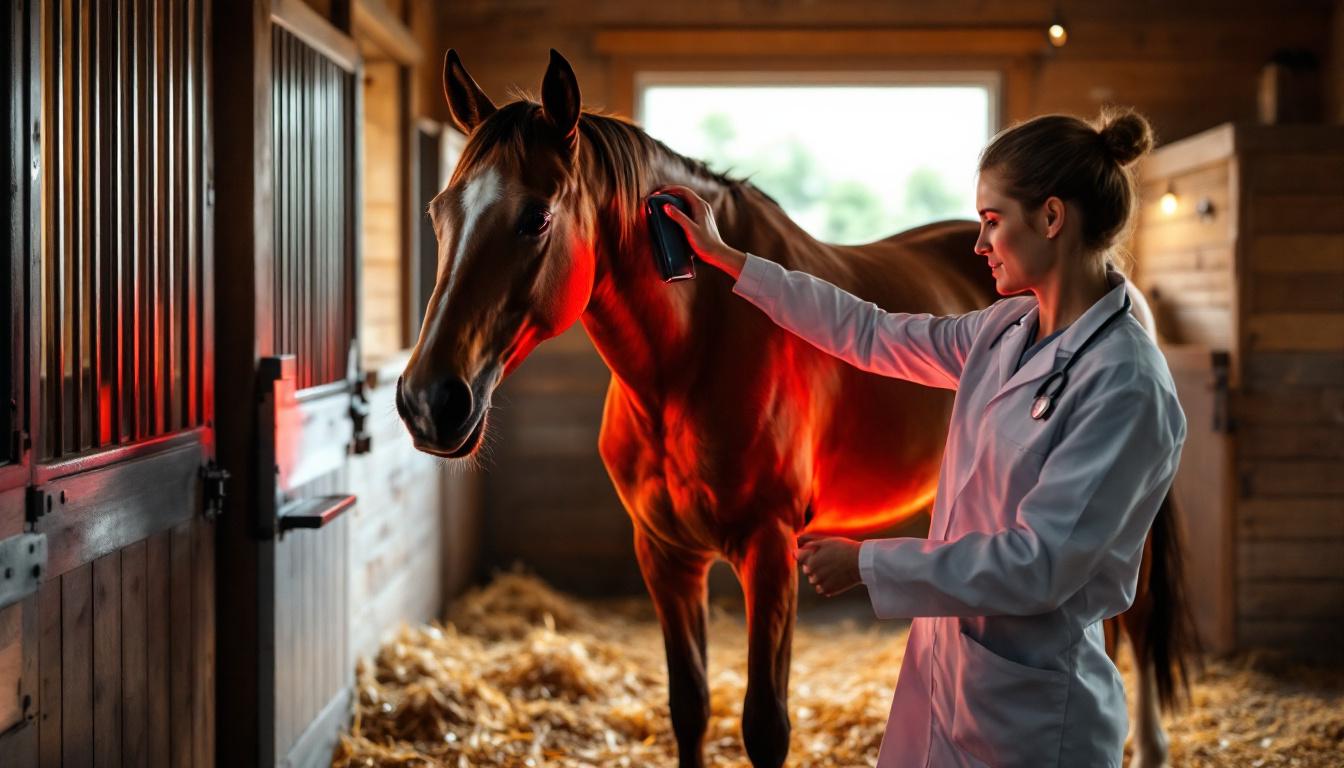
The same photobiomodulation science applies to horses. Equine red light therapy has been used in performance horse training, racing, and rehabilitation for years. The practice is now mainstream enough that professional equestrian teams and racing stables invest in large-format equine PBM systems.
For horses, the applications include:
- Back soreness and muscle fatigue in performance horses
- Wound healing (horses are notoriously difficult to heal due to their wound biology)
- Tendon and ligament injuries (extremely common in racehorses and sport horses)
- Laminitis-related hoof and hoof wall inflammation
- Arthritis in older horses
The device requirements for horses are different simply because of scale. Treating a horse's back or hindquarters requires either a large panel or a handheld device used methodically across a large area. Equine-specific wrap systems exist that cover the back and hindquarters for hands-free treatment.
The protocols for horses are longer and cover more body area. Sessions of 20-30 minutes over large muscle groups are standard. The same wavelength principles apply: 660nm for surface issues, 850nm for deeper tissue.
Cats are the other common companion animal where PBM is used. The same dog protocols apply, scaled down for size. Sessions are shorter (5-8 minutes per area), the fur considerations are similar, and the conditions treated overlap: arthritis, dental inflammation, wound healing. Cats present a unique behavioral challenge since many dislike being still or being subjected to unfamiliar devices, but they also tend to seek warmth, which can work in your favor.
Smaller exotic animals (rabbits, guinea pigs) are treated by specialized vets in some cases, though consumer home use isn't common for very small animals due to the difficulty of dosing precisely at small scale.
Combining red light therapy with other treatments
Red light therapy is most effective as part of a broader care plan. On its own, it does a lot. Combined with other modalities, it can do considerably more.
Supplements and nutrition
Several supplements have clinical evidence for supporting joint health in dogs. Omega-3 fatty acids (EPA and DHA, from fish oil) reduce systemic inflammation through a different pathway than red light therapy, and the two work synergistically. Glucosamine and chondroitin provide building blocks for cartilage maintenance. Curcumin-based supplements offer additional anti-inflammatory support.
None of these supplements replace photobiomodulation, and photobiomodulation doesn't replace them. But combining daily supplementation with regular PBM sessions gives your dog multiple approaches addressing the same underlying problem from different angles.
Physical rehabilitation exercises
Veterinary physical rehabilitation has grown into a proper specialty, mirroring human sports medicine and physical therapy. For dogs recovering from orthopedic surgeries, managing chronic joint disease, or rebuilding strength after a period of reduced activity, a structured rehabilitation program makes a significant difference.
Red light therapy fits naturally into rehabilitation programs. Many veterinary rehabilitation specialists incorporate PBM at the start of sessions to warm tissue, reduce acute inflammation, and make movement more comfortable before therapeutic exercise begins. At home, using your panel before a brief controlled walk or range-of-motion exercise session can improve your dog's willingness and comfort during movement.
Hydrotherapy, specifically underwater treadmill therapy, is another common combination. Dogs can move more comfortably in water due to buoyancy reducing joint loading. PBM before underwater treadmill sessions helps reduce pain enough that the dog will engage more actively and get more benefit from the exercise.
NSAIDs and other medications
Many dogs with significant arthritis are on pharmaceutical management: NSAIDs (meloxicam, carprofen, grapiprant), gabapentin for nerve pain, or other analgesics. Red light therapy is compatible with all of these. Some owners find that after consistent PBM treatment, they can discuss with their vet whether medication doses can be reduced. That's a conversation for the veterinarian, based on clinical assessment. But the possibility is real.
The goal isn't to eliminate medication for dogs who genuinely need it. It's to potentially reduce the medication burden while maintaining or improving quality of life. Understanding how photobiomodulation compares to other treatments helps set appropriate expectations about what each approach can and can't do.
Acupuncture and chiropractic care
Veterinary acupuncture is recognized by the AVMA (American Veterinary Medical Association) and is used by certified practitioners for pain management and neurological conditions. Some dogs with back pain, IVDD, or chronic arthritis respond well to acupuncture. Red light therapy can complement acupuncture nicely: PBM treats the tissue between sessions, maintaining the anti-inflammatory and pain-reducing effects that accupuncture initiates.
Veterinary spinal manipulation (chiropractic) is similarly practiced by certified animal chiropractors. Dogs with spinal issues who receive periodic adjustments often show sustained improvement when they also receive PBM at home between appointments.
The pattern is consistent across combinations: red light therapy fills the gaps between professional treatments, extending and sustaining the results of each intervention. And it keeps working in the background, day after day, supporting tissue health continuously.
Common mistakes dog owners make
A few patterns show up repeatedly that limit results or cause frustration.
Expecting immediate results. This is the most common one. A dog with years of arthritis isn't going to feel significantly different after two sessions. The owners who get the best results are the ones who commit to 4-6 weeks and track changes methodically.
Using the device too far away. Fur absorbs light. If you're treating a thick-coated dog from 18 inches away, the dose reaching the skin may be minimal. Get closer. Part the coat. Make the most of each session.
Inconsistent treatment schedule. Red light therapy works through accumulated dose. Treating twice in one week, then skipping two weeks, then treating sporadically doesn't build the cumulative effect that drives results. Consistency is more important than any single session duration.
Buying the cheapest device available. There are legitimate budget options in the $100-300 range that work reasonably well. But $30-50 "red light" devices from marketplaces without clear specifications aren't delivering therapeutic doses. The wavelengths may be wrong, the irradiance may be negligible, and the evidence won't apply to whatever photons they're emitting.
Treating only during flare-ups. Red light therapy works best as ongoing management, not emergency intervention. Some owners start when their dog is in a bad pain episode and stop once things improve. The improvement is more sustainable when treatment continues through good periods too.
Skipping the vet conversation. Red light therapy is a complement to veterinary care, not a replacement for diagnosis and treatment. If your dog has joint issues, get them properly evaluated. Know what you're treating. A dog that appears to have arthritis might have something else requiring different management. PBM works best when it's part of a broader plan that includes appropriate veterinary care.
Choosing the right device for your dog
With the market flooded with options, here are the key specifications to check.
Wavelengths. Must include near-infrared (810-870nm) for any joint-related condition. Red (630-680nm) alone handles surface issues only. Dual-wavelength devices covering both ranges give you the most versatility.
Irradiance. Look for at least 50mW/cm² at the treatment distance. Devices that don't publish this specification are a red flag. Higher irradiance (100mW/cm²+) allows for shorter session times and better penetration through fur.
Coverage area. For large or medium dogs, larger panels are more efficient. For targeted treatment or small dogs, a handheld works well. If you're treating a large breed's full hindquarters for hip arthritis, a panel with at least 6x12 inches of active LED area is practical.
Build quality. Devices that will see regular use need to be durable. Look for solid construction, adequate cooling (LED clusters generate heat), and a reasonable warranty.
Clinics vs. home devices. Veterinary clinics use class 3b or class 4 laser therapy devices that are significantly more powerful than consumer panels. One professional clinic session isn't equivalent to home treatment, and home treatment isn't equivalent to clinical laser therapy. They're complementary. Home devices at consumer power levels are excellent for regular maintenance and condition management. Clinic-based laser therapy delivers higher-intensity treatment for acute conditions or when faster results are needed.
SeekRedLight covers the broader landscape of device types and what to look for in our comprehensive guides. The same evaluation framework applies when choosing for pets.
Frequently asked questions
Can I use my human red light therapy device on my dog?
Yes. The same devices used for human photobiomodulation work on dogs. The biology is identical. The main adjustments are session length (often slightly shorter per area for smaller dogs), distance (closer for thick-coated breeds), and positioning (getting the dog to stay still). Large panels designed for full-body human use are actually excellent for large or medium dogs.
How often should I use red light therapy on my dog?
For active conditions like arthritis or post-surgical recovery, 4-5 times per week during an initial 4-8 week phase is recommended. For maintenance after initial improvement, 2-3 times per week is typically enough. For recovery after athletic activity, a session within 1-2 hours of exercise works well. Consistency matters more than frequency, so a schedule you'll actually stick to beats an aggressive schedule you'll abandon.
Will my dog's fur reduce the effectiveness?
Fur does absorb some light before it reaches the skin. How much depends on coat thickness and color. Black, dense fur absorbs more than thin, light-colored fur. You can compensate by treating at closer distances (4-6 inches rather than 10-12 inches), parting the coat to get the device closer to the skin, or extending session times slightly. For very thick double-coated breeds, some owners clip the fur over a chronic problem area if treating long-term.
Are there any side effects?
Red light therapy is very well tolerated in dogs. The most common "side effect" is that many dogs actively enjoy sessions and seek out the warmth. Mild, transient skin redness at the treatment site can occur, similar to mild sunlight exposure, and resolves quickly. Serious adverse effects are rare. The main safety precautions are keeping the light away from the eyes and avoiding treatment directly over known tumors. If your dog seems consistently uncomfortable or tries to escape sessions, re-evaluate your distance and duration.
How long before I see results in my dog?
Most owners notice changes at 3-6 weeks with consistent treatment. Wound healing can show visible progress within days. Chronic conditions like arthritis typically show meaningful behavioral change at 4-8 weeks. The improvements are cumulative, and they're typically sustained as long as treatment continues. Some dogs show rapid response. Others are slower. Tracking simple observations (how quickly they rise from sleep, how far they walk without slowing) helps you see changes that might not be obvious day-to-day.
Can I use red light therapy alongside my dog's medications?
In most cases, yes. Photobiomodulation doesn't interact with most common veterinary medications. It's safe to use alongside NSAIDs, joint supplements (glucosamine, fish oil), antibiotics for skin infections, and most other common treatments. The exception is medications that cause photosensitivity. Check with your vet if your dog is on unusual or specialized medications.
Is red light therapy the same as cold laser therapy at the vet?
They use the same fundamental technology but at very different power levels. Veterinary "cold laser" (class 3b) or high-power laser (class 4) therapy uses focused coherent laser light at much higher intensities than consumer LED panels. Clinical laser therapy can deliver more dose in a shorter time and penetrate more deeply. Home LED devices are non-coherent, lower intensity, and require longer sessions. Both are effective. They work best together: clinic sessions for intensive treatment phases, home LED devices for ongoing maintenance and regular support.
Can red light therapy help my horse too?
Yes. Equine photobiomodulation is well-established in professional equestrian and racing circles. The same wavelengths and principles apply. Horses benefit most for back soreness, tendon and ligament injuries, wound healing, and arthritis. The scale of application is different (larger coverage area, longer sessions), and equine-specific wrap systems exist for large-area treatment. The science is the same as for dogs.
Related guides
- Red light therapy for joint pain
- Red light therapy for neuropathy
- How long to do red light therapy
- Can you do too much red light therapy?
- Red light therapy for tendonitis
Sources
- PubMed: Photobiomodulation research database
- WSAVA: World Small Animal Veterinary Association
- Mechanisms and applications of the anti-inflammatory effects of photobiomodulation
In case I don't see you, good afternoon, good evening, and good night. May your dog's joints stay supple, their recovery stay swift, and their tail keep wagging long into old age. Explore SeekRedLight for comprehensive guides and tools to get the most from red light therapy, for you and your pets.