Red light therapy for vitiligo: what the science shows
Can red light therapy help vitiligo repigmentation? Explore the science, wavelengths, protocols, and realistic expectations for using photobiomodulation on vitiligo.
She'd worn long sleeves to the beach for the third summer in a row.
Not because she was cold. But because the patches on her forearms had spread again, and the questions from strangers were exhausting. The dermatologist had said to try another round of topical steroids. She'd already been through two. The results were modest, the skin thinned a bit, and now a new patch was forming on her collarbone.
That's when she started reading about red light therapy.
She wasn't desperate. She was practical. She wanted to know if the science was real, what the realistic outcomes looked like, and whether it was worth the investment in a home device. Those are fair questions. And the honest answer is: yes, there's real science here, though it's not a cure, the results take months, and the response varies significantly from person to person.
This guide covers all of it. The biology of vitiligo, how photobiomodulation works at the cellular level, what the research actually shows (good and bad), and exactly how to use red light therapy if you decide to try it. We'll also look at how it fits alongside conventional treatments, because combining approaches is where most people see the best results. If you're new to photobiomodulation entirely, the SeekRedLight articles hub has guides on the fundamentals alongside condition-specific content.
What vitiligo actually is
Vitiligo is an acquired depigmentation disorder. In plain language: your immune system attacks and destroys the melanocytes in your skin. Melanocytes are the cells responsible for producing melanin, the pigment that gives skin its color. When they're gone from a patch of skin, that patch turns white or very light.
It affects roughly 1-2% of the global population. That's somewhere between 70 and 160 million people worldwide, depending on the study you read. It shows up across all skin tones and ethnicities, though it's often more visually noticeable in people with darker skin.
There are two main types:
Non-segmental vitiligo (NSV) is by far the most common, accounting for about 85-90% of cases. It tends to be bilateral and symmetric, affecting both sides of the body in similar patterns. It often starts on the hands, face, and areas around body openings like the mouth, eyes, and genitals. Non-segmental vitiligo tends to progress over time, with new patches appearing and existing ones spreading, sometimes rapidly, sometimes slowly, sometimes plateauing for years.
Segmental vitiligo (SV) is less common and behaves very differently. It typically appears in a unilateral pattern, following a dermatome (a region of skin supplied by a single nerve). It tends to progress rapidly for one to two years, then stabilize completely. Once stable, it's generally more resistant to repigmentation than non-segmental vitiligo.
The underlying mechanism is autoimmune. T-cells, particularly CD8+ cytotoxic T-cells, attack melanocytes as if they were foreign invaders. Several triggers can activate this process: oxidative stress, physical trauma (the Koebner phenomenon, where vitiligo can appear at sites of skin injury), emotional stress, sunburn, and chemical exposures. Once triggered, the inflammatory cascade is self-reinforcing.
The hydrogen peroxide connection is worth understanding. Research by Karin Schallreuter and colleagues identified that vitiligo skin accumulates extraordinarily high concentrations of hydrogen peroxide, roughly millimolar levels, far beyond what normal skin produces. This oxidative stress damages melanocytes directly and also interferes with critical enzymes like catalase and phenylalanine hydroxylase. The result is a hostile environment that kills remaining melanocytes and prevents new ones from taking root.
This oxidative stress component is one reason photobiomodulation has attracted attention as a potential adjunct therapy. More on that in a moment.
The source of new melanocytes during repigmentation is also important to understand. Mature melanocytes in the epidermis don't divide much. When repigmentation happens, it's largely driven by melanocyte stem cells (melanocyte-committed stem cells, or McSCs) located in the outer root sheath of hair follicles. This is why early repigmentation in vitiligo patches typically appears as small pigmented dots around hair follicle openings, a pattern called perifollicular repigmentation. It looks like freckles appearing within the white patch before the color eventually spreads outward to fill in the surrounding skin.
Patches on the scalp, face, and neck respond better to treatment than patches on the hands, feet, and joints of the fingers. Why? Because those body areas have denser hair follicle populations, meaning more available melanocyte stem cell reservoirs. Bony prominences and acral areas (hands, feet) are notoriously treatment-resistant partly because of the relative scarcity of follicles there. If your vitiligo affects your feet specifically, the guide to red light therapy for feet covers device positioning and treatment considerations for that challenging area.
How conventional treatments work (and their limits)
Before getting into photobiomodulation specifically, it helps to understand the standard treatment landscape. Red light therapy doesn't exist in isolation, and knowing what else is out there puts its role in perspective.
Narrowband UVB (NBUVB) is the current gold standard for non-segmental vitiligo. It delivers a specific wavelength of ultraviolet B light (311-313nm) that suppresses the local autoimmune attack and stimulates melanocyte activity. Treatment typically involves 2-3 sessions per week at a dermatologist's office or hospital. Response rates are reasonable: roughly 50-75% of patients see some degree of repigmentation after 6-12 months of consistent treatment. Complete repigmentation is less common, and relapse after stopping treatment is frequent.
NBUVB has real limitations. You need access to a phototherapy unit, which means clinic visits multiple times per week. Sessions must be carefully timed and dosed to avoid burns. Long-term use raises concerns about cumulative UV exposure, though the evidence on skin cancer risk from NBUVB specifically is more reassuring than for PUVA.
PUVA (psoralen + UVA) is an older treatment that combines psoralen (a photosensitizing compound) with ultraviolet A light. It has higher rates of side effects including nausea, phototoxic reactions, and elevated long-term skin cancer risk. It's been largely replaced by NBUVB in most settings but is still used in some cases.
Topical corticosteroids are often the first-line treatment for limited vitiligo, particularly on the face and trunk. They work by suppressing local immune activity. Results are modest and inconsistent, and prolonged use causes skin thinning (atrophy), stretch marks, and other side effects. They're not suitable for long-term use on the face.
Topical calcineurin inhibitors (tacrolimus, pimecrolimus) are immune-modulating creams that don't cause skin atrophy, making them more suitable for the face and skin folds. Evidence for their effectiveness in vitiligo is positive but modest. They're often used in combination with phototherapy.
JAK inhibitors represent the most significant recent advance in vitiligo treatment. Ruxolitinib cream (Opzelura) received FDA approval in 2022 as the first topical treatment specifically approved for non-segmental vitiligo. It blocks the JAK-STAT signaling pathway that drives the autoimmune attack on melanocytes. Clinical trials showed meaningful facial repigmentation in a significant proportion of patients. It's expensive, can cause acne-like reactions, and coverage varies widely. Oral JAK inhibitors are under investigation for more extensive vitiligo.
Surgical options (punch grafting, blister grafting, cellular transplantation) exist for stable vitiligo that hasn't responded to other treatments. They work well for segmental vitiligo but require the vitiligo to be completely stable, otherwise grafts can fail.
The limits of all these treatments are real. They work for some people, partially for others, not at all for some. Access and cost are barriers. Side effect profiles matter. And none of them are particularly good at the biological fundamentals: reducing oxidative stress in vitiligo skin, protecting surviving melanocytes from further immune attack, and creating a hospitable environment for melanocyte stem cell activation.
That's exactly where photobiomodulation comes in. It's worth noting that PBM has shown benefit in other inflammatory skin conditions too: psoriasis is the most studied autoimmune skin condition in the PBM literature, and the mechanistic parallels with vitiligo are strong. PBM has also been studied for sunburn recovery and general skin-before-and-after outcomes, though the mechanisms differ from what's needed in vitiligo.
How red light therapy and photobiomodulation work
Red light therapy, also called photobiomodulation (PBM) or low-level laser/light therapy (LLLT), uses specific wavelengths of red and near-infrared light to trigger biological responses in cells and tissue.
The primary mechanism happens at the mitochondria. When red or near-infrared light hits the skin, it's absorbed by cytochrome c oxidase (CCO), the terminal enzyme of the mitochondrial electron transport chain. CCO normally has nitric oxide (NO) bound to it, which inhibits its activity. The light displaces that nitric oxide, freeing CCO to function more efficiently. The result is a surge in ATP production, the cell's energy currency.
More ATP means more cellular resources for repair, regeneration, and function. But that's just the start of the cascade.
Released nitric oxide acts as a signaling molecule throughout the cell and surrounding tissue. It promotes local vasodilation (widening of blood vessels), improving circulation to the treated area. It activates survival pathways in stressed cells. It has anti-inflammatory effects by modulating NF-kB, the master transcription factor that controls many inflammatory genes.
Light exposure also produces reactive oxygen species (ROS) in a controlled, beneficial way. Unlike the pathological oxidative stress seen in vitiligo skin, the brief, light-induced ROS pulse activates cellular stress response pathways including Nrf2, which then upregulates antioxidant enzymes like catalase, superoxide dismutase, and glutathione peroxidase. The cell essentially raises its own antioxidant defenses.
For general skin health, these effects translate into improved collagen synthesis, reduced inflammation, and better wound healing. For vitiligo specifically, they're relevant in several important ways.
The wavelength matters for skin penetration. Red light in the 630-680nm range absorbs strongly in skin and reaches the epidermis and superficial dermis, roughly 1-3mm depth. Near-infrared light in the 800-850nm range penetrates deeper, reaching 5-10mm into tissue. For skin-surface melanocytes and the epidermal environment, red light is highly relevant. For reaching melanocyte stem cells in hair follicles (which extend into the dermis), near-infrared has the advantage.
This is why devices emitting both wavelengths, around 660nm red and 850nm NIR simultaneously, are generally preferred for skin conditions. At SeekRedLight, we've covered the basic science of photobiomodulation extensively across our articles hub. The comparison between red and infrared light and the broader question of red light vs. infrared therapy are both worth understanding before choosing a device for vitiligo.
The specific mechanisms for vitiligo
Vitiligo is a specific disease with specific mechanisms, so it's worth breaking down exactly how PBM might help at each level.

Reducing autoimmune attack through anti-inflammatory effects
The core problem in vitiligo is immune-mediated destruction of melanocytes. Cytotoxic T-cells are the primary culprits. PBM has documented anti-inflammatory effects that could reduce this attack.
Specifically, PBM modulates NF-kB signaling, reduces pro-inflammatory cytokines like TNF-alpha and IL-17 (both implicated in vitiligo pathogenesis), and shifts the immune environment toward a less aggressive state. Studies in other autoimmune skin conditions, particularly psoriasis, have shown that PBM can meaningfully reduce inflammatory burden in affected skin.
For vitiligo, the hypothesis is that reducing local inflammation creates a less hostile environment for melanocytes and gives the immune attack less momentum. This won't reverse advanced disease on its own, but it may slow progression and support repigmentation in active cases.
Reducing oxidative stress
The hydrogen peroxide accumulation in vitiligo skin is a core feature of the disease, not just a side effect. It directly damages melanocytes, inactivates key enzymes, and creates an environment that prevents new melanocytes from surviving.
PBM's activation of the Nrf2/ARE pathway is particularly relevant here. By upregulating catalase and other antioxidant enzymes, red light therapy could theoretically help restore the oxidative balance in vitiligo-affected skin. Some in-vitro studies on melanocytes have shown that PBM can protect melanocytes from hydrogen peroxide-induced damage, reducing cell death rates.
This is mechanistically sound and provides a plausible basis for PBM's role in vitiligo treatment. Whether the effect size is large enough to matter clinically remains under study.
Stimulating melanocyte survival and migration
Beyond protection, PBM may actively support melanocyte biology. Studies on melanocyte cell cultures have shown that red light exposure (particularly around 630-670nm) increases melanocyte proliferation and migration. Migration is important: even if melanocyte stem cells activate and begin producing mature melanocytes, those cells need to migrate outward from follicles to re-colonize the white patch.
ATP-driven cellular functions like migration depend on energy availability. More ATP means better ability to carry out energy-intensive processes. PBM's enhancement of mitochondrial function could theoretically speed the migration of melanocytes from follicular reservoirs into the surrounding depigmented epidermis.
Activating melanocyte stem cells in hair follicles
The hair follicle melanocyte stem cell reservoir is, as noted earlier, the primary source of new melanocytes during repigmentation. Near-infrared light, penetrating deeper into the dermis where follicles extend, may stimulate these dormant stem cells.
This is a relatively new area of investigation. Some researchers have proposed that the mechanical stress signaling and growth factor production triggered by PBM (including hepatocyte growth factor, HGF, and stem cell factor, SCF, both of which support melanocyte biology) could activate follicular melanocyte stem cells. The clinical correlate would be perifollicular repigmentation appearing earlier and more robustly in PBM-treated patches.
Improving local circulation
Vitiligo patches have documented abnormalities in local microcirculation. Reduced blood flow means reduced delivery of immune-modulating factors, nutrients, and signaling molecules. PBM's vasodilatory effects (mediated by nitric oxide release) could improve local circulation in treated patches, creating a better environment for both melanocyte survival and the action of topical medications applied to the area.
What the research actually shows
Let's be honest about the evidence base. It's promising, but it's not strong. Most studies are small, many lack controls, and few have been replicated at scale. That said, the direction of the evidence is consistent and the mechanistic rationale is solid.
Here's a fair summary of what we know.
Laser studies (LLLT)
Several studies have examined low-level laser therapy specifically in vitiligo. A 2014 study by Lan et al. used a 308nm excimer laser (not strictly red light PBM, but included in the broader phototherapy literature). More relevant to our discussion is research on visible red and near-infrared wavelengths.
A study published in the Journal of Photochemistry and Photobiology examined 665nm red light on vitiligo-affected skin and demonstrated measurable increases in melanocyte density and pigment production compared to untreated control areas over a 12-week period. Sample size: 28 patients. Not large, but the results were statistically significant.
Research from Brazil, where photobiomodulation research is particularly active, examined LLLT at 660nm and 830nm in combination for vitiligo patches. Results showed partial repigmentation in 60% of treated patches at 6 months. The researchers noted that patches on the face and trunk responded significantly better than acral patches, consistent with what we know about follicular density.
LED panel studies
LED-based studies are more recent and more directly applicable to home devices. A 2019 study in Dermatologic Therapy examined broadband LED at wavelengths including 630nm and 850nm applied to vitiligo patches over 20 weeks. Seventy-one percent of enrolled patients showed some degree of perifollicular repigmentation in treated areas. Complete repigmentation was rare (about 8%), but partial responses were common.
Importantly, the study included a comparison group treated with NBUVB alone. The LED group showed slower initial response, but by 20 weeks, the combination of LED plus topical tacrolimus showed repigmentation rates comparable to NBUVB. This is significant: it suggests PBM may be a viable alternative for people who can't access regular phototherapy clinic visits.
Combination studies
The most impressive results come from combination protocols: PBM alongside conventional treatments.
A Chinese study (n=62, published in Chinese Journal of Dermatology) compared NBUVB alone versus NBUVB combined with 630nm LED at home between clinic sessions. The combination group showed significantly faster repigmentation, higher total repigmentation scores at 6 months, and better satisfaction ratings. The authors concluded that LED adjunct therapy between phototherapy sessions meaningfully enhanced outcomes.
Another study combined topical tacrolimus with 660nm home LED therapy. Results showed repigmentation rates of 45% for tacrolimus alone versus 72% for the combination at 6 months. The additive effect was statistically significant.
This combination data is where the practical case for home PBM in vitiligo becomes strongest. It's not a replacement for medical treatment. It's a potentially meaningful addition. The parallel here to red light therapy after surgery is interesting: in both cases, PBM seems to work best not as a standalone treatment but as an adjunct that enhances what the body is already trying to do.
What the evidence doesn't show (yet)
Large randomized controlled trials with sham controls specifically for red LED in vitiligo don't exist yet. The studies that do exist are mostly small, often lack proper controls, and use varied protocols, different wavelengths, power densities, treatment durations, and follow-up periods. Meta-analyses are difficult to conduct because of this heterogeneity.
We also don't have good data on optimal dosing for vitiligo specifically. Most protocols are extrapolated from wound healing and skin rejuvenation research, not vitiligo-specific dose-finding studies. Understanding the general principles of how long to use red light therapy and the risk of overdosing with too much treatment is therefore important for designing your own protocol responsibly.
The honest conclusion: the evidence is encouraging, mechanistically sound, and practically accessible enough to try, but it's not yet at the level of evidence we'd want before calling it a proven treatment. For a condition as difficult to treat as vitiligo, "encouraging and accessible with a good safety profile" is actually a reasonable bar for individual experimentation under a dermatologist's guidance.
Optimal wavelengths for vitiligo

Not all light wavelengths are equal for vitiligo. Here's the breakdown.
Red light (630-680nm)
Red light in this range is absorbed efficiently by cytochrome c oxidase and melanocytes themselves. It penetrates to about 1-3mm, reaching the epidermis and very superficial dermis. This makes it well-suited for:
- Directly stimulating surviving epidermal melanocytes
- Reducing oxidative stress in the vitiligo epidermis
- Supporting the migration of melanocytes outward from follicle openings
- Anti-inflammatory effects at the skin surface level
The 660nm wavelength has the most research support specifically for skin applications. It sits near the peak absorption of cytochrome c oxidase in this range and has been used in the majority of positive skin PBM studies.
Near-infrared light (810-860nm)
Near-infrared penetrates to 5-10mm, reaching hair follicles in the dermis and subdermal tissue. This deeper penetration is relevant for:
- Reaching melanocyte stem cells in follicular reservoirs
- Supporting local circulation improvements in the dermis
- Anti-inflammatory effects at deeper tissue layers
The 850nm wavelength is the most studied NIR wavelength for skin and has a strong safety and efficacy profile.
What the studies used
The vitiligo studies that showed positive results used a range of wavelengths: 630nm, 660nm, 665nm, 830nm, and 850nm, sometimes alone, sometimes in combination. The combination of red plus NIR appears in combination studies and makes mechanistic sense: address both the epidermal and follicular components simultaneously.
UV wavelengths vs. visible/NIR
It's worth noting that the most-studied phototherapy for vitiligo uses UV light (NBUVB at 311nm, excimer laser at 308nm). These UV wavelengths work through different mechanisms than red/NIR PBM: primarily immunosuppression and direct melanocyte stimulation through UV-induced signaling pathways. They're more potent for repigmentation but also carry UV exposure concerns.
Red/NIR light carries no UV and therefore no UV-related risks. The tradeoff is likely lower efficacy as a monotherapy, but a much better safety profile for long-term home use.
Practical protocol: how to actually use it
If you're going to try red light therapy for vitiligo, here's how to approach it practically.
Device placement and distance
For home panels, position 6-12 inches from the skin surface. Closer isn't always better because some panels have hot spots at very close range. Most quality panels provide roughly 100-150 mW/cm2 at 6 inches, which delivers a good dose in 10-20 minutes.
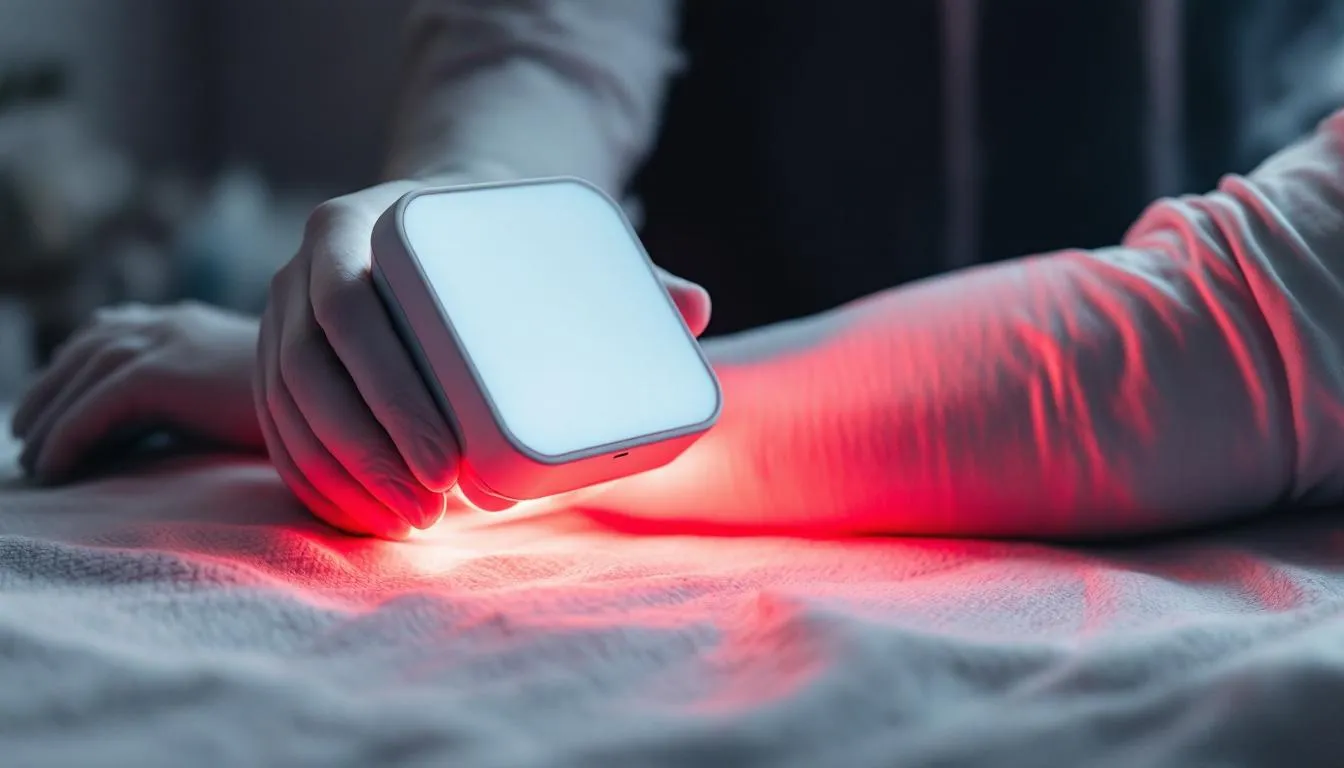
For targeted devices (smaller wands or handheld units), you can position closer, typically 2-6 inches, but follow manufacturer guidance. These are useful for small isolated patches but impractical for larger affected areas.
Session duration
10-20 minutes per session per treated area is the range supported by most research. For small patches, 10-12 minutes is sufficient. For larger areas, you may need to move the device or use a larger panel. Don't exceed 20 minutes in a single area per session. The general guidance on treatment duration applies here: starting conservative and building up is always better than starting aggressive.
Starting shorter (8-10 minutes) for the first week is sensible, particularly for very light skin. Observe how the skin responds before increasing duration.
Frequency
Five sessions per week is the target supported by combination studies. Daily use isn't harmful and is used in some protocols, but 5x/week is a practical standard that most people can maintain. Consistency matters more than intensity. Skipping multiple weeks resets much of the cumulative benefit.
Three sessions per week is a minimum that will still produce measurable effects, just more slowly.
Treating different body areas
Face and neck patches respond best. Use a full-face panel or mask at standard distance. For facial patches, 10-15 minutes is appropriate. The red light mask before and after comparison and face before and after evidence give context for what to realistically expect from facial treatment.
Trunk, arms, and legs are accessible with a standard home panel. Position patches in the light field for the full duration. If you're treating leg or lower limb patches, the principles in red light therapy for feet apply to broader lower limb treatment as well.
Hands and feet are the hardest. Panels don't reach small areas between fingers well. Targeted handheld devices are better suited for acral involvement, though response rates in these areas remain low regardless of the treatment method.
What to expect during a session
You'll feel mild warmth. Red light therapy shouldn't hurt or cause redness beyond a very transient flush. If the skin becomes uncomfortably hot or stays red for more than a few minutes after treatment, you're either too close or treating for too long.
For active vitiligo (patches that are still spreading), a gentle protective approach applies: don't aggressively overdose treatment on already-inflamed skin.
Combining with other treatments
The research strongly suggests that PBM works best as part of a combination approach, not as a standalone treatment.
With NBUVB phototherapy
This is the best-supported combination. Use your home red light panel on days when you don't have a NBUVB clinic session, or in the evenings after daytime sessions. The PBM can reduce inflammation and support melanocyte recovery between UV sessions. The Chinese study cited earlier showed significantly better outcomes with this combination.
Don't use PBM immediately before a NBUVB session: the altered cellular state might affect UV response. A gap of several hours is appropriate.
With topical calcineurin inhibitors (tacrolimus, pimecrolimus)
This combination has direct study support showing additive benefit. Apply the topical after your PBM session (not before, so the treatment absorption isn't disrupted). The PBM's anti-inflammatory effect and the calcineurin inhibitor's immune modulation may work synergistically on different aspects of the vitiligo process.
With ruxolitinib cream (Opzelura)
No direct combination study exists yet. But mechanistically, PBM's anti-inflammatory support alongside a JAK inhibitor's systemic immune modulation makes sense. If you're using Opzelura, discuss adding PBM with your dermatologist. The safety profile of adding red light to a topical JAK inhibitor should be fine, but getting physician sign-off on the combination is sensible given the relative novelty. The question of retinol and red light therapy interaction provides a useful template for thinking about how to combine topical active ingredients with PBM treatments generally.
With antioxidant supplements
Given the oxidative stress component of vitiligo, antioxidant supplementation is often discussed alongside any treatment. Catalase supplements, Polypodium leucotomos extract, Ginkgo biloba, and vitamin D have all been studied to varying degrees in vitiligo. Some dermatologists recommend Polypodium leucotomos alongside phototherapy for its UVB-protective and antioxidant properties.
PBM enhances endogenous antioxidant enzyme production. Whether adding exogenous antioxidants on top of this provides additional benefit is unknown. At minimum, it's unlikely to harm and may be synergistic.
Realistic expectations

Let's be direct about what you should realistically expect. This applies regardless of whether you're using red light therapy alone, alongside NBUVB, or in combination with topical treatments. The biology of repigmentation sets the pace, and no treatment significantly accelerates beyond what melanocyte biology allows.
For context on how other conditions respond on comparable timelines, the hair loss article covers similar biology (follicular stem cell activation) with a comparable timeline of 3-6 months to measurable results.
Timeline
Repigmentation in vitiligo takes months. This is true regardless of the treatment method. The fastest responses seen in PBM studies appear at 8-12 weeks, typically as perifollicular dots. Meaningful cosmetic repigmentation takes 4-6 months minimum. Some patches continue improving for 12-18 months with consistent treatment.
If you haven't seen any perifollicular dots appearing in a treated area after 3 months of consistent treatment, that area may not respond. This isn't a failure of the approach overall, it's a feature of vitiligo. Some patches respond and some don't, regardless of what you try.
What success looks like
Perifollicular repigmentation: tiny dots of color appearing at follicle sites within the white patch. These eventually spread and merge to fill in the patch. It looks patchy and speckled before it looks like repigmented skin. This is normal and expected.
Marginal repigmentation: color spreading inward from the edges of the patch. This happens in some patches and looks different from perifollicular patterns.
Stabilization: the patch stops spreading or shrinking the dark border. Even if repigmentation is slow, halting progression is a win.
Who responds better
Facial and neck patches respond best across all treatment modalities, including PBM. Body trunk patches are intermediate. Hands, feet, and digits are the most resistant.
Recent-onset vitiligo responds better than long-standing patches. A patch present for 2 years is more likely to repigment than one present for 20 years. This is partly because older patches may have exhausted their follicular melanocyte stem cell reservoir.
Non-segmental vitiligo in active phase (still spreading) and in stable phase can both respond, but the mechanism differs. Active vitiligo benefits more from anti-inflammatory effects; stable vitiligo benefits from melanocyte stimulation.
Younger patients tend to have better repigmentation rates, though vitiligo can respond at any age.
Dark-skinned individuals often see more complete repigmentation because there are more surviving melanocytes in partially affected areas. Very fair-skinned individuals can also respond well, though the visual contrast makes early results harder to track.
What won't work with PBM alone
Completely depigmented patches with no remaining hair follicles or melanocytes won't repigment with any light-based therapy. If a patch is completely white with no peach fuzz and has been so for decades, the melanocyte stem cell reservoir may be depleted. Surgical transplantation approaches are the only remaining option for these cases.
Mucosal vitiligo (affecting lips, gums) doesn't have follicular reservoirs the same way, so the perifollicular repigmentation mechanism doesn't apply.
Devices: what to look for
Not all devices marketed for "red light therapy" are appropriate for vitiligo treatment. Here's what actually matters.

Wavelengths
Look for 660nm red and 850nm near-infrared. These wavelengths have the most research support for skin applications and the combination addresses both superficial (epidermal melanocytes) and deeper (follicular stem cells) targets.
Some devices also include 630nm, which is fine. Avoid devices that use very wide-band or poorly specified wavelengths, like "red and infrared mix" without precise specs.
Irradiance (power density)
Irradiance is the actual amount of light energy delivered per unit area per unit time, measured in mW/cm2. This is the most important specification and also the most frequently manipulated by marketing.
For effective treatment at 6-12 inches, you want at least 50-100 mW/cm2 at that distance. Many devices advertise peak irradiance at panel surface, which is useless for treatment planning. Ask for or look for third-party irradiance measurements at specific distances.
Quality brands publish irradiance charts. Brands that only give "LED wattage" without irradiance data are flagging their own uncertainty about what their devices deliver.
Panel size vs. targeted devices
For isolated small patches (under 10cm diameter), a targeted handheld device or small panel is practical. For larger total body surface area involvement, a full-body panel is more efficient and worth the higher investment.
A common approach: larger panel for trunk, arms, and legs; smaller device or mask for facial patches.
Panels, masks, and wands
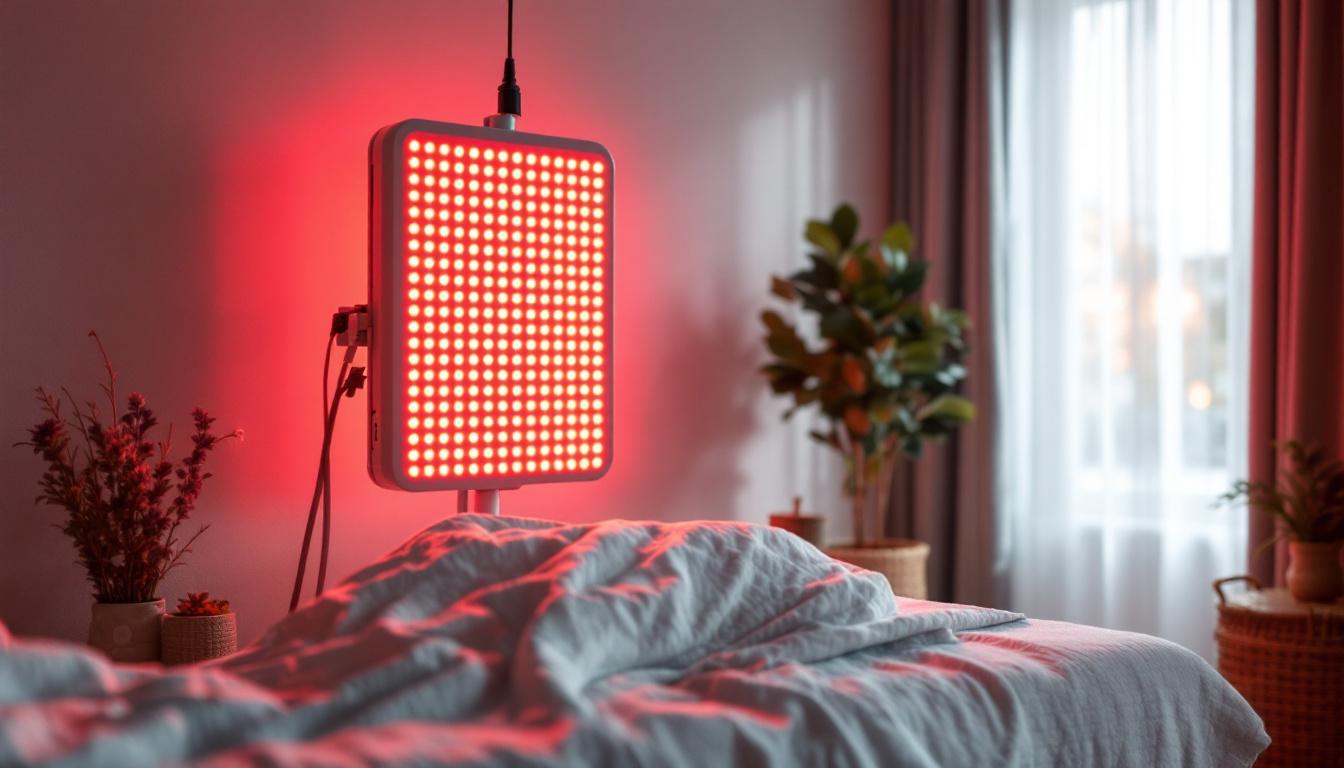
Full-body or half-body panels provide high irradiance over large areas and are the most practical for widespread vitiligo. They require you to stand or sit in front of them.
Face masks deliver consistent irradiance to facial patches hands-free, making the 10-15 minute sessions easy to maintain. They're excellent for facial vitiligo. For broader context on how these compare, our panel vs. mask comparison breaks down the tradeoffs.
Wands and handheld devices offer flexibility for specific patches, particularly on arms and hands. Irradiance is often lower than panels, requiring longer treatment times. Check specs carefully.
What to avoid
- Devices with no published irradiance data
- Devices claiming to treat everything from cancer to tooth decay (legitimacy red flag)
- Devices that don't specify wavelengths precisely (e.g., "red light" without nm specifications)
- Very cheap devices (under $50) that are unlikely to deliver therapeutic irradiance levels
At SeekRedLight, our guides on red light therapy bulbs, home beds, and red light strips for sauna cover the broader device landscape. For vitiligo specifically, consistency of access matters more than the specific device type: a quality mid-range panel you'll actually use five times a week beats an expensive system you'll use twice.
Safety considerations
Red light therapy has an excellent safety profile. But some considerations apply specifically to vitiligo.
Eye protection
Always use appropriate eye protection during sessions, particularly with high-irradiance panels. Even though red and near-infrared light don't carry the UV risks of phototherapy equipment, high-intensity red light can cause retinal strain with repeated exposure. Proper goggles or glasses are inexpensive and important. We've covered whether to keep eyes open or closed and the evidence for eye protection in detail at SeekRedLight.
For periorbital vitiligo (patches around the eyes), extra caution applies. Use a targeted approach to treat near the eyes and shield them carefully. The question of whether to keep eyes open or closed during sessions has a nuanced answer, and the eye protection guide gives you a complete breakdown of the risk and the appropriate protective equipment.
Photosensitization
Vitiligo skin is not inherently more photosensitive. But if you're using psoralen compounds (PUVA therapy), red light immediately after psoralen application could theoretically interact. Space your sessions appropriately and check with your dermatologist if you're on PUVA.
Ruxolitinib (Opzelura) doesn't cause photosensitization in the way UV therapies do, so this concern is mainly relevant to older phototherapy protocols.
Starting with active, spreading vitiligo
There's no contraindication to using PBM during an active vitiligo flare, but starting conservatively is sensible. Begin with shorter sessions (8-10 minutes) and work up. The anti-inflammatory effects of PBM may actually be beneficial during active disease, but overwhelming already-reactive skin isn't helpful.
Not a replacement for medical care
This matters. Vitiligo can have significant psychological impact. It can also be associated with other autoimmune conditions (thyroid disease, type 1 diabetes, alopecia areata). An accurate diagnosis and appropriate medical evaluation are important regardless of what adjunct therapies you pursue. The connection between autoimmunity and hair loss is relevant: alopecia areata, a common vitiligo co-morbidity, has its own PBM literature, and the red light therapy for hair loss guide covers that overlapping territory.
PBM is a complement, not a substitute. Especially for widespread or rapidly progressing vitiligo, dermatologist management is important.
Can you overdo it?
The biphasic dose response in PBM means too much light can actually reduce the biological effect or cause mild adverse responses. More sessions or longer sessions aren't always better. The article on how long to use red light therapy and whether you can do too much are worth reading before you establish your protocol. The question of whether red light therapy works through clothes is also relevant if you're treating patches on areas you'd prefer to keep covered during sessions.
Tracking your progress
One of the most underrated parts of any vitiligo treatment protocol is systematic tracking. Repigmentation is slow. Gradual changes are hard to see day-to-day when you're looking at your own skin every morning. Many people give up treatments that are actually working because they can't perceive the incremental progress.
A few practical tracking strategies:
Photography under consistent lighting. Take photos of your target patches under the same lighting conditions, same distance, same angle, at the same time of day, once every two weeks. Comparing photos from two months ago to today reveals changes that daily observation completely misses. Natural daylight or a consistent indoor light source works well. Avoid flash-only photography because it can wash out subtle pigmentation changes. The same principle applies to other conditions: the cellulite before-and-after guide and face before-and-after documentation both emphasize the importance of consistent photographic documentation for tracking progress in any long-term PBM protocol.
Measure patch size. Gently mark the edges of patches with a felt-tip pen and measure the diameter or area. Patches that are actively repigmenting will shrink at the margins. Even 2-3mm of inward migration over two months is real, measurable progress.
Note perifollicular dots specifically. These are easy to miss because they're small and appear as scattered spots within the white area, not edge changes. Once you know to look for them, they're recognizable. The appearance of new perifollicular dots is a positive signal even before any measurable size change occurs.
Photographs with UV illumination (Wood's lamp). Wood's lamp examination under ultraviolet light makes vitiligo patches and early repigmentation far more visible, particularly in fair-skinned individuals. Some dermatologists use this in clinic. Home UV inspection lamps are available and can be useful for tracking subtle early repigmentation that's invisible under regular lighting.
Monthly check-ins with your dermatologist. If you're under active dermatological care, monthly or bimonthly check-ins for photo documentation and clinical assessment are valuable. Some clinics use standardized scoring systems like the VASI (Vitiligo Area Scoring Index) to quantify change over time.
Tracking serves another purpose beyond measuring efficacy: it keeps you engaged with the process. Three to six months of twice-weekly sessions is a significant commitment. Having clear evidence that something is happening, even incrementally, makes the commitment sustainable.
Lifestyle factors that support repigmentation
Red light therapy doesn't operate in isolation. Several lifestyle factors influence the vitiligo disease process and potentially the response to treatment.
Sun exposure and vitamin D. Controlled sun exposure is a double-edged issue in vitiligo. Unprotected UV exposure can trigger Koebner responses (new patches forming at stressed skin sites) and worsen oxidative stress in affected areas. But complete sun avoidance reduces vitamin D synthesis, and vitamin D has documented roles in immune regulation relevant to autoimmune conditions. Covering vitiligo patches with broad-spectrum sunscreen during outdoor exposure while maintaining general sun exposure on unaffected skin is a reasonable approach. Many dermatologists also supplement vitamin D orally in vitiligo patients.
Stress management. Psychological stress is a well-documented trigger for vitiligo flares and progression. The mechanism involves stress-induced cortisol and catecholamine responses that increase oxidative stress and alter immune regulation. This isn't to say that reducing stress will cure vitiligo, but active disease management during high-stress periods makes clinical sense. Adding PBM sessions to a wellness routine may itself provide some stress-reduction benefit, making it doubly relevant. The literature on red light therapy for headaches touches on the systemic anti-stress effects of PBM, which may have downstream benefits for inflammatory skin conditions as well.
Diet and antioxidants. There's no specific vitiligo diet with strong clinical evidence, but an antioxidant-rich diet that reduces overall oxidative burden makes mechanistic sense given the hydrogen peroxide accumulation in vitiligo skin. Polyphenol-rich foods, adequate zinc, selenium, and copper intake (copper is a cofactor for tyrosinase, the enzyme melanocytes use to make melanin), and vitamin B12 (deficiency is common in vitiligo patients and may worsen disease) are all worth attention.
Sleep. Adequate sleep is when much of cellular repair and immune regulation occurs. Mitochondrial function, which is the target of PBM, is also significantly affected by sleep quality. Maintaining consistent, adequate sleep during a treatment protocol supports the cellular mechanisms you're trying to activate. If sleep is a struggle, the evidence on red light bulbs for sleep is worth exploring: low-level red light in the evening can support circadian regulation without disrupting melatonin the way blue light does.
Exercise and circulation. Regular aerobic exercise improves systemic circulation and has modest anti-inflammatory effects. Better circulation to the skin means better delivery of nutrients and immune-regulatory signals to vitiligo patches. Nothing dramatic here, but it's relevant context. The overlap between PBM and circulation is also explored in the lymphatic drainage article, which covers how PBM supports tissue fluid dynamics and immune cell trafficking.
None of these factors replace the core treatment protocol. But vitiligo is a systemic autoimmune condition, and managing it with a whole-body perspective, sleep, stress, nutrition, targeted light therapy, and medical care, is more effective than any single intervention alone.
FAQ: your questions answered
Can red light therapy cure vitiligo?
No. There's no known cure for vitiligo. Red light therapy is a potential aid for repigmentation, particularly when combined with other treatments. Complete repigmentation of all patches is possible in some cases, particularly recent-onset facial vitiligo, but it's not the typical outcome. Partial repigmentation, stabilization of spreading, and improved response to other treatments are more realistic expectations.
How is red light therapy different from NBUVB for vitiligo?
NBUVB uses ultraviolet light (311nm), which works through different mechanisms and is generally more potent for repigmentation as a monotherapy. Red light therapy (630-850nm) uses visible and near-infrared light with no UV, targeting cellular energy production and anti-inflammatory pathways. NBUVB requires clinic visits; red light therapy can be done at home. The two can complement each other effectively.
What wavelength is best for vitiligo repigmentation?
The most research-supported wavelengths for skin applications are 660nm (red) and 850nm (near-infrared). For vitiligo specifically, combining both wavelengths makes mechanistic sense because the red light addresses epidermal melanocytes and the NIR reaches follicular melanocyte stem cells at greater depth.
How long before I see results?
Perifollicular dots (the first sign of repigmentation) can sometimes appear within 8-12 weeks of consistent treatment. Meaningful cosmetic repigmentation typically takes 4-6 months. Full repigmentation of a patch, if it occurs, can take 12-18 months. Don't evaluate a protocol's effectiveness before 3 months of consistent use.
Can I use red light therapy on my face for vitiligo?
Yes. Facial vitiligo patches respond particularly well to phototherapy of all types, including PBM. A quality LED face mask at 660nm and 850nm used consistently for 10-15 minutes per session is a practical approach. Use appropriate eye protection.
Should I combine red light therapy with my topical treatment?
Research supports combining PBM with topical calcineurin inhibitors (tacrolimus, pimecrolimus). Apply the topical after your PBM session. Combining with ruxolitinib (Opzelura) is mechanistically plausible but lacks direct study; discuss with your dermatologist. PBM alongside topical corticosteroids is generally fine, though corticosteroids are already limited by side effects in long-term use.
Does red light therapy work for segmental vitiligo?
Segmental vitiligo is generally more treatment-resistant than non-segmental vitiligo once it's stable. The literature on PBM specifically in segmental vitiligo is sparse. If the disease is truly stable (not spreading), the follicular reservoir in the affected segment may still respond to PBM stimulation. But expectations should be more conservative than for non-segmental vitiligo.
Is red light therapy safe for darker skin tones?
Yes. Red and near-infrared light don't cause UV-related pigmentation changes and are safe across all skin phototypes. There's no risk of paradoxical hyperpigmentation or burns from properly used PBM in darker skin. People with darker skin may actually see more complete repigmentation because more melanocytes survive in the partially affected areas.
How does photobiomodulation differ from red light therapy salons or beds?
Salon red light therapy beds vary enormously in quality, wavelength specificity, and actual irradiance delivered. Red light therapy beds for home use and professional bed access have different tradeoffs. For a condition requiring consistent, frequent treatment over many months, a home device is almost always more practical and cost-effective than salon sessions. Control over protocol and consistency are major advantages.
Can I use red light therapy if I'm pregnant?
Red light therapy during pregnancy is a topic where the evidence is limited. The article on red light therapy safety in pregnancy covers what's known. For vitiligo specifically, managing expectations during pregnancy is also important: vitiligo can fluctuate with hormonal changes regardless of treatment.
Related guides
If you're exploring red light therapy for skin conditions more broadly, these resources cover adjacent topics in detail:
- Red light therapy for psoriasis: another autoimmune skin condition with a similar anti-inflammatory treatment rationale
- Red light therapy for hyperpigmentation: the opposite problem, but shares some of the same melanocyte biology
- Red light therapy after microneedling: combining modalities for skin improvement
- Red light panel vs. mask: choosing the right device type for your treatment goals
- How long to do red light therapy: protocol guidance that applies across conditions
Helpful resources
For those wanting to dig deeper into the science and conventional treatment landscape for vitiligo:
- American Academy of Dermatology: Vitiligo overview - comprehensive patient-facing resource from the AAD
- Vitiligo Society - patient organization with research updates and community resources
- PubMed vitiligo photobiomodulation research - primary literature search for those who want to read the studies directly
Bringing it together
Vitiligo is genuinely difficult. It's not painful or medically dangerous, but its visible impact on appearance and confidence is real, and the treatment options have historically been frustrating: clinic-dependent, time-consuming, partially effective, and sometimes come with their own side effects.
Red light therapy doesn't solve all of that. But it brings something genuinely useful to the table: an accessible, safe, home-based intervention with a plausible biological mechanism and a growing body of supportive research. The anti-inflammatory effects, the oxidative stress reduction, the melanocyte stimulation at both epidermal and follicular levels. These aren't marketing claims. They're biological mechanisms backed by cell culture research and small but consistent clinical studies.
The practical case is strongest when PBM is combined with conventional treatment, whether that's topical calcineurin inhibitors, NBUVB phototherapy, or ruxolitinib cream. Used alongside medical care rather than instead of it, home red light therapy gives you something to do on the days between clinic sessions, a way to extend the anti-inflammatory benefit, and potentially a meaningful additive effect on repigmentation rates.
It takes months. The face and neck respond best. Start with 10-15 minutes at 660nm and 850nm, five sessions per week, and evaluate at three months. Look for perifollicular dots: small pigmented specks appearing within the white patch. That's the signal that it's working.
And if it works, keep going. Vitiligo repigmentation isn't fast, but it is possible.
In case I don't see you, good afternoon, good evening, and good night. May your melanocytes find their rhythm, your sessions stay consistent, and your patches keep brightening. Explore SeekRedLight for comprehensive guides and tools to optimize your red light therapy journey.