Equine red light therapy: does it actually work for horses?
Red light therapy for horses is backed by growing veterinary research. Learn which conditions it treats, how to use it safely, and which devices work best.
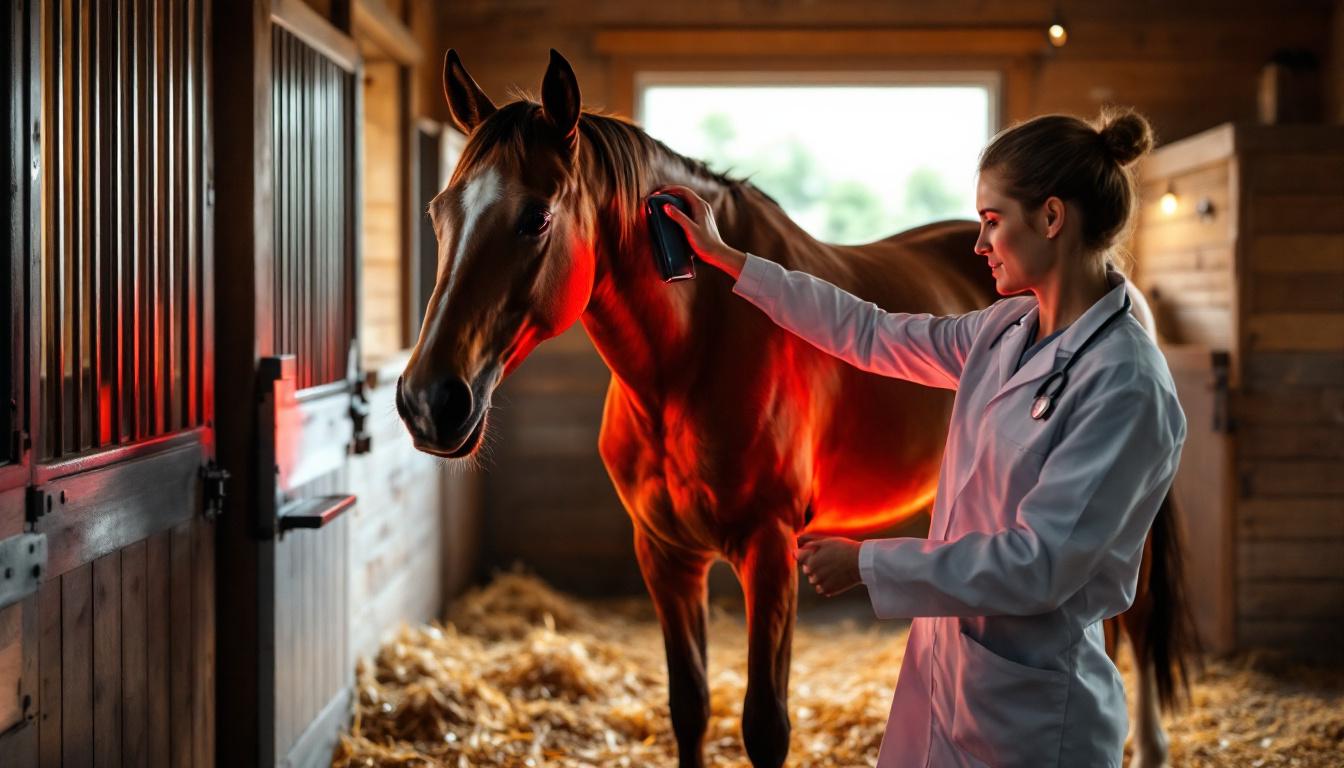
The mare had been struggling with a tendon injury for three months. Stall rest, cold hosing, supportive wrapping. The standard protocol. Her owner, a competitive trail rider in Kentucky, had done everything right. But progress was slow. A friend who ran a veterinary rehabilitation clinic suggested adding photobiomodulation sessions. The owner was skeptical. "Red light therapy for a horse? That sounds like something you'd see on late-night TV."
She tried it anyway. Six weeks later, her vet noted improved tendon architecture on ultrasound. The mare was back in light work.
Stories like this are increasingly common in equine circles. Photobiomodulation, which most people know as red light therapy, has been working its way from human clinics into veterinary practices for over a decade. And in the horse world specifically, where soft tissue injuries, joint degeneration, and performance recovery are constant challenges, it's found a receptive audience.
But does the science hold up? What conditions actually respond? And what does a horse owner actually need to know to use this safely at home?
This guide covers all of it.
How red light therapy works in horses
The biological mechanism is identical to what happens in humans and other mammals. That's the key insight, and it makes the research directly relevant across species.
Red light therapy, technically called photobiomodulation (PBM), works by delivering photons at specific wavelengths into biological tissue. Those photons penetrate skin, muscle, and connective tissue and interact with photoreceptors inside cells. The primary target is the mitochondria, the organelles that power cellular function.
Inside the inner mitochondrial membrane sits an enzyme called cytochrome c oxidase (CCO). This enzyme is the terminal electron acceptor in the cellular respiration chain, and it has an unusual property: it absorbs photons in the red and near-infrared spectrum. When it does, it uses that energy to accelerate ATP production.
ATP is adenosine triphosphate, the universal cellular energy currency. More ATP means cells have more capacity to do repair work. Inflammatory signals are cleared faster. Damaged proteins are replaced. New collagen is synthesized. Nerve signals are modulated. The whole healing cascade runs more efficiently.
In horses, this works exactly the same way as in humans, dogs, or any other mammal. The mitochondrial biology is conserved across species. Cytochrome c oxidase in your horse's stifle responds to the same wavelengths as the same enzyme in your own knee. The photons don't discriminate.
Beyond the mitochondrial effect, PBM also triggers several downstream effects that matter clinically in horses:
Nitric oxide release. In damaged or stressed tissue, nitric oxide becomes bound to CCO, inhibiting it. Red and near-infrared light displaces this nitric oxide, which then diffuses into surrounding tissue and acts as a vasodilator. This improves local circulation and oxygen delivery to the treated area. For a horse with a chronically tight or inflamed soft tissue region, this matters a lot.
Reactive oxygen species regulation. At therapeutic doses, PBM creates a brief, controlled increase in reactive oxygen species (ROS) that functions as a signaling event. This activates transcription factors including NF-kB (in the anti-inflammatory direction) and Nrf2 (a master regulator of antioxidant defense). The net effect is reduced chronic inflammation.
Growth factor upregulation. Multiple growth factors involved in tissue repair, including vascular endothelial growth factor (VEGF), fibroblast growth factor (FGF), and transforming growth factor beta (TGF-β), are upregulated following photobiomodulation treatment. These drive fibroblast proliferation (cells that lay down new collagen), angiogenesis (new blood vessel formation), and tissue remodeling.
Pain modulation. Red and near-infrared light changes the electrical activity of pain-conducting neurons. Specifically, it affects the opening kinetics of sodium and potassium channels in sensory nerve fibers, reducing their excitability. This isn't pain masking. The underlying nociceptive neurons genuinely become less active.
For horse owners, this translates to one practical takeaway: the same devices and wavelengths you'd use on your own shoulder or knee can, with appropriate adjustments for equine anatomy and coat, deliver therapeutic benefit to your horse.
Coat color and hair density: the main variable
Here's where equine application differs meaningfully from human application. Horses have hair coats that vary dramatically in color, density, and thickness. These variables affect how much light actually reaches skin.
Light is absorbed and scattered by hair before it reaches skin. Dark pigment (melanin) absorbs more light than light pigment. A black-coated horse will absorb more light in the coat itself than a gray or cremello. This reduces the dose that actually penetrates to skin and underlying tissue.
Similarly, a thick winter coat presents a longer optical path than a slick summer coat. Clipping the hair over the treatment area eliminates this variable entirely. Most veterinary rehabilitation clinics that use PBM routinely clip treatment zones on horses, particularly for tendon and joint work. At home, if you're not clipping, you'll need to either increase treatment time or part the coat to get the device in direct contact with skin.
Near-infrared wavelengths (810-850nm) penetrate deeper than red wavelengths (630-680nm). For deep structures like joints, deep tendons, and musculature, near-infrared is more relevant. For surface issues like wounds and skin conditions, red wavelengths do most of the work.
Conditions that respond to equine red light therapy
Not everything responds equally. But there's a well-defined set of conditions where equine photobiomodulation has the best evidence and clinical track record.
Soft tissue injuries: tendons and ligaments
This is probably the most common use case in performance horses. Superficial digital flexor tendon (SDFT) injuries, deep digital flexor tendon (DDFT) injuries, suspensory ligament desmitis. These injuries are the bane of trainers and riders. They heal slowly, they recur, and standard treatment (rest, cold therapy, controlled rehabilitation) is often the only option.
PBM adds to this toolkit by accelerating the healing cascade at the tissue level. Fibroblast activity, which governs collagen production in tendons and ligaments, increases meaningfully after photobiomodulation treatment. The quality of collagen that forms during healing, specifically the ratio of organized parallel fibers to disorganized cross-linked fibers, improves with PBM compared to untreated healing. This matters because poorly organized scar tissue in a healed tendon is weaker and more likely to reinjure than properly aligned collagen.
A 2016 study in Equine Veterinary Journal examined low-level laser therapy (LLLT, essentially PBM delivered via laser rather than LED) in horses with experimentally induced superficial digital flexor tendon lesions. Treated tendons showed significantly better histological organization at 6 and 12 weeks compared to sham-treated controls. A later study using LED-based panels showed similar histological improvements.
For practical use, treatment should begin as soon as acute inflammation subsides, typically within a few days of injury. Earlier treatment risks stimulating blood flow in actively inflamed tissue, which can worsen swelling. Once the acute phase has passed, consistent treatment 5-7 times per week over 4-8 weeks is the standard approach.
Arthritis and joint pain
Osteoarthritis in horses manifests in the same joints that cause problems across species: the hocks, fetlocks, coffin joints, stifles, and lower back. In older horses, sport horses, and draft breeds, joint degeneration is nearly universal. It causes stiffness, reluctance to work, reduced stride length, and behavioral changes that owners learn to recognize.
The same pathways that make red light therapy effective for joint pain in humans apply directly. PBM reduces pro-inflammatory cytokines (particularly IL-1β and TNF-α) in synovial fluid, stimulates chondrocyte activity (the cells that maintain cartilage matrix), reduces oxidative stress in joint tissue, and provides the pain-modulatory effects on local nerve fibers.
Multiple case series from veterinary rehabilitation practices report improvements in gait quality, willingness to work, and behavioral pain indicators in horses receiving regular PBM for joint-related conditions. These aren't double-blind controlled trials, and it's worth being honest about that limitation. But the mechanism is strong, the human evidence is solid, and the veterinary clinical experience is consistent.
For arthritis management in horses, PBM is best used as part of a comprehensive approach alongside appropriate exercise management, joint supplementation, and veterinary oversight. It's not a replacement for joint injections in severe cases, but it can meaningfully extend the intervals between injections and reduce reliance on systemic NSAIDs.
Laminitis
Laminitis is one of the most painful and potentially career-ending conditions in horses. It involves inflammation of the laminar tissue, the interlocking structures that connect the coffin bone to the hoof wall. In severe cases, the coffin bone rotates or sinks, causing permanent structural damage.
The application of PBM to laminitis is more nuanced than other conditions. In the acute phase of laminitis, when inflammation is maximal, increasing blood flow with PBM could theoretically worsen the situation. Most equine PBM practitioners wait until the acute phase is resolved and the horse is in the chronic or rehabilitation phase before starting treatment.
In the subacute and chronic phases, PBM has shown benefit in some clinical reports. The mechanism would be reducing residual inflammation in laminar tissue, improving circulation to damaged tissue, and supporting tissue remodeling as the horse recovers. Some practitioners use it specifically around the coronary band to support healthy hoof wall regrowth following laminitic episodes.
This is an area where close coordination with your veterinarian is particularly important. Laminitis management is complex, and PBM should be part of a supervised plan, not a home experiment.
Wound healing
The evidence for PBM in wound healing is among the most robust in the entire field. Red wavelengths around 630-660nm have been studied extensively for wound healing across multiple animal models including horses.
In horses specifically, wounds present unique challenges. Horses are prone to exuberant granulation tissue ("proud flesh"), which can delay healing and reduce functional outcomes. Lower limb wounds in horses heal more slowly than upper body wounds due to reduced blood supply and constant movement. PBM addresses both problems: it reduces the inflammatory drive that promotes exuberant granulation, accelerates collagen organization in healing tissue, and improves local circulation.
A 2014 study in Lasers in Surgery and Medicine found that horses with lower limb wounds treated with PBM showed faster wound contraction, less exuberant granulation tissue, and better cosmetic outcomes than untreated controls. The treated wounds were smaller at all time points and healed with more normal skin architecture.
For horse owners dealing with wound management, a home PBM device can be a genuinely valuable addition to standard wound care. Apply after cleaning and before bandaging, targeting the wound margins and surrounding tissue. The light should reach the wound edges, where active tissue remodeling is happening.
Back pain and muscle conditions
Back pain in horses is often underdiagnosed. Horses communicate discomfort through behavioral changes, resistance under saddle, stiffness in transitions, and reduced athletic performance. These signs are easy to attribute to training issues or attitude when the underlying cause is musculoskeletal.
PBM over the thoracolumbar region can reduce paraspinal muscle tension, improve local circulation, and address the myofascial pain that contributes to back dysfunction in horses. Multiple equine physiotherapy practitioners include PBM in their back rehabilitation protocols.
Muscle soreness following intense work, competition, or after long periods of stall rest responds similarly to what we see in human and canine applications. The same mechanisms that support muscle recovery in human athletes apply to horses.
Post-surgical recovery
Equine surgery, whether colic surgery, orthopedic procedures, or wound repair, involves significant tissue trauma. Post-surgical inflammation, pain, and healing time are major factors in outcome and recovery quality.
Veterinary surgeons and rehabilitation clinicians increasingly incorporate PBM into post-operative care for horses. The goals are the same as in canine or human surgical recovery: reduce inflammation faster, accelerate wound healing, decrease analgesic requirements, and improve tissue remodeling quality.
For horse owners managing post-operative recovery at home, PBM can extend the work started in the clinic between veterinary visits. Always confirm with your veterinarian before starting home PBM treatment following surgery.
Neurological conditions and nerve pain
Some horses develop nerve-related pain from spinal conditions, trauma, or compression. Equine protozoal myeloencephalitis (EPM) is a neurological disease that affects muscle tone and coordination. Back problems can cause nerve compression that creates atypical movement patterns.
Similar to how red light helps peripheral neuropathy in humans, PBM can reduce pain signaling in affected neural tissue. The effects on sodium channel activity in sensory nerves are not species-specific. For horses with residual neurological pain following treated conditions, PBM can be a useful adjunct.
The research base: what does the science actually say?
Let's be transparent about where the evidence stands. Equine PBM research is smaller in volume than human research. Many studies are case series or observational reports rather than large randomized controlled trials. But the evidence that exists is directionally consistent and mechanistically coherent.
Animal studies foundational to the field. Much of the original photobiomodulation research was done in animal models. Rodent wound healing studies, rabbit tendon studies, and canine osteoarthritis models established the core mechanisms in the 1980s through 2000s. These animal findings drove human clinical applications. Now the wheel has turned, and horse owners benefit from decades of cross-species mechanistic understanding.
Laser vs. LED research. Most equine PBM studies were done with therapeutic laser (Class IV or Class IIIb). Modern LED-based panels deliver the same wavelengths at similar or greater power densities, but at lower cost. The mechanism is the same regardless of whether a laser or an LED delivers the photons, but it's worth noting that most home devices are LED-based.
Veterinary consensus. The American Association of Equine Practitioners (AAEP) and major equine rehabilitation organizations recognize photobiomodulation as a legitimate modality. This doesn't mean it's standard of care for every condition, but it does mean it's not fringe science. Professional equine veterinarians use it. Equine rehabilitation centers routinely include it in treatment protocols.
What remains uncertain. Optimal dosing for specific conditions in horses hasn't been precisely established. The research that exists uses variable parameters, making cross-study comparison difficult. The horse's coat represents a dose variable that isn't present in human studies. These limitations are real, and they're why working with an equine veterinarian familiar with PBM is valuable, especially when treating specific injuries.
Wavelengths that matter for horses
The two therapeutic windows in photobiomodulation are the same for horses as for any mammal:
Red light: 630-680nm. Penetrates to approximately 1 centimeter from skin surface. Best for superficial tissue: skin wounds, surface infections, muscle and fascia near the surface, joints with shallow overlying tissue. The classic wavelengths in this window are 630nm, 650nm, and 660nm. The 660nm wavelength has the most research backing in wound and skin applications.
Near-infrared: 810-870nm. Penetrates 2-3+ centimeters from skin surface. Best for deep tissue: tendons and ligaments, deep joint spaces (fetlock, hock, stifle), deeper musculature, and spinal structures. The most-researched wavelengths here are 810nm, 830nm, and 850nm. Near-infrared is usually the dominant wavelength for equine musculoskeletal applications.
What about other wavelengths? Some devices marketed for horses include 940nm, 980nm, or even longer infrared wavelengths. Beyond 900nm, the biological evidence is much weaker. Water in tissue absorbs these longer wavelengths efficiently, which converts them to heat rather than driving the photochemical mechanisms of PBM. A device emitting 940nm is doing something closer to warmth therapy than photobiomodulation.
The safest approach is to look for devices that specifically include 660nm and/or 810-850nm output. These wavelengths are in the photobiomodulation sweet spot, and any device serious about equine therapeutic application should have them.
Types of devices for horses
The equine PBM device market has expanded significantly over the past five years. You'll encounter several categories:
Therapeutic laser (professional use)
Class IV and Class IIIb therapeutic lasers are used by equine veterinarians and rehabilitation centers. These emit high-power coherent light that can deliver high doses quickly to deep tissue. They require trained operators and eye protection for both horse and handler. They're not home devices, but understanding them helps contextualize what home devices can and can't do.
Professional laser treatment typically runs $50-200 per session at equine rehabilitation centers. For horses with serious injuries or chronic conditions, this can add up quickly. Home PBM devices can cost-effectively extend professional treatment between clinic visits.
LED panels and pads
LED-based devices have democratized equine PBM. A quality LED panel designed for large animal use can deliver therapeutic doses to large body areas more efficiently than handheld devices, and at a fraction of the cost of professional laser sessions.
Look for panels with:
- 660nm LEDs (red) and 830-850nm LEDs (near-infrared)
- Total power output of at least 100-200mW across the treatment area
- Irradiance of 10-100mW/cm² at treatment distance
- Panel size appropriate for equine anatomy (at least 8x8 inches for joint areas, larger for back and hindquarters)
Some equine-specific products come as flexible pads that conform to the horse's body, making them easier to position on limbs, back, or other curved surfaces. These are useful for leg wrapping applications.
Handheld devices
Handheld units work well for targeted treatment of joints, specific wounds, or localized soft tissue injuries. They're more flexible than panels for precise placement, though they cover less area per session. Many equine practitioners use handheld units for joint injections sites, specific wound edges, and acupuncture point stimulation.
A quality handheld unit for horses should have similar specifications to one you'd use on yourself, but with enough power output to penetrate through hair coat. Higher irradiance (mW/cm²) matters more for penetration than total power.
Equine blankets and wraps
Purpose-built equine LED blankets and leg wraps are available. These cover large body areas simultaneously and are useful for systemic recovery treatment, back and hindquarters, or full-leg wrap applications. The convenience is high, but verify that the embedded LEDs actually emit therapeutic wavelengths rather than being decorative light sources.
Some products in this category have questionable specifications. Check for published wavelength data (660nm, 850nm) and irradiance values before purchasing.
How to use red light therapy on your horse
This is where the details matter. Getting the technique right is the difference between therapeutic benefit and wasted time.
Treatment time and dose
The therapeutic window in PBM is real. Too little light and you don't get an effect. Too much and you can paradoxically inhibit healing through excessive ROS production. The key metric is joules per cm², the dose of light energy delivered per unit area.
For soft tissue in horses, typical therapeutic doses range from 4-8 J/cm² for superficial conditions and up to 20 J/cm² for deeper tissue work. With a home LED device, achieving these doses requires longer treatment times than professional lasers, which is fine. The mechanism doesn't care about speed of delivery, only total dose.
Practical time guidelines:
- Surface wounds: 2-5 minutes per area
- Joint treatment (fetlock, hock): 5-10 minutes per joint
- Deep tendon/ligament work: 10-15 minutes per area
- Back and hindquarters: 10-20 minutes per zone
These are starting points. Adjust based on your device's output, coat color and density, and observed response.
Frequency
For active injuries, 5-7 sessions per week during the acute healing phase is standard. Once the injury is stabilized and transitioning to chronic management or maintenance, 3-4 sessions per week is typically enough. For ongoing maintenance of healthy horses in hard work, 2-3 times per week can support recovery and performance.
This parallels how long to do red light therapy in human applications: consistent frequent treatment during active healing, tapering to maintenance as the condition resolves.
Distance and contact
For home LED panels, the treatment distance affects dose delivered. Most panels have rated irradiance at a specific distance (typically 0 or 1 inch). In horses, getting the device close to skin is important. Either place the panel in contact with the coat, or part the hair to get direct skin contact.
For deep tissue targets like the suspensory ligament or coffin joint, zeroing the distance (direct contact) is especially important. A few inches of air gap significantly reduces dose for near-infrared frequencies.
Treatment workflow
Step 1: Clip or part the coat over the treatment area if possible. At minimum, brush out any heavy mud or debris. Clean wounds before treatment.
Step 2: Position the device. For joint work, place directly over the joint space. For tendon work, target both the medial and lateral aspects of the tendon. For wounds, position over wound margins and surrounding tissue.
Step 3: Maintain contact or minimal distance for the full treatment time. Horses usually tolerate PBM well once they understand it doesn't hurt. Many horses become visibly relaxed during sessions. Some show clear signs of enjoyment.
Step 4: Work systematically. Don't skip to the next area before completing the session time. Inconsistent application is the main reason home PBM underperforms.
What to watch for
Most horses tolerate PBM well, but a few things to watch:
Heat. The device itself may warm slightly during use. The tissue shouldn't feel hot. If your horse pulls away or shows signs of discomfort, check that the device isn't overheating.
Eye safety. Both horse and handler should avoid direct eye exposure to PBM light. Cover or turn the device away from the eyes during treatment. Most equine-specific devices come with eye protection recommendations for handlers. The horse's eyes can be covered with a simple cloth if you're working near the head.
Behavioral response. A horse that becomes increasingly agitated during treatment might be in more pain than expected, or the treatment might not be appropriate for the condition. Stop and consult your vet.
Response to treatment. Watch for improvement over 2-4 weeks of consistent treatment. If there's no change at all by week 4, it's worth reassessing whether PBM is the right tool for that specific condition.
How long before you see results?
This question comes up constantly, and the honest answer requires nuance.
Wound healing: The fastest responder. Horse owners often notice accelerated wound closure within the first 1-2 weeks compared to wounds of similar size and location treated without PBM. Reduced proud flesh formation is often noticeable within 2-3 weeks.
Muscle soreness: Relatively fast. Horses in active work who receive post-competition or post-hard training PBM often show improved recovery within days to a week.
Joint conditions: Slower. You're working against months or years of accumulated joint deterioration. Expect 4-8 weeks of consistent treatment before clear improvement in gait quality and willingness. Some horses respond faster; some take longer. Behavioral markers often change before owners can see movement quality differences.
Tendon and ligament injuries: Variable, and closely tied to injury severity. Minor soft tissue strain may respond within 4-6 weeks. More serious tears or desmitis involving the suspensory branches can take 3-6 months of combined management, with PBM being one component. Don't expect PBM to be a shortcut around the biology of tendon healing. It accelerates the process, but it doesn't skip it.
Back pain: Often 3-6 weeks before riders notice consistent improvement under saddle. Horses that were resistant in certain movements or showed clear tension in transitions often soften noticeably as treatment progresses.
The pattern with can you do too much red light therapy considerations applies equally to horses: more treatment is not always better. Stick to the dose guidelines above. If you're doing every session correctly and still not seeing improvement after 8 weeks, the diagnosis may need revisiting rather than the PBM dose increasing.
PBM and competition horses: rules and timing
Competitive riders should check the rules of their governing body before using PBM close to competition. Most organizations classify PBM as a therapeutic modality rather than a prohibited substance (since it doesn't introduce any substance into the horse). But some organizations have rules about passive warming or therapeutic treatment timing relative to competition.
FEI (Fédération Equestre Internationale) rules do not prohibit PBM at the time of writing, but guidance changes. The British Horseracing Authority (BHA) and state racing commissions each have their own rules on therapeutic modalities. When in doubt, contact your governing body directly.
Practically, using PBM for recovery in the days following competition or heavy work is clearly beneficial and unambiguously appropriate. Treatment on competition day, while likely not prohibited, may be better reserved for the pre-competition lead-in weeks rather than the day of.
Comparing equine PBM to other modalities
Horse owners typically use photobiomodulation alongside, not instead of, other therapies. Here's how it fits in the toolkit:
PBM vs. ultrasound therapy. Therapeutic ultrasound generates mechanical vibration in tissue and is useful for deep tissue, particularly breaking down calcified deposits and promoting tissue extensibility. PBM works through photochemistry and is better suited to the cellular healing cascade. They're complementary, not competing.
PBM vs. magnetic therapy. Pulsed electromagnetic field therapy (PEMF) works through different physics. There's a modest evidence base for PEMF in horses too. Many rehabilitation practitioners use both. PBM has stronger mechanistic evidence at the cellular level; PEMF has different proposed mechanisms. Using them together is common in professional practice.
PBM vs. cold hosing/ice therapy. Cold therapy in the acute injury phase reduces blood flow to limit swelling. PBM in the post-acute phase promotes blood flow to drive healing. These are complementary temporally, not simultaneous. Cold first, PBM after acute inflammation resolves.
PBM vs. joint injections. For horses with advanced joint disease, injections (corticosteroids, hyaluronic acid, or biologic products like PRP or IRAP) provide relief that PBM alone can't match. But PBM can meaningfully extend the interval between injections and reduce cumulative steroid exposure, which matters for long-term joint health.
Choosing a device: what to look for
The equine PBM market includes devices that range from genuinely therapeutic to expensive lights with no clinical value. Here's how to evaluate them:
Non-negotiable specs:
- Published wavelength output at 660nm (red) AND 810-850nm (near-infrared)
- Irradiance data at specific treatment distances (mW/cm²)
- Total optical power output
Red flags:
- Devices that only disclose wattage without irradiance data
- Claims of "infrared" without specifying the wavelength (could be far infrared heat, not near-infrared PBM)
- Very cheap devices under $100 that claim the same specs as $400+ units
- No warranty or support
Practical considerations for horses:
- Panel size appropriate for equine anatomy (larger panels cover back, hindquarters efficiently)
- Durability for barn environments (dust, moisture, being knocked over)
- Flexible or rigid construction depending on your use case
- Ease of positioning on limbs, joints, and back
Many human-use devices work equally well on horses. A quality 12x6 inch LED panel marketed for human use will deliver the same wavelengths with the same efficacy on equine tissue. The main adjustments are treatment time (longer to penetrate through coat) and placement (wider anatomy).
Cost should be considered alongside value. A device priced at $300-600 from a reputable manufacturer with transparent specs is likely to deliver genuine therapeutic benefit. Devices in the $50-100 range with vague specs are more likely to be LED nightlights than therapeutic devices.
Working with your equine veterinarian
This bears emphasis. Photobiomodulation is not a replacement for veterinary care. It's an adjunct.
For tendon injuries, get an ultrasound to characterize the injury before starting treatment. Know what you're working with. Treatment protocols differ based on whether you're dealing with a core lesion, peritendinous adhesions, or a suspensory branch injury.
For joint conditions, rule out infectious causes of joint swelling before treating. PBM on a septic joint is not appropriate. Know the diagnosis.
For laminitis, work with your vet on timing. The line between acute and subacute phases matters clinically.
Most equine vets who've worked with PBM are supportive of informed home use once a diagnosis is established. They'd rather have clients doing consistent home treatment between professional sessions than doing nothing between expensive clinic visits. Bring your device to a vet visit and ask for guidance on technique for your horse's specific condition.
Similar to how dog owners use red light therapy for dogs as a complement to veterinary care, equine PBM is most effective when integrated into a supervised therapeutic plan.
FAQ: equine red light therapy
Does red light therapy actually work for horses?
Yes, the evidence supports it for specific conditions. The biological mechanism (photobiomodulation through mitochondrial photon absorption) is identical in horses and humans. Research in equine subjects and extrapolation from the broader PBM literature supports use for soft tissue injuries, wound healing, joint conditions, and muscle recovery. The evidence is strongest for wounds and tendon/ligament applications.
What conditions in horses respond best to PBM?
Superficial wounds, soft tissue injuries (tendon and ligament), arthritis and joint pain, post-surgical healing, muscle soreness, and back pain all have reasonable supporting evidence or strong mechanistic rationale. Laminitis in the subacute phase is increasingly used but requires veterinary oversight.
Can I use my human red light therapy device on my horse?
Yes, if it emits the right wavelengths (660nm and/or 810-850nm) and has adequate power output. Adjust treatment time upward to account for hair coat absorption. Direct contact or coat parting improves dose delivery.
How long should each session be for horses?
This depends on the device's output and the target tissue. Joint treatment typically requires 5-15 minutes per joint. Tendon work 10-15 minutes per aspect. Wound treatment 2-5 minutes per wound. Back and hindquarters 10-20 minutes per zone.
How often should I treat my horse?
For active injuries, 5-7 times per week during the healing phase. For chronic management, 3-4 times per week. For maintenance in hard-working horses, 2-3 times weekly. Consistency matters more than intensity.
Is red light therapy safe for horses?
Yes, when used appropriately. The risk profile is low. The main precautions are eye protection for horse and handler, not treating in the acute phase of laminitis, and not using over malignant tumors or infected joint spaces. Following manufacturer guidelines for device exposure times is standard practice.
Can I use PBM immediately after an acute tendon injury?
It's better to wait 48-72 hours while acute inflammation is maximal. Cold therapy is more appropriate in the first 1-3 days. Once acute swelling is subsiding, PBM can begin.
Will my competition rules allow PBM?
Most equine sport organizations permit photobiomodulation as a therapeutic modality. FEI rules do not currently prohibit it. Check with your specific governing body if you're competing at recognized levels, as rules vary by discipline and organization.
How soon will I see results?
Wounds and muscle recovery respond fastest (1-2 weeks). Joint and chronic soft tissue conditions typically take 4-8 weeks. Serious tendon injuries are a 3-6 month rehabilitation, with PBM as one component. Consistent treatment is essential for meaningful outcomes.
What's the difference between equine PBM and human PBM?
The mechanism and wavelengths are identical. The practical differences are hair coat penetration (requires closer application or longer sessions), the larger body surface area of horses (requiring either larger panels or more session zones), and the fact that horses can't tell you what they feel, requiring careful behavioral observation to assess response.
Helpful resources
Understanding the science behind photobiomodulation helps you make better treatment decisions for your horse:
- Red light therapy for joint pain: Deep dive into how PBM addresses joint inflammation and arthritis, with mechanisms directly applicable to equine joints
- Red light therapy for tendonitis: Detailed look at how PBM supports tendon healing, including the collagen remodeling process
- How long to do red light therapy: Dosing principles that apply across species
Related guides
- Red light therapy for dogs: The companion guide for canine photobiomodulation, covering the same mechanisms in dogs
- Red light panel vs mask: Understanding the difference between panel and targeted devices, relevant for equine device selection
- Red light therapy for feet: Lower limb applications in humans that share relevant anatomy with equine lower leg work
External resources
- American Association of Equine Practitioners (AAEP): aaep.org - practitioner guidelines including rehabilitation modalities
- Veterinary Evidence journal: veterinaryevidence.org - peer-reviewed equine research
- World Association for Laser Therapy (WALT): walt.nu - PBM dosing recommendations
The trail rider in Kentucky got her mare back to work. Not because red light therapy is magic, but because she applied it consistently, at the right dose, at the right stage of healing, as part of a supervised rehabilitation plan.
That's how it works. Not as a shortcut around biology. Not as a cure for conditions that need surgery or proper diagnostics. But as a genuine therapeutic tool that accelerates the cellular processes your horse's body is already trying to run.
Horses have been carrying us across fields, fences, and finish lines for thousands of years. Giving them every tool available to recover, perform, and stay healthy is the least we can do.