Can red light therapy regrow gums? What the science says
Red light therapy shows real promise for gum health. Discover the science behind photobiomodulation for gum tissue, the best wavelengths, and what results are realistic.
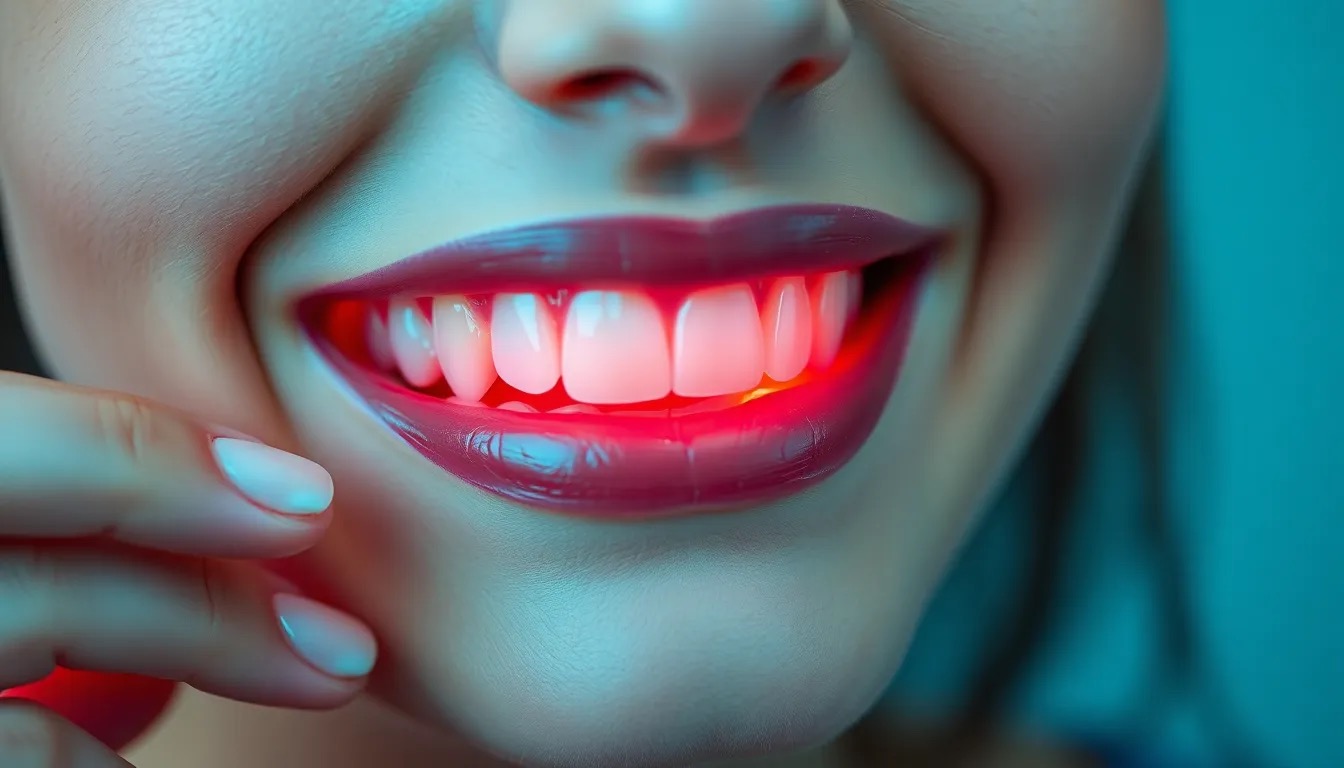
Your dentist tells you your gums are receding. You nod, schedule another cleaning, maybe get a referral to a periodontist who mentions a gum graft. Then you go home and type "can red light therapy regrow gums" into your search bar at 11pm.
You're not alone. Gum recession is one of the more frustrating things a body can do, quietly, irreversibly, and usually without much pain until it's already progressed. Traditional options are expensive, invasive, or both. So people look for alternatives. And red light therapy keeps coming up.
Here's the honest answer: red light therapy can't regrow gums that have already receded significantly. But that's only half the story, and the other half is more interesting than most people realize. What photobiomodulation can do for gum tissue, gum health, and the underlying biology of periodontal disease is genuinely supported by research. And for the right person, in the right situation, it might be the most useful tool they're not using.
This guide covers everything: the science of how red light interacts with gum tissue, what clinical studies actually show, which wavelengths matter, what devices exist for oral use, and how to set realistic expectations. SeekRedLight pulled together the relevant research so you don't have to dig through PubMed for hours.
What gum recession actually is and why regrowth is complicated
Gum recession happens when gum tissue pulls back from the teeth, exposing more of the tooth surface and sometimes the root. It's common. Studies suggest 50% or more of adults over 30 show some degree of recession. And unlike some tissues in the body, gum tissue doesn't automatically regenerate once it's lost.
The reason comes down to biology. Your gums are made of a specialized tissue called the gingiva, which includes epithelial cells on the surface and connective tissue underneath (the lamina propria) containing fibroblasts, blood vessels, and nerve endings. This tissue is tightly attached to underlying bone and doesn't have the same regenerative capacity as, say, skin or muscle.
When gum tissue recedes significantly, the cells and structures needed to rebuild that architecture are simply no longer present in sufficient numbers. Conventional dentistry acknowledges this: the standard treatment for significant recession is a connective tissue graft, where tissue is transplanted from the palate (roof of the mouth) to the receded area. It works, but it's surgery, it costs $600-3,000 per tooth, and it requires a recovery period most people find uncomfortable.
What can potentially slow recession, improve the health of remaining tissue, and support the biology of gum repair? That's where red light therapy enters the conversation.
The key distinction matters here. There's a difference between:
- Regrowing gums that have already significantly receded: Very difficult, even with interventions
- Reducing inflammation and improving the health of current gum tissue: Well within the reach of photobiomodulation
- Supporting healing after dental procedures or grafts: Strong evidence base exists here
- Slowing or halting the progression of recession: Plausible, especially when recession is driven by inflammation
Understanding where on this spectrum your situation falls changes how useful red light therapy will be for you.
The science of photobiomodulation and gum tissue
Photobiomodulation (PBM), the scientific term for what most people call red light therapy, works by delivering specific wavelengths of light to tissue where they interact with light-sensitive molecules called chromophores. The primary chromophore in most tissues is cytochrome c oxidase, an enzyme in the mitochondrial respiratory chain.
When red or near-infrared light hits cytochrome c oxidase, it increases the enzyme's activity. This leads to a cascade of cellular effects: more ATP production (the cell's energy currency), changes in reactive oxygen species signaling, activation of various transcription factors, and ultimately increased cellular activity and repair processes.
In gum tissue specifically, this matters for several reasons.
Fibroblast activation. Gingival fibroblasts are the cells primarily responsible for producing collagen and other extracellular matrix proteins in your gums. Multiple studies have shown that red light at wavelengths between 630-660nm significantly increases fibroblast proliferation and collagen synthesis. A 2019 study published in the journal Photobiomodulation, Photomedicine, and Laser Surgery found that 660nm red light increased human gingival fibroblast viability and migration rates by 40% compared to controls.
Anti-inflammatory effects. Periodontal disease is fundamentally an inflammatory condition. Bacteria in the gum pocket trigger an immune response, which leads to chronic inflammation that destroys gum and bone tissue over time. Red light therapy consistently shows anti-inflammatory effects across tissue types, reducing pro-inflammatory cytokines like TNF-alpha, IL-1beta, and IL-6. For gum tissue specifically, this matters because reducing that inflammatory load can halt the destruction that drives recession.
Increased blood flow and angiogenesis. Red light promotes vasodilation (widening of blood vessels) and the formation of new capillaries. Better blood flow to gum tissue means more oxygen, more nutrients, more immune cells, and faster removal of metabolic waste. All of this creates a better environment for tissue maintenance and repair.
Antimicrobial effects. This one is less commonly discussed but worth knowing. Some research shows that certain wavelengths, particularly 405-470nm (violet-blue), have direct antimicrobial properties against oral bacteria. While pure red light therapy is primarily working through tissue effects rather than killing bacteria directly, some oral devices combine wavelengths to address both.
Put together, what red light therapy appears to do for gum tissue is create a better biological environment, more cellular activity, less inflammation, better circulation, more collagen synthesis. Whether that translates into visible gum regrowth depends heavily on how much tissue is already gone and what's driving the problem.
What the clinical research actually shows
The research on red light therapy for oral health is more substantial than most people realize. Dentists, periodontists, and oral surgeons have been using low-level laser therapy (LLLT, a clinical term that overlaps significantly with PBM) for decades. The devices are different (medical-grade lasers versus LED panels), but the underlying photobiology is similar.
Post-surgical healing. This is the strongest application with the most evidence. Multiple randomized controlled trials show that applying red light therapy after gum surgery, extractions, or gum grafting procedures significantly accelerates healing. A 2021 meta-analysis in Lasers in Medical Science reviewing 18 studies found that LLLT after periodontal surgery reduced pain, reduced swelling, and accelerated soft tissue healing across all studies. Effect sizes were clinically meaningful, not just statistically significant.
Periodontal pocket depth. Periodontal pockets are the spaces between teeth and gums that deepen as the disease progresses. Reducing pocket depth is a primary goal of periodontal treatment. Several studies show that adding red light therapy to standard scaling and root planing (deep cleaning) reduces pocket depth more than scaling alone. A 2020 study in the Journal of Clinical Periodontology found that patients receiving adjunct LLLT showed pocket depth reductions of 1.2-1.8mm greater than the control group at 3-month follow-up.
Gingival inflammation and bleeding. Gum inflammation (gingivitis) is assessed by looking at redness, swelling, and bleeding on probing. Multiple studies show red light therapy reduces these markers of inflammation. This makes biological sense given the well-established anti-inflammatory mechanisms of PBM.
Tissue regeneration signals. Some in vitro (cell culture) and animal studies show that red light therapy upregulates growth factors associated with tissue regeneration, including vascular endothelial growth factor (VEGF), transforming growth factor-beta (TGF-beta), and platelet-derived growth factor (PDGF). These are the same signals involved in wound healing and tissue repair. Whether this translates into measurable gum tissue regeneration in human clinical trials is less clear.
The direct regrowth question. Here's where the evidence is more limited. The studies showing measurable increases in gum tissue volume specifically from red light therapy, without accompanying surgical procedures, are fewer. What exists suggests that early-stage or mild recession may show some improvement, particularly when combined with addressing the underlying cause (usually inflammation, aggressive brushing, or bite issues). For significant recession, no non-surgical intervention, including red light therapy, has shown consistent results for actual tissue regrowth.
This is the honest scientific picture. Strong evidence for improved healing and reduced inflammation. Emerging evidence for supporting periodontal treatment. Limited evidence for reversing established recession without other intervention.
Understanding how red light therapy works at the cellular level helps set expectations: it enhances biological processes that are already there, rather than creating entirely new regenerative pathways.
Which wavelengths are most effective for gum tissue
Not all red light is created equal. The wavelength you use matters significantly for gum health.
630-660nm (visible red). This is the sweet spot for surface tissue effects. At these wavelengths, light penetrates several millimeters into tissue, reaching the gingival epithelium, fibroblasts in the connective tissue, and blood vessels in the lamina propria. Studies on gingival fibroblasts specifically show strong responses at 630-660nm. If you're targeting gum tissue inflammation, surface healing, or fibroblast activation, this range is well-supported.
810-850nm (near-infrared). Near-infrared wavelengths penetrate deeper, reaching not just the gum tissue but the underlying alveolar bone. This matters because bone loss is a feature of periodontal disease, not just gum loss. Deeper penetration means near-infrared light can potentially support the bone-gum interface and periosteal cells. Many clinical studies on LLLT for periodontitis use wavelengths in the 800-900nm range specifically for this reason.
Combined approaches. The most sophisticated oral health devices, and increasingly common clinical protocols, use both visible red and near-infrared wavelengths. Red at 630-660nm targets gum tissue directly. Near-infrared at 810-850nm reaches deeper structures. Together, they address a wider range of the relevant biology.
Power density matters. Wavelength alone isn't enough. The irradiance (power per unit area, measured in mW/cm²) and total dose (energy per unit area, measured in J/cm²) determine whether the treatment is effective. Too little and there's no effect. Too much and you risk photoinhibition, where excessive light actually suppresses cellular activity.
For oral tissues, the therapeutic window is relatively conservative. Most clinical protocols use 0.5-4 J/cm² for gum tissue. The gums are thin tissue without the insulating fat and muscle layers that allow higher doses on the body. Consumer oral devices are generally designed to stay within safe ranges by default.
Blue light for bacteria. It's worth mentioning that some oral health devices incorporate 405-470nm blue or violet light alongside red, specifically targeting oral bacteria. The mechanisms are different (photodynamic rather than photobiomodulatory), but combining bacterial reduction with tissue enhancement makes sense from a periodontal disease management perspective.
Oral red light therapy devices: what exists and what to know
The consumer market for oral light therapy devices is small but growing. Here's what's out there.
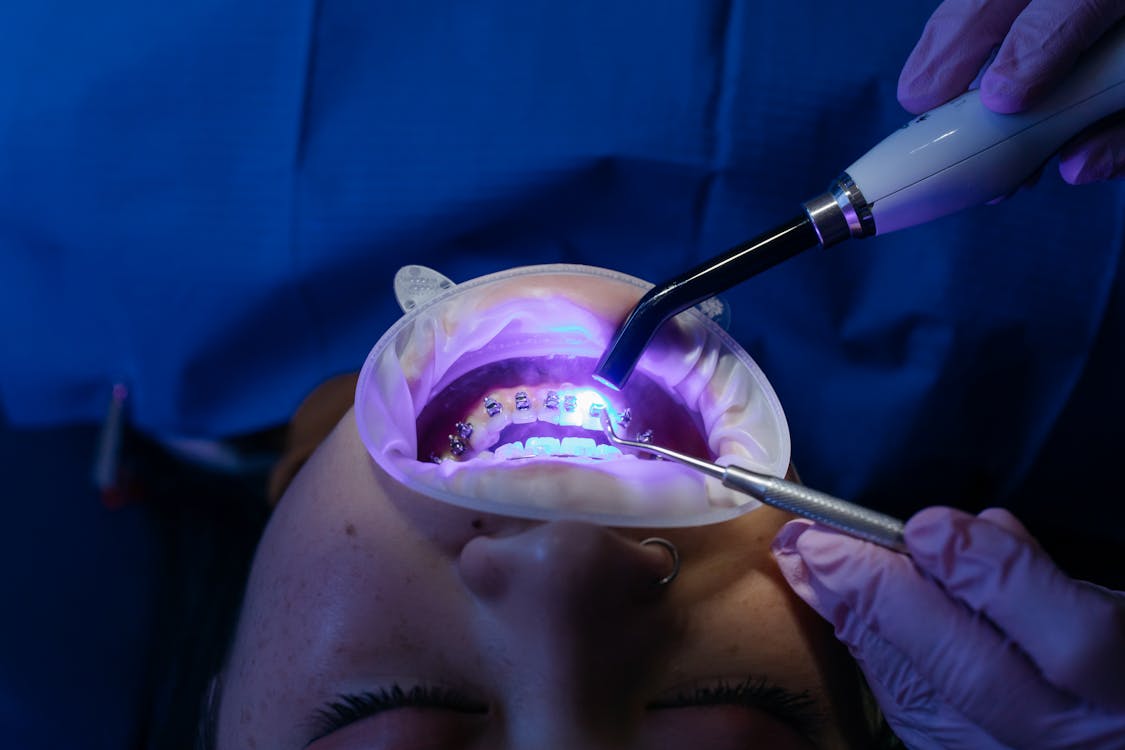
Oral mouthpiece devices. These fit in the mouth like a sports guard and illuminate gum tissue from inside. Some commercial options include the Luminance RED (designed primarily for cold sore treatment using 630nm red), various dental professional devices, and newer consumer models marketed specifically for gum health. The advantage is close proximity to gum tissue and even coverage. The disadvantage is they're more expensive and less versatile than general-purpose panels.
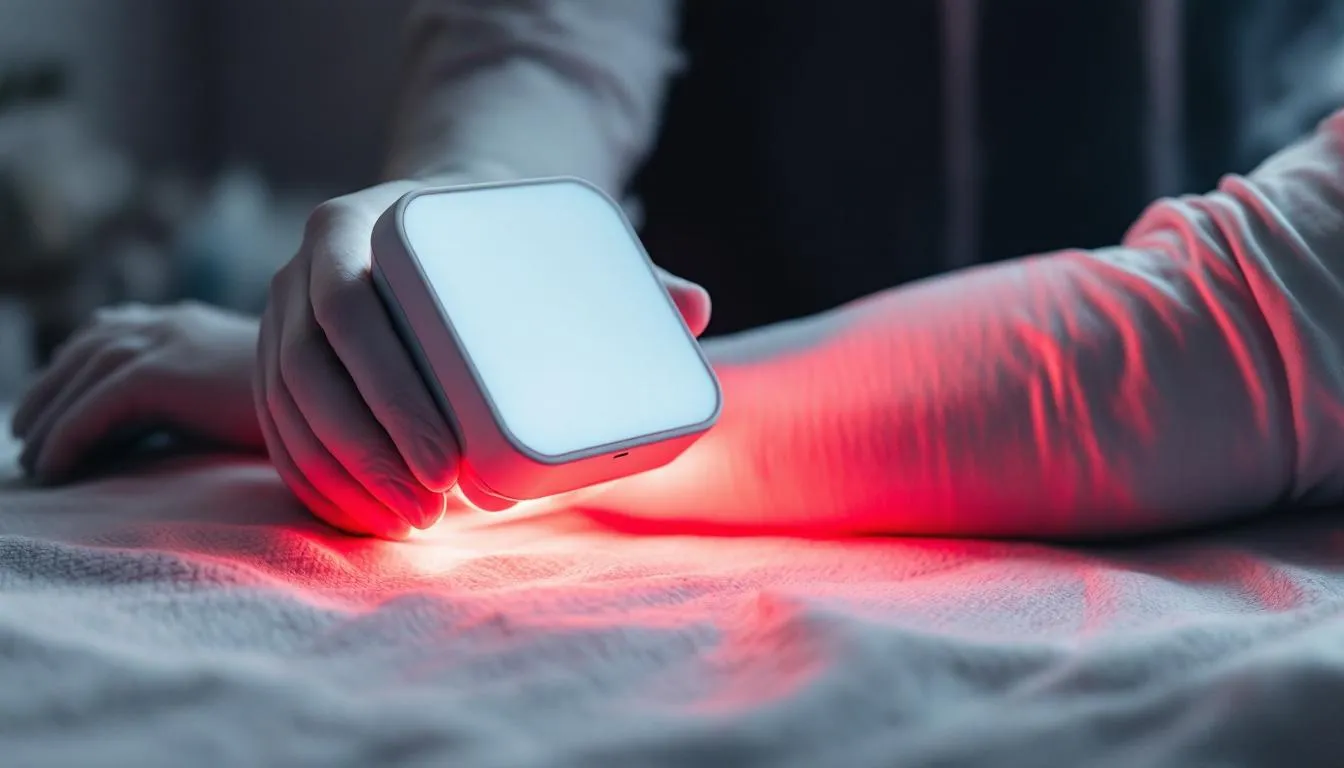
Handheld oral wands. Small handheld probes that you direct at specific areas of the gum. These allow targeted treatment of areas with more recession or inflammation. They're commonly used in dental offices but some consumer versions exist. Treatment time is longer because you're covering small areas one at a time.
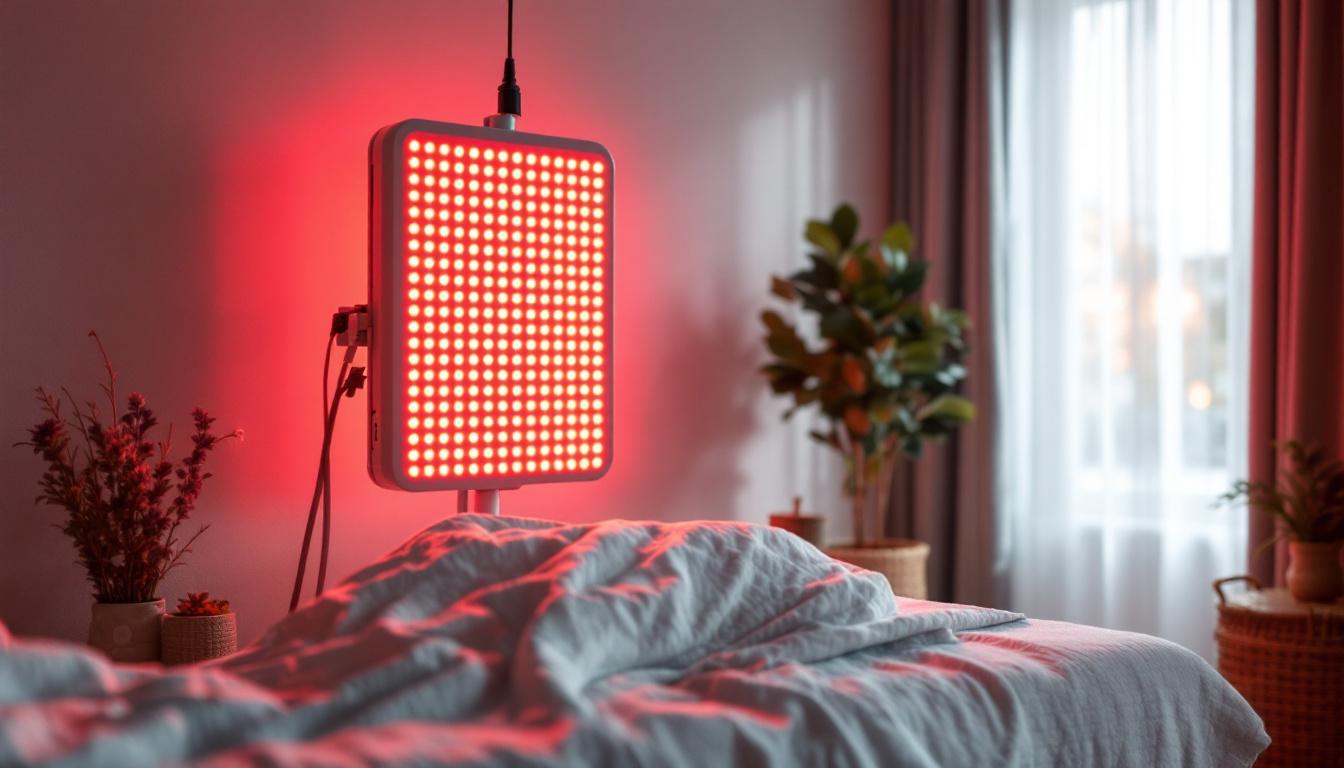
Standard red light panels directed at the face. A conventional red light therapy panel positioned close to the open mouth can deliver light to gum tissue, though the coverage and angle won't be as direct as devices designed for oral use. This is the most accessible option for people who already own a panel.
Laser devices (clinical only). Medical-grade lasers used by periodontists and dentists deliver much higher intensities and more precise targeting than LED devices. These are not home devices and not what most people asking about red light therapy are considering. They're worth mentioning because they represent the strongest clinical evidence base.
For home use, a dedicated oral LED device in the 630-660nm range, used consistently over weeks, is the most practical starting point. If you already own a red light panel, pointing it at your open mouth from 6-12 inches is worth trying as an adjunct to good oral hygiene and professional care.
The HG300 red light therapy device is one general-purpose panel that people have used for various applications. For targeted oral use, dedicated oral devices are more practical for daily sessions.
Treatment protocol for gum health
If you're going to try red light therapy for gum health, consistency and correct application matter more than any other factor. Here's what the research and clinical experience suggest.
Session duration. 3-5 minutes per area for oral devices. For panels directed at the open mouth, 5-10 minutes per session. The gums are thin tissue and don't require long session times. The evidence base for oral LLLT uses treatment times in this range.
Frequency. 3-5 sessions per week for the first 4-6 weeks. After that, maintenance at 2-3 times per week. Some studies use daily treatment during active healing phases (post-surgery), but for ongoing management, 3-5 times weekly appears sufficient.
Distance. For oral devices worn in the mouth: direct contact or near-contact. For panels directed at the face: position the panel 6-12 inches from the open mouth. Closer distances increase irradiance delivered to tissue.
Consistency. This is the variable that matters most. Sporadic treatment produces sporadic results. The cumulative biological effects of consistent light exposure build over weeks. A 2-month consistent protocol will tell you far more about whether this works for you than occasional sessions.
Positioning. For panels, open the mouth wide and tilt toward the light source. This allows better penetration to upper and lower gum tissue, both front and back. If you have specific areas of concern, you may need to adjust position during sessions.
Timing relative to brushing. Using red light therapy after gentle brushing (when gums may be slightly stimulated from brushing) is fine. Some clinicians recommend using after meals, so that food debris has been cleared and the session targets clean tissue.
What to avoid. Don't combine oral red light therapy with aggressive bleaching treatments on the same day. Don't use oral devices immediately after aggressive scaling or dental procedures without professional guidance, despite evidence that PBM supports healing post-surgery, let your dentist advise timing in those cases.
Realistic expectations: what can actually happen
Being honest about expectations is more useful than optimism here. Let's break down likely outcomes by situation.
Early gingivitis, no recession yet. This is where red light therapy has the most potential upside. If you have gum inflammation but haven't yet lost significant tissue, consistent use of red light therapy as part of a good oral hygiene routine may meaningfully reduce inflammation and improve gum health. You might see firmer, less inflamed gum tissue within 4-8 weeks. Whether this prevents future recession is the real question, and the answer is probably yes if inflammation is a primary driver of your situation.
Mild recession, 1-2mm. Some people report subjective improvement in gum appearance and reduced sensitivity with consistent use over 2-4 months. The research is mixed on whether this represents actual tissue changes or improved tissue quality and reduced inflammation making existing gums look and feel better. Realistic expectation: meaningful improvement in gum health and comfort, possible modest improvement in appearance.
Moderate to significant recession, 3mm or more. At this level, red light therapy is not a replacement for professional intervention. It can still reduce inflammation, support healing, and improve the health of remaining tissue. If you're considering or have had a gum graft, red light therapy used post-procedure has solid evidence for accelerating healing and improving outcomes. As a standalone intervention for significant recession, expectations should be modest.
Active periodontal disease. If you have active gum disease with ongoing bone loss and pocket formation, red light therapy is best viewed as an adjunct to professional treatment, not an alternative. It can reduce inflammatory burden, improve healing after scaling and root planing, and support the biology of repair. But professional periodontal management, scaling, debridement, and possibly antibiotic therapy, forms the foundation.
The timeline reality: most cell-level changes begin in the first 2-4 weeks of consistent treatment. Visible or measurable changes to gum tissue, when they occur, typically appear at 6-12 weeks of consistent use. Many of the clinical studies showing meaningful results use 3-6 month treatment periods with regular professional monitoring.
Who benefits most from red light therapy for gum health
Not everyone with gum concerns will see the same results from red light therapy. Some profiles benefit more than others.
People with chronic gum inflammation. If your gums bleed regularly, are consistently puffy or red, and you're otherwise doing good oral hygiene, the anti-inflammatory effects of red light therapy are directly relevant. Reducing inflammatory load is measurable and the evidence base here is solid.
People healing after dental procedures. Post-scaling healing, post-graft healing, post-extraction healing. The evidence for accelerated soft tissue healing with PBM is the strongest application across all oral uses. If you've had or are planning periodontal procedures, adding red light therapy to your recovery protocol has a reasonable evidence base.
People with recession driven by inflammation. Not all recession is the same. Some people lose gum tissue primarily because of inflammation destroying it. Others have mechanical recession from aggressive brushing or bite problems. If inflammation is a major driver of your recession, addressing it (including with tools like red light therapy) has more potential to halt progression than if your recession is primarily mechanical.
People looking to complement their oral hygiene routine. Red light therapy doesn't replace brushing, flossing, interdental cleaning, and regular professional cleanings. But as an additional tool used consistently, it adds biological support that passive hygiene doesn't provide.
SeekRedLight recommends reading the broader photobiomodulation evidence base to understand how the same cellular mechanisms that support gum tissue regeneration also drive results in other tissue types.
Combining red light therapy with other approaches
Red light therapy works better as part of a broader protocol than as an isolated intervention. Here's what pairs well with it for gum health.
Professional periodontal care. Scaling and root planing removes the bacterial biofilm and calculus that drive periodontal inflammation. Red light therapy used adjunctively to professional cleaning has better evidence than red light alone. The combination addresses both the source of inflammation (bacteria) and the tissue response.
Improved oral hygiene technique. Many cases of gum recession are partly driven by brushing too hard, incorrect angle, or using too-stiff bristles. Switching to a soft-bristled brush, using a technique that goes from gum to tooth rather than scrubbing sideways, and flossing properly addresses mechanical damage. Red light therapy reduces inflammation; removing the cause of damage prevents it from recurring.
Oil pulling. While the evidence is more limited, oil pulling (swishing with coconut or sesame oil for 10-20 minutes) has some support for reducing oral bacterial load and improving gum health. It doesn't conflict with red light therapy and some people incorporate both.
Vitamin C. Ascorbic acid is directly involved in collagen synthesis. Gum tissue is largely collagen. Adequate vitamin C is necessary for gingival fibroblasts to synthesize the collagen that maintains gum structure. Red light therapy can stimulate fibroblast activity, but if they're working with limited cofactors (like vitamin C), the output is limited. Some periodontists specifically recommend optimizing vitamin C intake as part of gum health management.
Coenzyme Q10. Some research, admittedly limited, suggests CoQ10 may support gingival cell function and is sometimes used in integrative approaches to periodontal disease. Combined with the mitochondrial effects of red light therapy (which also involves the same cellular machinery CoQ10 supports), there's theoretical synergy.
Probiotics. Oral microbiome disruption plays a role in periodontal disease. Some research shows that specific probiotic strains can reduce pathogenic oral bacteria and support gum health. Combining better bacterial balance with the tissue-level effects of red light therapy addresses the condition from multiple angles.
Cold laser therapy vs red light therapy is worth understanding if you're considering professional-grade treatment, as the clinical protocols periodontists use differ from consumer devices.
The difference between clinical laser therapy and home red light devices
This distinction matters and is often confused.
Clinical low-level laser therapy (LLLT) used by periodontists and dentists involves:
- Higher intensity devices (often 50-500mW, sometimes higher)
- Precise wavelength control
- Professional training in treatment parameters
- Medical-grade equipment with safety protocols
- Treatment administered in short, focused bursts to specific sites
The research base supporting LLLT for periodontal disease is largely based on these professional-grade devices.
Home red light therapy devices are:
- Lower intensity LED arrays
- Typically fixed wavelengths (often 630-660nm, sometimes with 810-850nm NIR)
- Consumer-oriented, designed for safety at home use
- Applied for longer sessions to compensate for lower intensity
- General coverage rather than site-specific
Do home devices produce meaningful effects? Yes, there's enough evidence and mechanism to say that consistent use of quality home devices can produce genuine biological effects in gum tissue. The magnitude of effect will be smaller than clinical-grade devices, and treatment times need to be longer to achieve comparable dose delivery.
The practical reality is that most people aren't going to schedule weekly dental laser sessions for gum health maintenance. A home LED device used consistently is the accessible alternative that fits into daily routines.
For context on how device specs translate to real-world effects, the article on red light therapy bulbs explains irradiance and why raw wattage numbers can be misleading.

Safety considerations for oral red light therapy
Red light therapy is generally very safe. For oral use specifically:
Eye protection. When using a panel directed at the face with mouth open, your eyes are near a bright light source. You should wear appropriate red light therapy goggles or close your eyes and keep them closed during treatment. The article on full-block red NIR light glasses has more detail on eye protection options.
Thermal considerations. The gums are sensitive tissue. Quality home devices are designed to stay within safe temperature ranges, but if you feel significant warmth or discomfort during use, increase distance or reduce session time.
Active infections. If you have an active oral infection (dental abscess, acute periodontal abscess), red light therapy is not a substitute for professional treatment. The anti-inflammatory effects of PBM could theoretically modulate symptoms without addressing the underlying infection. See a dentist first.
Cold sores. Some research suggests red light therapy can trigger cold sore activation if you have herpes labialis. If you have a history of cold sores, use oral red light devices with awareness of this possibility.
Implants and restorations. Red light therapy is generally safe around dental implants and restorations. There's no evidence it damages metals, ceramics, or polymers used in dental materials. The light is interacting with biological tissue, not dental materials.
Pregnancy. For general guidance on red light therapy during pregnancy, the article on is red light therapy safe for pregnancy covers the considerations. For oral use specifically, discuss with your dentist and OB.
Understanding do you need eye protection for red light therapy fully before starting any facial or oral red light protocol is worth the few minutes it takes.
Interpreting the research: what you should know about reading these studies
A note on critically reading the research in this area, because it helps set appropriate expectations.
Many of the strongest studies on red light therapy for oral health use clinical-grade laser devices, not consumer LED products. When a study shows that 810nm laser therapy at 100mW reduced periodontal pocket depth by 1.5mm over 12 weeks, that's meaningful. But the device used delivers different irradiance than a home LED panel.
Additionally, most studies on LLLT for periodontal disease use it as an adjunct to scaling and root planing, not as a standalone treatment. The headline "red light therapy reduces gum inflammation by X%" may actually mean "red light therapy plus professional cleaning reduces gum inflammation by X% more than professional cleaning alone."
This doesn't invalidate the research or the approach. It means the evidence is strongest for combining red light therapy with professional care, not replacing it. It also means that home users should be comparing themselves to people doing red light as part of a comprehensive approach, not people doing it instead of dental care.
How long to do red light therapy per session is a common question, and the answer varies by application. For gum health, shorter sessions used more frequently (3-5 times weekly) appears to work better than long occasional sessions.
Building a practical protocol: what to actually do
If you've decided to try red light therapy for gum health, here's a simple starting protocol:
Month one (active phase).
- 4-5 sessions per week
- 5 minutes per session (or per oral quadrant if using a targeted device)
- After brushing at night
- Use simultaneously: better brushing technique, adequate vitamin C, consistent flossing
- Track: gum bleeding on brushing, sensitivity levels, gum appearance
Month two onwards (assessment and maintenance).
- Assess changes: less bleeding? Less sensitivity? Different appearance?
- If seeing benefit: reduce to 3 sessions per week for maintenance
- If not seeing measurable benefit after 8-10 weeks: reconsider whether this is the right approach for your specific situation
Professional monitoring. Have your gums professionally assessed before starting, at 3 months in, and at 6 months. This gives you objective data (pocket depths, gum measurements, bleeding scores) rather than relying only on subjective impressions. It also ensures any underlying disease is being managed appropriately.
Document your baseline. Take photos at the same angle and lighting before you start. It's easy to lose track of subtle changes over months without a reference point.
The broader principle at SeekRedLight is that red light therapy works best as one well-understood tool in a comprehensive approach, not a miracle cure applied in isolation. Can you do too much red light therapy is a question worth reading before designing your protocol, since the concept of the Arndt-Schulz law applies to oral tissue as much as anywhere else.
The bottom line
Can red light therapy regrow gums? If you have significant recession already, the honest answer is: probably not on its own. The biology of gum tissue regeneration is complex, and no non-surgical intervention has reliably regrown significant amounts of lost gum tissue.
But that's the narrow answer to a question that deserves a broader one.
Red light therapy can reduce the chronic inflammation that destroys gum tissue. It can accelerate healing after dental procedures. It can stimulate the fibroblast activity that maintains the collagen structure of healthy gums. It can improve circulation to gum tissue and support the cellular environment needed for tissue maintenance.
For early-stage gum problems, that might be enough to see real improvement. For people managing periodontal disease, it's a meaningful adjunct to professional care. For people who've had gum surgery, the evidence for faster healing is solid.
What it isn't is a substitute for a dentist, a replacement for good oral hygiene, or a solution to significant structural gum loss that's already happened. Used well, in the right context, with appropriate expectations, it's a genuinely useful tool. That's a more useful answer than either "yes, it regrows gums" or "no, it doesn't work."
The research is real. The mechanisms are understood. The results depend enormously on where you're starting from and how consistently you apply it.
Frequently asked questions
Can red light therapy actually regrow receded gums?
Significant gum regrowth from red light therapy alone is unlikely if recession is already established. Red light therapy works by reducing inflammation, stimulating fibroblast activity, and improving the biological environment for tissue maintenance and repair. It can produce meaningful improvement in early-stage or mild recession and works well as an adjunct to professional periodontal treatment. For significant recession (3mm or more), professional evaluation and potentially gum grafting remains the primary approach.
What wavelength is best for gum health?
Research supports both 630-660nm (visible red) and 810-850nm (near-infrared) for gum tissue. Visible red wavelengths are effective for surface gum tissue and fibroblast stimulation. Near-infrared wavelengths penetrate deeper, reaching the bone-gum interface, which matters for periodontal disease affecting deeper structures. Devices combining both wavelengths are used in many clinical protocols.
How often should I use red light therapy for gum health?
Clinical studies on red light for periodontal health typically use 2-5 sessions per week. For home users, 3-5 sessions per week is a reasonable active protocol during the first 4-8 weeks, reducing to 2-3 times per week for maintenance. Consistency over weeks and months matters more than any individual session.
Is red light therapy safe for gum tissue?
Yes, at appropriate doses. Red light therapy at therapeutic intensities (typically 0.5-4 J/cm² for oral tissue) is considered safe with a strong safety record in clinical use. The key precautions for oral use are eye protection when using panels near the face, avoiding use during active dental infections without professional guidance, and being aware that cold sore history may be a consideration.
Can I use a regular red light panel for my gums, or do I need a special device?
A standard red light panel directed at the open mouth from 6-12 inches delivers meaningful light to gum tissue. Dedicated oral devices (mouthpieces or wands) provide more targeted delivery and may be more convenient for consistent daily use, but aren't strictly necessary. If you already own a quality red light panel, it's worth trying as a starting point.
How long does it take to see results from red light therapy for gums?
Cell-level changes (increased fibroblast activity, reduced inflammatory markers) begin within the first 2-4 weeks of consistent use. Visible changes to gum tissue, when they occur, typically become apparent after 6-12 weeks of consistent treatment. Most clinical studies measuring meaningful outcomes use 3-6 month treatment periods. Don't judge effectiveness from 2-3 sessions.
Does red light therapy help with gum disease (periodontitis)?
Yes, red light therapy has meaningful evidence as an adjunct to professional periodontal treatment. Studies show that adding LLLT to scaling and root planing reduces periodontal pocket depth, reduces gum inflammation, and improves healing outcomes more than scaling alone. It's best viewed as a complement to professional care, not a replacement for it.
Can red light therapy help after gum graft surgery?
This is one of the strongest applications. Multiple studies show that red light therapy applied after gum graft procedures accelerates soft tissue healing, reduces post-operative pain and swelling, and improves graft integration outcomes. If you're scheduled for or have had a gum graft, discuss with your periodontist about incorporating post-operative red light therapy.
Related guides
- Red light therapy for neuropathy
- Red light therapy for hair loss
- Cold laser therapy vs red light therapy
- Red light therapy goggles: complete guide
- Can you do too much red light therapy?
Sources
- PubMed: Photobiomodulation for periodontal disease research
- Lasers in Medical Science: LLLT and periodontal treatment meta-analysis
- Journal of Photochemistry and Photobiology: Gingival fibroblast response to red light
In case I don't see you, good afternoon, good evening, and good night. May your gums stay healthy, your inflammation stay low, and your sessions stay consistent. Explore SeekRedLight for comprehensive guides and tools to optimize your red light therapy.