Red light therapy for colds: does it actually work?
Can red light therapy help you recover from a cold faster? Here's what the science says about photobiomodulation, immune function, and upper respiratory relief.
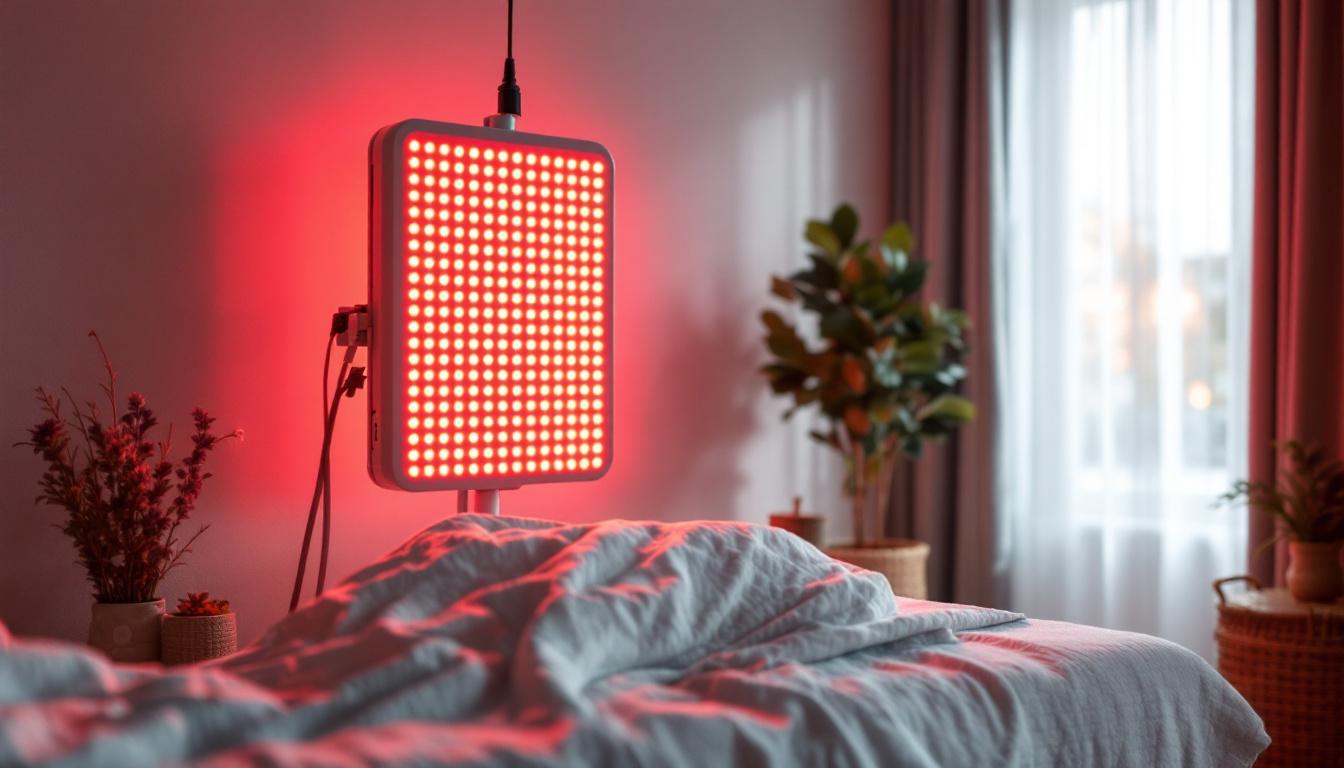
You're three days into a cold. Your nose is a faucet. Your sinuses feel like they're packed with concrete. And somewhere in the back of your mind, you're wondering if that red light panel sitting in the corner of your room could do anything useful.
It's a reasonable question. Red light therapy has picked up serious momentum as a home wellness tool, with people using it for everything from skin rejuvenation to joint pain relief. But colds? That feels like a stretch, right?
Maybe not. There's a growing body of evidence suggesting that photobiomodulation (PBM) — the technical name for red and near-infrared light therapy — can meaningfully affect the immune system, reduce inflammation, and even shorten the duration of upper respiratory symptoms. Not as a miracle cure. But as a legitimate supportive tool.
This guide breaks down what actually happens inside your body when you use red light therapy during a cold, which wavelengths matter, how to use it properly, and what realistic expectations look like. SeekRedLight has pulled together the best available research so you don't have to wade through the jargon yourself.
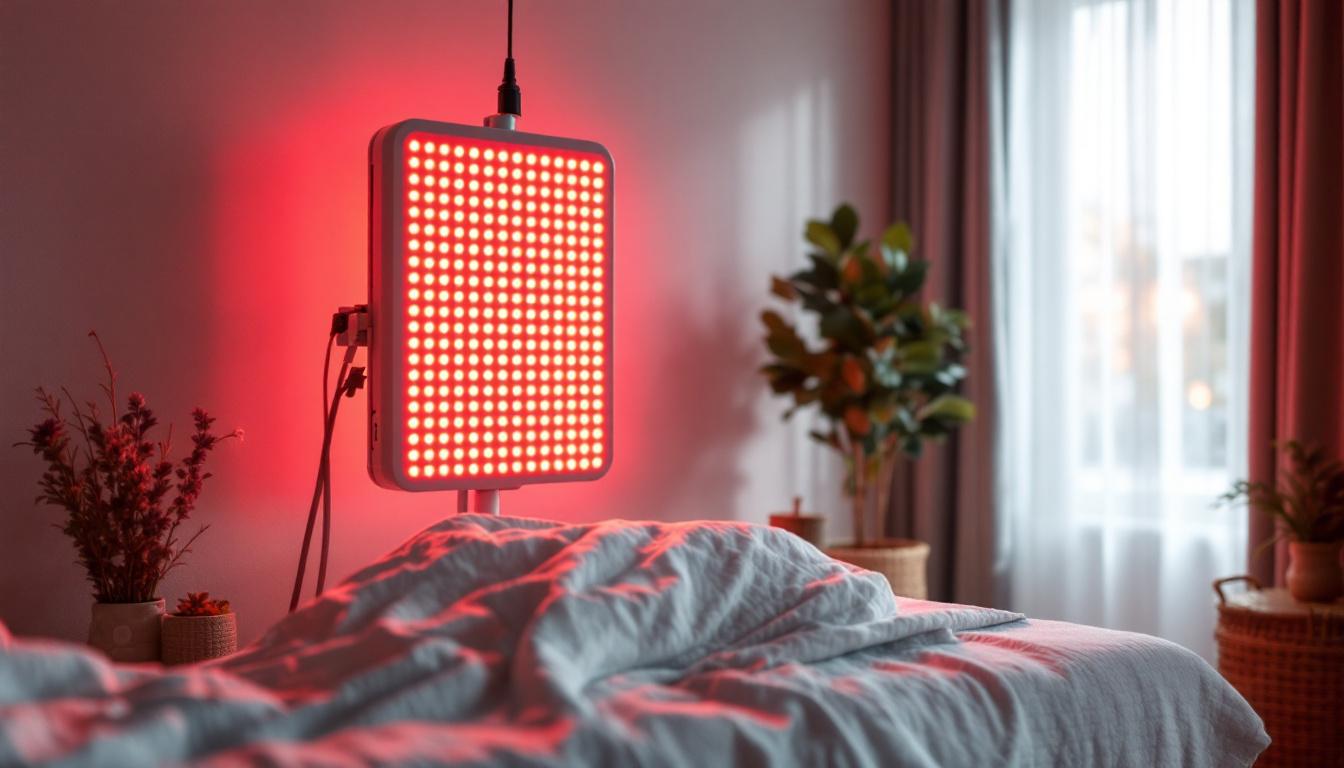
What happens to your body during a cold
Before we can understand how red light therapy might help, it's worth understanding what a cold actually is. Because most people think it's the virus doing the damage. It's not.
The cold virus (most often rhinovirus, though there are over 200 strains) infects the mucous membranes of your nose and throat. But the runny nose, congestion, fatigue, sore throat, and general misery? Those are your immune system responding. Your body mounts an inflammatory response to contain the infection, and that inflammation is what makes you feel terrible.
Your immune cells release signaling molecules called cytokines. Blood vessels in your nasal passages dilate and become more permeable, causing swelling and mucus overproduction. Your throat gets inflamed. Your lymph nodes activate. Your core temperature rises. All of this is intentional — it's your immune system doing its job.
The problem is that this inflammatory response can be excessive. And once it's running, it tends to sustain itself even after the viral load has dropped. That's why cold symptoms often peak around day 2-3 and then linger for another week even as you're no longer actively infected.
This is precisely where red light therapy and photobiomodulation may be useful. Not by attacking the virus directly — it doesn't do that. But by modulating the inflammatory response, supporting immune cell function, and reducing the tissue damage that drags symptoms out.
How red light therapy affects immune function
The mechanism behind red light therapy's immune effects starts in the mitochondria. Every cell in your body contains these tiny energy-producing organelles, and immune cells are particularly dependent on mitochondrial function. Immune responses are metabolically expensive.
When red and near-infrared light (typically between 630-850nm) hits your tissue, it's absorbed by cytochrome c oxidase — a protein complex in the mitochondrial membrane that's central to energy production. This interaction triggers a cascade of cellular events.
How red light therapy works at the cellular level has been studied extensively. The key effects relevant to immune function include:
ATP production increases
ATP (adenosine triphosphate) is cellular fuel. Immune cells — particularly T cells, macrophages, and natural killer cells — require abundant ATP to replicate, migrate to infection sites, and carry out their functions. Red light therapy consistently increases ATP output in exposed tissues.
Immune cells that are ATP-depleted are sluggish immune cells. They take longer to respond to pathogens, produce fewer antibodies, and clear infected cells more slowly. Boosting mitochondrial efficiency during illness gives your immune response more fuel to work with.
Reactive oxygen species regulation
During normal cellular activity, mitochondria produce reactive oxygen species (ROS) as a byproduct. In measured amounts, ROS serve as signaling molecules and even have antimicrobial properties. In excessive amounts, they damage tissue and amplify inflammation.
Red light therapy at therapeutic doses appears to normalize ROS levels — reducing oxidative stress when it's excessive while preserving the beneficial signaling role. This dual action is part of why photobiomodulation tends to have anti-inflammatory effects in acute situations without completely suppressing the immune response. You want your immune system working, not overworking.
Nitric oxide release
Red light therapy also triggers the release of nitric oxide (NO) from cells. Nitric oxide has complex roles in immunity. It acts as a vasodilator (improving blood flow to infected tissues), has direct antimicrobial properties, and helps regulate the behavior of macrophages — the immune cells responsible for engulfing and destroying pathogens.
Improved blood flow to nasal passages and throat tissues means faster delivery of immune cells and faster clearance of debris. For congestion specifically, this improved circulation can have a noticeably relieving effect.

The research on red light therapy and respiratory illness
The research on red light therapy for common colds specifically is still early. Most studies have used broader categories like "upper respiratory tract infections" or "rhinitis" rather than the common cold specifically. But the findings are interesting.
Rhinophototherapy
One of the most clinically relevant areas of research is "rhinophototherapy" — the application of light therapy directly to the nasal passages. Several European studies have examined low-level laser or light therapy delivered intranasally for allergic rhinitis, and the results have been consistent: reduced nasal congestion, decreased inflammatory markers, and improved symptom scores.
A study published in the journal Lasers in Surgery and Medicine examined intranasal phototherapy for allergic and nonallergic rhinitis across multiple clinical trials. The researchers found that light therapy at specific wavelengths (particularly combined 660nm red + 830nm NIR + 405nm violet) significantly reduced nasal inflammation and secretion. The mechanisms included reduced mast cell degranulation and decreased histamine release.
While allergic rhinitis and the common cold aren't the same condition, they share key pathophysiology: nasal inflammation, mucus overproduction, and immune activation. The anti-inflammatory mechanisms of photobiomodulation are largely the same in both cases.
General immune modulation studies
Broader research on photobiomodulation and immune function shows several consistent findings:
Macrophage activation: Multiple studies have demonstrated that red and near-infrared light enhances macrophage activity. A 2017 study in Photomedicine and Laser Surgery found that low-level laser therapy significantly increased macrophage phagocytic capacity — their ability to engulf and destroy pathogens. Activated macrophages are your first line of defense against respiratory viruses.
Anti-inflammatory cytokine shift: Research has documented that photobiomodulation tends to reduce pro-inflammatory cytokines (like TNF-alpha and IL-6) while increasing anti-inflammatory ones (like IL-10). During a cold, this could mean a modulated — rather than suppressed — inflammatory response: effective enough to clear the infection, but not so excessive that it prolongs suffering.
Lymphocyte function: T cells and B cells (the adaptive immune cells responsible for targeted antiviral responses and antibody production) show improved function with PBM. Studies in immunocompromised patients have been particularly instructive, showing that red light therapy can normalize lymphocyte counts and improve immune competency.
The skeptic's view
It's fair to note that most of this research involves either animal models, in vitro studies, or clinical populations (immunocompromised patients, chronic inflammatory conditions) rather than healthy adults with acute colds. Translating this evidence to "will my cold go away faster" is a step that requires some intellectual honesty.
What the science supports is that photobiomodulation can influence the underlying biological mechanisms at play during a cold. Whether those influences translate to meaningfully shorter illness duration in a typical healthy adult is less certain. The evidence is suggestive rather than definitive.
That said, the risk-to-benefit ratio looks favorable. If you already own a red light device, there's a solid scientific basis for using it during illness, and no meaningful downside.
Targeting the right areas
If you want to use red light therapy during a cold, where you point the light matters significantly. You're not going to get useful immune effects from treating your lower back while your upper respiratory tract is under attack.

Nasal passages and sinuses
This is the most targeted and potentially effective application. The nasal mucosa is highly vascular and close to the surface, making it accessible to photobiomodulation even without specialized intranasal devices. Pointing a red light panel at your face from 6-8 inches away, with eyes closed and protected, reaches sinus cavities reasonably well.
Eye protection for red light therapy is particularly important during facial treatments. Your eyes need proper red light therapy goggles or blackout eye protection — never treat your face without protecting your eyes first.
For more targeted nasal delivery, some people use small intranasal LED devices. These are consumer products designed specifically for delivering red and near-infrared light directly into nasal passages. They're less powerful than panel devices but extremely targeted. The research on rhinophototherapy uses exactly this delivery method.
Throat and neck
During a cold, your throat and the lymph nodes in your neck are active sites of immune response. Treating the throat area with red or near-infrared light can support lymphocyte function in the cervical lymph nodes and reduce throat inflammation.
Near-infrared wavelengths (810-850nm) penetrate deeper than visible red (630-660nm), reaching the lymph nodes through the skin of the neck. A 5-10 minute session with a panel device positioned at the throat is a reasonable protocol.
Chest (for lower respiratory symptoms)
If your cold has moved into your chest — producing a cough or bronchitis-like symptoms — treating the chest and upper back with near-infrared light can support the immune response there. Near-infrared wavelengths in the 810-850nm range can penetrate several centimeters into chest tissue, reaching bronchial and lung tissue.
Red light therapy and its anti-inflammatory effects have been studied across different tissue types. The mechanisms don't change based on which tissue you're treating.
Whole body (systemic immune support)
There's also an argument for full-body or large-panel treatment during illness. Full-body panel exposure provides systemic effects: circulating immune cells throughout your body are exposed to photobiomodulation, mitochondrial function improves broadly, and systemic anti-inflammatory effects accumulate. Think of this as supporting your immune system broadly rather than targeting a specific symptom.
Optimal wavelengths for immune support and cold relief
Not all light wavelengths are created equal for this application. The research points to specific ranges that are most relevant.
660nm (visible red)
This wavelength is absorbed primarily by the mitochondrial chromophore cytochrome c oxidase in superficial tissues. It's ideal for surface-level applications: nasal mucosa, throat lining, skin on the face and neck. Most immune studies using "low-level laser therapy" in the visible red range use wavelengths between 630-680nm.
For red light therapy eye protection guidance during any facial treatment: always use blackout goggles. The 660nm wavelength is particularly bright and direct facial exposure without eye protection is never appropriate.
810-850nm (near-infrared)
Near-infrared wavelengths don't produce visible light, but they penetrate significantly deeper than red. NIR at 810-850nm can reach 4-5cm into tissue, accessing lymph nodes, bronchial tissue, and deeper immune structures. For throat, neck, and chest treatments, NIR is preferable to visible red.
Many quality home devices combine 660nm red with 810-850nm NIR, which is ideal for cold treatment. You get both the surface-level effects on nasal and throat mucosa plus the deeper-reaching effects in lymphatic tissue.
830nm specifically
Several rhinophototherapy studies have used 830nm specifically, often in combination with shorter wavelengths. This wavelength sits in a particularly well-researched "therapeutic window" for tissue penetration and biological effects.
What to avoid
Wavelengths outside the 620-900nm range have limited evidence for the mechanisms we're discussing here. Blue light (around 405-465nm) has antimicrobial properties but doesn't drive the mitochondrial effects that are central to red light therapy's immune benefits. Infrared wavelengths above 1000nm are primarily thermal and don't produce the same photobiomodulation effects.
If you're using red light therapy bulbs or basic consumer products, verify the wavelength specifications. Many cheap "red light" products emit wavelengths well outside the therapeutic range and won't produce the effects discussed here.
Treatment protocols: how to use red light therapy during a cold
Protocol matters as much as wavelength. Too little exposure may not produce sufficient biological response. Too much can potentially trigger a paradoxical inhibitory effect (the so-called biphasic dose response in photobiomodulation research).
General protocol for cold symptoms
Frequency: Once or twice daily during active illness
Session duration: 8-15 minutes per treatment area
Distance: 6-12 inches from the device (check your device's specific recommendations — irradiance drops sharply with distance, so closer is often better within safe parameters)
Treatment areas for a typical cold:
- Face/sinuses: 8-10 minutes (with eye protection, eyes closed)
- Throat/neck: 5-8 minutes
- Chest (if lower respiratory): 8-12 minutes
You don't need to treat all areas in every session. If congestion is your main symptom, prioritize the face and sinuses. If you have a sore throat, prioritize the neck. Understanding how long sessions should be is important — more time isn't always better.
Dosing considerations
Red light therapy dosing is measured in joules per square centimeter (J/cm²). For immune and anti-inflammatory effects, most research points to a range of 3-10 J/cm² as effective. Below 1 J/cm² typically shows minimal biological response. Above 50-100 J/cm² can be inhibitory.
For a typical 100mW/cm² consumer panel at 6 inches:
- 3 minutes ≈ 18 J/cm²
- 8 minutes ≈ 48 J/cm²
- 15 minutes ≈ 90 J/cm²
Most consumer devices are in the 50-100mW/cm² range at recommended distances, so 8-15 minute sessions typically land in the effective range without risking over-dosing.
When to start
Start at the first sign of symptoms. The anti-inflammatory and immune-supporting effects of photobiomodulation are most impactful in the early stages when the immune response is ramping up. Waiting until day 4 when you're already deep into symptom peak is less likely to produce dramatic results.
This is consistent with how most supportive immune interventions work. Prevention and early intervention outperform late-stage treatment almost universally.
Combining with other recovery strategies
Red light therapy works best as part of a broader recovery approach, not as a standalone intervention. It doesn't replace rest, hydration, or other evidence-based cold management strategies. The most sensible approach:
- Rest (your immune system needs energy, and sleep is when the most effective immune work happens)
- Hydration (helps thin mucus, supports lymphatic function)
- Red light therapy sessions 1-2x daily
- Vitamin D, zinc, and vitamin C at appropriate doses (each has evidence for reducing cold duration)
- Saline nasal rinses (physically removes mucus and pathogens)
Red light therapy vs infrared sauna is a comparison worth understanding when thinking about comprehensive recovery — both can support recovery, but through different mechanisms and with different protocols.
Does red light therapy prevent colds?
This is a different question from treating active illness. Prevention involves sustained immune maintenance rather than acute immune support.
There's reasonable evidence that consistent, long-term red light therapy practice maintains better baseline immune function. Regular photobiomodulation use has been associated with:
- Higher lymphocyte counts in some clinical populations
- Better natural killer (NK) cell activity
- Reduced baseline inflammatory markers
- Improved mitochondrial health in immune cells
Whether this translates to fewer colds per year for typical healthy adults is an empirical question that hasn't been directly studied. But the mechanistic basis is sound. Healthier immune cells that are better fueled and less burdened by chronic inflammation should respond more effectively to new pathogen encounters.
Think of it like cardiovascular fitness. Regular exercise doesn't guarantee you'll never catch a cold, but it does give your cardiovascular system more reserve capacity. Regular red light therapy may offer similar "immune reserve" benefits. SeekRedLight's comprehensive guides cover the full range of evidence-based uses.
Red light therapy for sinus congestion specifically
Sinus congestion deserves its own section because it's often the most debilitating cold symptom and there's specific evidence for photobiomodulation here.
The nasal mucosa contains a dense network of blood vessels and lymphatic tissue. During a cold, inflammation causes these vessels to dilate and become leaky, flooding the tissue with immune cells and fluid — hence the blockage. Mucus glands also upregulate secretion dramatically.
Red light therapy applied to the nasal region can:
- Reduce vascular permeability — the same anti-inflammatory signaling that reduces edema in treated tissue can reduce the leakiness of nasal blood vessels
- Stimulate nitric oxide release — NO is a vasodilator, but also a regulator of mucus secretion; NO signaling can reduce excessive mucus production
- Modulate mast cell activity — mast cells in nasal tissue release histamine and other inflammatory mediators during illness; photobiomodulation can reduce mast cell degranulation
The rhinophototherapy research mentioned earlier tested exactly this application. Results consistently showed reductions in nasal blockage scores, decreased secretion, and improved patient-reported symptom relief. The combined wavelength approach (visible red + NIR + violet/blue) performed better than single wavelengths alone in several studies.
For practical application, position your panel 4-6 inches from your face, ensure your eye goggles are in place and fitting properly, and treat for 8-10 minutes. Some people find it more comfortable to lean toward the panel rather than having it face-on — treating at a slight angle still delivers light to the nasal region without direct frontal exposure to eyes.
Gentle nasal massage during or after the session may help mobilize loosened mucus. Combined with saline rinse, this can provide noticeable relief.
What red light therapy can't do for colds
Let's be direct about the limitations. Red light therapy is not:
An antiviral treatment. It doesn't kill rhinovirus or any other cold virus. If you're hoping for something that directly attacks the pathogen like antivirals do, that's not what photobiomodulation is. It works through your body's own systems, not against the virus directly.
A replacement for sleep. No light therapy session compensates for inadequate sleep during illness. Sleep is when your immune system is most active. Cytokine production, T cell proliferation, antibody generation — all of these peak during slow-wave sleep. If you're choosing between a red light session and an extra hour of sleep, choose the sleep.
A fast-acting symptom suppressor. Unlike decongestants, red light therapy doesn't provide immediate relief within minutes. The biological changes it triggers unfold over hours. You might feel better after a session for reasons partly related to relaxation and warmth, but the measurable anti-inflammatory effects take time to manifest.
Uniformly effective for all cold types. Different cold viruses produce somewhat different symptom profiles. Individual immune responses vary enormously. Results are likely to be heterogeneous — some people will notice clear effects, others less so.
This honesty matters because overpromising is a real problem in the red light therapy space. SeekRedLight exists to cut through the marketing hype and give you grounded, science-backed information about what these devices actually do and don't do.
Safety considerations
Red light therapy is broadly safe for cold treatment. There are no known negative interactions between photobiomodulation and the common cold itself. But a few safety points deserve mention.
Eye protection is non-negotiable
Any treatment near the face requires proper eye protection. Choosing the right eye protection for red light therapy is covered in detail elsewhere, but the core rule is simple: if the device is within your field of vision or directed anywhere near your face, you need blackout goggles that block both red and near-infrared wavelengths. Standard sunglasses are insufficient.
Fever caution
If you have a significant fever (above 39°C / 102°F), consider whether whole-body or high-intensity red light treatment is appropriate. Red light therapy increases local tissue temperature modestly and stimulates metabolic activity. When your body is already running hot, adding significant thermal input may not be ideal. For focal treatment of nasal area or throat in short sessions, this is less concerning. For full-body treatment, wait until your fever has normalized.
Skin conditions
Most red light therapy is beneficial for skin, but if you have open sores, active herpes lesions (which can be triggered or exacerbated by illness), or other acute skin conditions near treatment areas, be cautious with light treatment over those specific areas.
Medications
Certain medications increase photosensitivity. If you're taking photosensitizing drugs, check with your healthcare provider before using red light therapy on exposed skin areas.
Children
The evidence for red light therapy in children is thinner than for adults. Children do get significantly more colds than adults (up to 6-8 per year versus 2-3 for adults), and parents often look for anything that might help. The safety profile of low-level red light therapy in children appears reasonable based on available evidence, but appropriate dosing and device distances matter more because children's tissue characteristics differ from adults. Consult with a healthcare provider if you're considering red light therapy for children under 12.
The best devices for cold treatment
You don't need an expensive or complex device for cold-related red light therapy. The key requirements are:
- Wavelengths: 660nm red and/or 830-850nm near-infrared
- Irradiance: At least 20-50 mW/cm² at treatment distance (check specs carefully — many cheap devices don't disclose or understate irradiance)
- Size: For nasal/face treatment, a small to medium panel works well. You don't need a full-body panel to treat sinuses.
Panel devices
Full-size panels (like those reviewed in red light panel vs mask comparisons) offer flexibility. You can treat your face, neck, chest, and back with the same device. If you already own one for skin or pain applications, it's perfectly suited for cold treatment too.
Facial and targeted devices
Smaller facial panels are convenient for cold treatment because they're designed for close-range facial use. The Lumara red light mask and similar products deliver targeted light to the face and nasal region, though they're primarily designed for skin benefits rather than cold recovery specifically.
Intranasal devices
These are niche consumer products with small LED arrays designed to be inserted into the nostrils. They're purpose-built for rhinophototherapy applications. If sinus congestion is your primary concern and you're interested in the most targeted possible delivery, these are worth researching. They're less powerful than panel devices but extremely targeted.
The hg200 and hg300 series devices have been reviewed in detail and represent solid quality in the mid-range price bracket for panel devices.
Real-world usage: what to actually expect
Let's talk practical outcomes. Based on the science and the anecdotal experience of regular red light therapy users:
Most likely effects with consistent use during a cold:
- Moderate reduction in nasal congestion (especially with direct facial treatment)
- Somewhat reduced throat soreness
- Possibly faster resolution of symptoms (by 1-2 days vs untreated baseline — this is the finding from several rhinophototherapy studies)
- General sense of feeling better during sessions (partly from the warmth and the relaxation response)
- Better sleep quality (red light in the evening doesn't disrupt circadian rhythm the way blue-heavy light does)
Less certain / individual-dependent:
- Significant reduction in overall illness duration
- Meaningful antiviral effects
- Prevention of colds spreading to lower respiratory tract
Unlikely to observe:
- Complete symptom elimination within one or two sessions
- Faster-than-normal recovery in the absence of other good illness management practices
- Protection against reinfection

The honest picture is of a useful supportive tool that complements good illness management rather than replacing it. Many regular users of red light therapy report that they seem to recover from colds faster than they used to — but separating the effect of the red light from the generally health-conscious lifestyle of people who invest in these devices is genuinely difficult.
Red light therapy and post-cold recovery
The period after a cold — when the acute infection has cleared but you're left with residual fatigue, lingering congestion, and general depletion — is an underappreciated application for photobiomodulation.
Post-viral fatigue is real and can be debilitating. The mitochondrial dysfunction that often accompanies and follows viral illness responds well to red light therapy. Studies on red light therapy for fatigue and general recovery show consistent improvements in energy levels and recovery time.
Post-cold sinusitis — when a cold leaves behind a bacterial sinus infection — is another area where photobiomodulation's anti-bacterial and anti-inflammatory properties may be helpful. Regular treatment during this recovery phase may support resolution of lingering sinus inflammation.
Red light therapy after surgery shares some mechanistic similarities with post-illness recovery — in both cases, you're supporting tissue repair and immune resolution after an acute challenge.
Frequently asked questions
Can red light therapy cure a cold?
No. Red light therapy doesn't kill the viruses that cause colds. What it can do is support your immune response, reduce excessive inflammation, and potentially shorten symptom duration. Think of it as support for your body's own defenses rather than a treatment targeting the virus.
How quickly will I notice results?
Most people who notice effects report improvement over 24-48 hours of consistent daily use, not after a single session. The biological changes triggered by photobiomodulation are cumulative, and the anti-inflammatory effects build up with repeated exposures. Don't expect instant results.
Is it safe to use red light therapy when I have a fever?
For mild fevers (below 38.5°C / 101°F), targeted treatment of nasal/throat areas for short sessions (5-10 minutes) is generally fine. For higher fevers, focus on rest and hydration, and hold off on full-body or longer red light sessions until your temperature normalizes.
Can I use red light therapy on my kids when they have a cold?
The evidence specifically in children is limited. The safety profile appears reasonable for short, targeted sessions, but appropriate dosing is more important in children than adults. Consult a pediatrician before using red light therapy on young children.
How is this different from light therapy for seasonal affective disorder (SAD)?
SAD light therapy uses bright white or blue-heavy light to regulate circadian rhythms and mood via the eyes. Red light therapy uses specific red and near-infrared wavelengths that don't enter the eyes (in fact, you protect your eyes during treatment). The mechanisms are completely different.
Do I need a special device for cold treatment?
No — any quality panel device with 660nm and/or 830nm wavelengths works fine. You don't need an intranasal device, though those offer more targeted nasal delivery. A standard red light therapy panel that you'd use for skin or pain applications will work.
Should I continue using red light therapy after the cold is gone?
Yes. The immune-supporting and anti-inflammatory benefits of regular photobiomodulation practice support ongoing immune health. If you're already using it for skin, joint, or other benefits, maintaining that practice through and after illness makes sense.
Can red light therapy help with colds caused by COVID-19?
The mechanisms of photobiomodulation apply broadly to respiratory viral illness regardless of the specific virus. Some early research has specifically examined light therapy for COVID-19 related symptoms and inflammation, with some promising results in reducing inflammatory responses. However, COVID-19 has unique characteristics and severity potential that make it meaningfully different from the common cold. Standard public health guidance for COVID-19 takes precedence over any PBM protocol.
Related guides
- Red light therapy for neuropathy
- How long to do red light therapy
- Can you do too much red light therapy?
- Red light therapy for feet
- Red light therapy goggles: complete guide
Sources
- Hamblin MR. "Mechanisms and applications of the anti-inflammatory effects of photobiomodulation." AIMS Biophysics, 2017. PubMed
- Moustafa Y, et al. "Rhinophototherapy: new light for treatment of allergic and nonallergic rhinitis." Expert Review of Respiratory Medicine, 2012.
- Avci P, et al. "Low-level laser (light) therapy (LLLT) in skin: stimulating, healing, restoring." Seminars in Cutaneous Medicine and Surgery, 2013. PubMed
In case I don't see you, good afternoon, good evening, and good night. May your immune system stay resilient, your sessions stay consistent, and your recovery come faster than expected. Explore SeekRedLight for comprehensive guides and tools to get the most from your red light therapy practice.