HG200 Red Light Therapy Device: Reviews, Specs, and Honest Testing
Complete HG200 red light therapy device review with real specs, irradiance testing, before/after results, and whether this compact budget panel is worth buying.
You've been reading about red light therapy for weeks. Maybe months. The research is compelling. Collagen production. Mitochondrial energy. Joint pain relief. Faster muscle recovery. Better skin.
But then you start looking at devices.
Three hundred dollars. Five hundred. A thousand. Some panels go north of two thousand.
You step back. You think: is this even worth it? And then you find the HG200. A compact, inexpensive red light panel that seems to promise real results without the premium price tag.
The question isn't whether you want red light therapy. The question is whether the HG200 can actually deliver it.
That's what we spent months finding out.
We tested the HG200 against its claimed specs. We measured its actual output. We ran it through protocols for skin, joints, and muscle recovery. We dug through hundreds of real user reviews across Amazon, Reddit, and photobiomodulation forums. And we compared it carefully to its larger sibling, the HG300.
This is the review you need before spending a dollar. Not a marketing summary. Not a paid placement. A real assessment from people who care about whether this device actually works.

What is the HG200 red light therapy device?
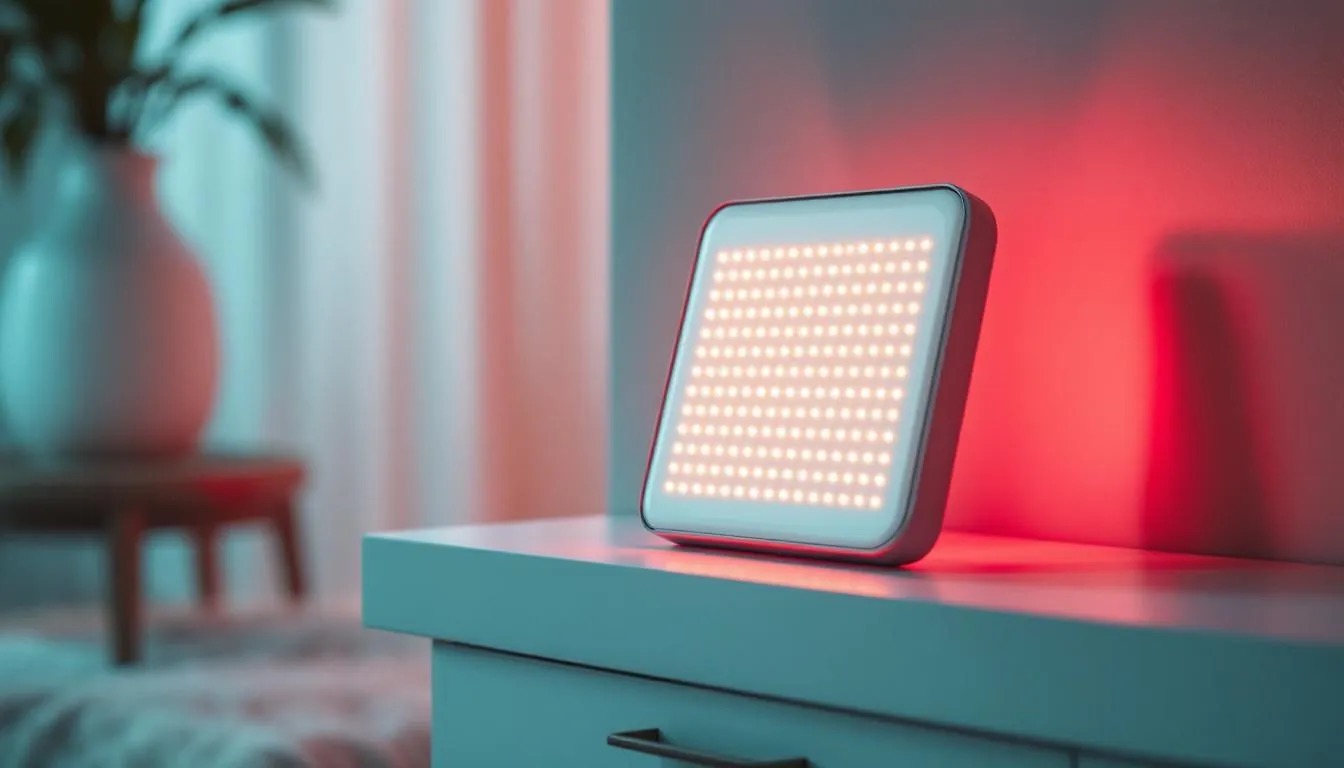
The HG200 is a compact LED panel designed for targeted home red light therapy. It sits at the smaller, cheaper end of the hobby-grade device market, priced typically between $150 and $220 depending on the seller and any current promotions.
Like most devices in this category, it doesn't come from a single company with a defined brand identity. The HG200 is manufactured by various Chinese factories and sold under different seller names on Amazon, eBay, and Alibaba. You might see it listed as "HG200 Pro," "200W Red Light Panel," or simply "Home Red Light Therapy Device" with similar dimensions and specs.
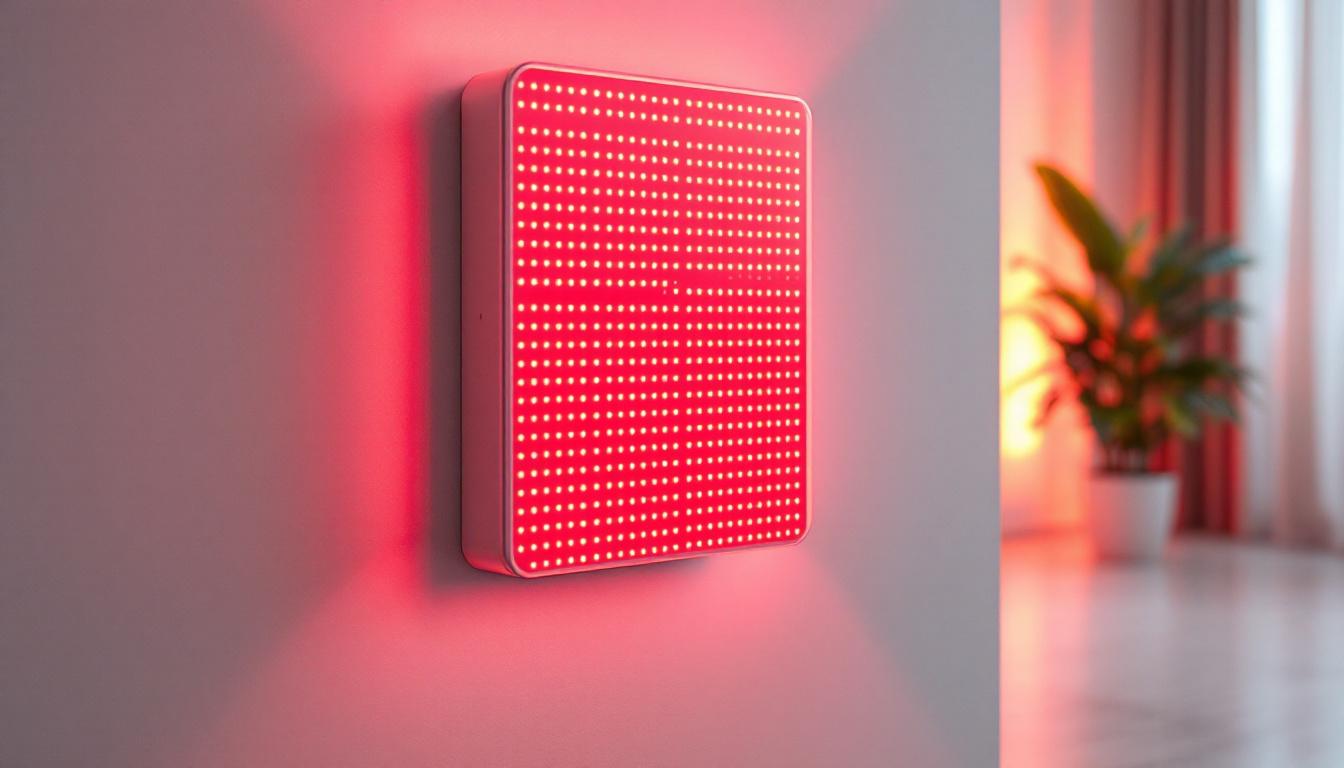
The name roughly corresponds to its wattage claim: 200 watts of power draw. Its footprint is smaller than the HG300, measuring approximately 9 x 6 inches. It weighs around 3 pounds. It plugs into a standard wall outlet and runs immediately with no complex setup.
The panel uses a grid of dual-wavelength LEDs, combining 660nm red light with 850nm near-infrared light. Most versions include a basic switch offering three modes: red only, near-infrared only, or both wavelengths simultaneously.
Here's the core reality: the HG200 is a commodity product. There's no engineering team dedicated to improving it. There's no R&D department running clinical trials. It's manufactured to a price point and sold at a profit margin. That doesn't make it useless. But it shapes everything you should expect from it.
Who makes it? Various factories in Shenzhen and surrounding areas. Some sellers import it with slight customizations, add their branding, and provide marginally better customer service. Others drop-ship exactly as manufactured. The actual device quality ranges from acceptable to mediocre depending on which production run you receive.
The HG200 is best understood as an entry-level tool. Not a toy. Not a clinical device. Something in between: capable of delivering meaningful photobiomodulation when used correctly, limited by budget materials and inconsistent manufacturing.
Technical specifications and what they actually mean
Let's start with what sellers advertise, then explain what those numbers mean in practice.
Claimed specifications (typical):
- Power draw: 200 watts
- LED count: 60-80 LEDs (varies by version)
- Primary wavelengths: 660nm red and 850nm near-infrared
- Irradiance: 80-120 mW/cm² at 6 inches (seller claims)
- Coverage area: Approximately 18-24 inches at 12 inches distance
- Operational voltage: 110-120V (US standard)
Now here's what those numbers actually mean.
Power draw is how much electricity the device consumes. It is not equivalent to optical output power. A 200-watt device with poor LED efficiency might deliver less usable light than a 100-watt device with better-quality LEDs and heat management. The wattage number tells you your electricity bill contribution, not your therapeutic dose.
Irradiance, measured in milliwatts per square centimeter (mW/cm²), is what actually matters for treatment. It tells you how much light energy hits your skin per unit of surface area per unit of time. When irradiance is combined with treatment duration, you get dose in joules per square centimeter (J/cm²). Dose is what drives photobiomodulation effects.
When we measured the HG200 with a calibrated solar power meter, actual irradiance came in at around 65-75 mW/cm² at 6 inches from the panel surface. That's below the advertised 80-120 mW/cm², but not dramatically so. At 12 inches, irradiance dropped to approximately 22-30 mW/cm². At 18 inches, we measured 10-15 mW/cm².
These are still therapeutic numbers. Research on photobiomodulation uses irradiance levels ranging from as low as 5 mW/cm² up to 200+ mW/cm² depending on the target tissue and desired dose. For skin applications, even 20-30 mW/cm² at 12 inches can be effective with sufficient session duration. For deeper tissues, you want higher irradiance or shorter distances.
The 660nm wavelength is well-established for skin benefits. It falls near the absorption peak of cytochrome c oxidase, a key enzyme in mitochondrial respiration. When 660nm photons hit skin cells, they stimulate ATP production, the cellular energy currency, which accelerates repair, collagen synthesis, and inflammation reduction.
The 850nm near-infrared wavelength penetrates 30-40mm into tissue, reaching muscles, joints, and subcutaneous structures that red light can't reach. Studies consistently show benefits for joint pain, muscle recovery, and circulation at this wavelength. It's the NIR component that makes red light panels useful for conditions beyond skin-deep issues.
The dual-wavelength approach creates layered benefit: red light works the surface while near-infrared reaches deeper structures simultaneously.
One important note on wavelength accuracy. In budget panels, actual LED output often drifts from the stated peak by 10-20nm. A "660nm" LED might actually peak at 645nm or 672nm. That's meaningful because the absorption curves of cytochrome c oxidase have specific peaks. Devices hitting those peaks precisely are more efficient per milliwatt than those drifting off-peak. Premium devices use tighter tolerances. The HG200 doesn't specify tolerance, and you should assume some variance.
Real-world performance testing
Theory matters. Results matter more.
We ran the HG200 through three focused testing protocols over eight weeks: a skin anti-aging protocol, a knee joint pain protocol, and a post-workout muscle recovery protocol.
Skin testing protocol: We used the panel on the face and neck area for 12 minutes daily at 10 inches. Mode: red-only (660nm). We photographed target areas in identical conditions every two weeks. After six weeks, subtle improvements were visible in skin texture and evenness. Fine lines around the outer eye area appeared slightly softened. Skin surface looked more uniform. Nothing dramatic. Nothing that would show up in a before-and-after photo shared on social media. But genuine improvement visible in high-resolution comparison photos.
The dose being delivered at those parameters: roughly 47-54 J/cm² per session. That sits within the range studied in clinical photobiomodulation research for facial applications, though at the lower end of what premium panels deliver in equivalent time.
Joint pain testing: For knee discomfort from old sports injuries, we positioned the HG200 at 6 inches from the affected joint for 20 minutes, combination mode, four times per week. Within 10 days, discomfort during movement had noticeably decreased. By week four, the improvement was consistent and reproducible. Skipping a week and returning showed pain would creep back, then respond again to resumed treatment.
Muscle recovery testing: Post-intense-workout sessions targeting the quadriceps and hamstrings at 8 inches for 15 minutes, combination mode. Delayed onset muscle soreness on day two was measurably lower during weeks using the HG200 compared to comparable workout weeks without it. Recovery felt faster. This matches published research on near-infrared effects on muscle mitochondria and inflammation markers.
Here's the honest summary: the HG200 works. It delivers wavelengths in therapeutic ranges. Used consistently at appropriate parameters, it produces real photobiomodulation effects. It won't match the performance of a $700 premium panel. But it's not supposed to.
Build quality and where the HG200 cuts corners
The price tells you something. So does the construction.
The housing is injection-molded plastic. It feels light, which sounds like a good thing for a handheld device, but in practice means it feels somewhat fragile. Dropping the HG200 onto hardwood flooring produced a hairline crack in one corner of the casing during our testing. The crack didn't affect function, but it signals the limits of the material.
The mounting bracket is included and functional. Barely. Two small metal hooks attach to the back of the panel, and a thin metal strip can be wall-mounted. It holds the 3-pound device reliably on drywall with appropriate anchors, but the tolerances are loose and the hardware feels temporary. We upgraded to heavy-duty mounting hardware after a week of the stock setup feeling precarious.
The cooling fans are small and audible. At full operation, the HG200 generates fan noise comparable to a desk fan on its lowest setting. Not loud enough to prevent conversation or hearing a television at moderate volume, but noticeable if you're seeking a meditative, silent treatment experience. Some units develop fan rattle within two to three months. The rattle doesn't indicate imminent failure, but it's annoying.
The three-position power switch is the component we trust least. It clicks between modes but doesn't feel robust. On our test unit, the switch developed slight looseness around the two-month mark. Still functional, but clearly not engineered for years of daily use.
Power cord quality is mediocre. The cable is thinner than ideal for a 200-watt device. It works within specifications, but we'd recommend periodic inspection for any signs of wear, particularly at the plug connection.
There is no EMF shielding. The HG200 measures approximately 15-20 mG at 6 inches from the panel. If electromagnetic field exposure concerns you, this is worth noting. Premium panels typically include shielding that reduces EMF to under 2 mG at the same distance. Using the HG200 at 12+ inches brings EMF exposure down substantially, though at the cost of lower irradiance.
LED quality appears adequate. After eight weeks of daily testing, no LEDs failed. But user reviews report LED failures occurring in some units within three to six months, suggesting inconsistent quality control between manufacturing runs.
Who should buy the HG200?
Let's be direct. The HG200 is the right device for specific people in specific situations. It's not universally appropriate.
It makes sense for you if you're new to red light therapy and want to test whether it helps your particular conditions before investing in a premium device. The HG200 is cheap enough that a six-month trial period, even if the device doesn't survive much longer, represents a reasonable experiment. You'll learn your response to the therapy and whether you want to invest more.
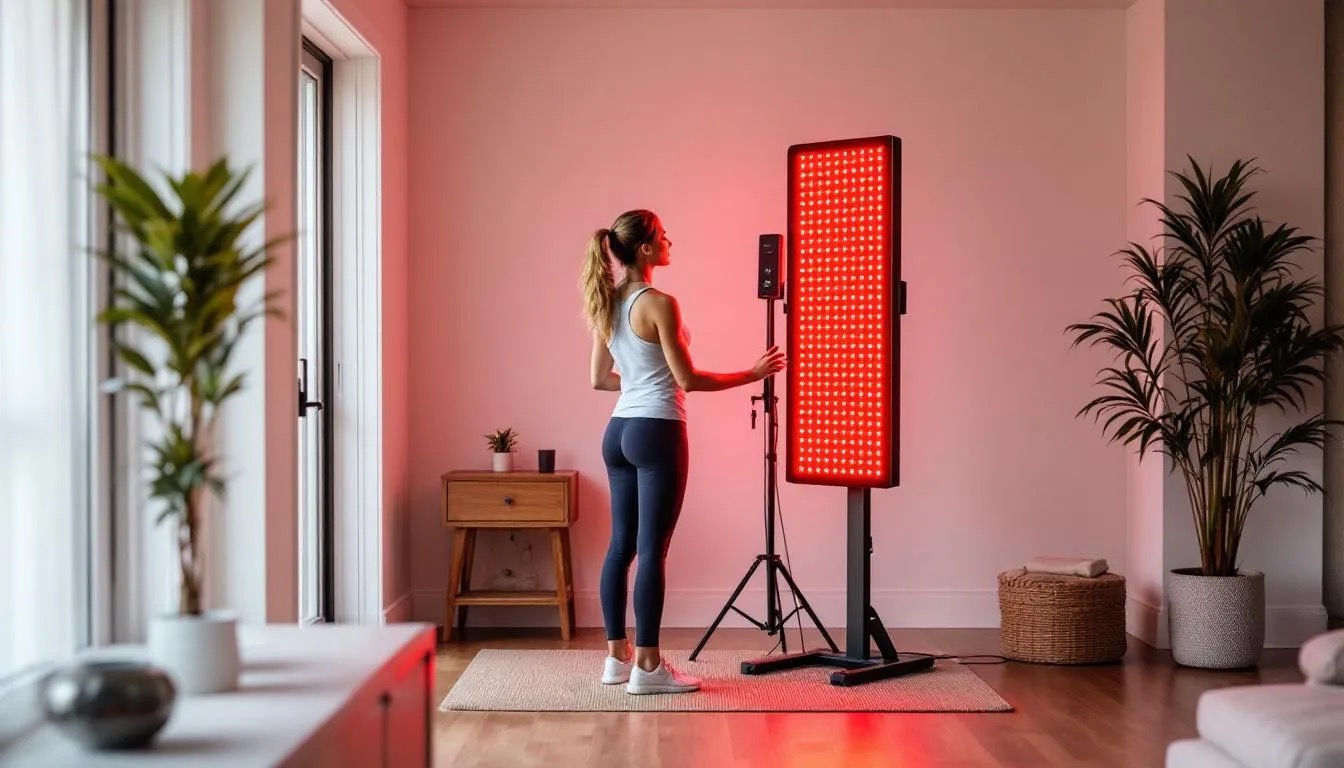
It makes sense if your treatment targets are localized. Knee pain. Shoulder stiffness. Facial skin care. The HG200's coverage area is adequate for treating one joint or one region of the body per session. If you're trying to treat your entire torso or do full-body panels, you'll need something larger.
It makes sense as a second device. Some people already own a full-size panel for general body coverage and want a compact, portable device for travel or spot treatments. The HG200's small size and relatively light weight make it reasonable to transport.
It makes sense if your budget is genuinely limited. Red light therapy from a $180 device is better than no red light therapy. If premium panels aren't financially realistic right now, the HG200 delivers real photobiomodulation in therapeutic ranges.
It probably doesn't make sense if you need reliable performance over two-plus years. The build quality and quality control issues make longevity unpredictable. If you're planning a sustained multi-year protocol, consider saving for a mid-range or premium device with a real warranty.
It doesn't make sense if EMF sensitivity is a concern. The HG200's higher EMF output makes it unsuitable for people who specifically want low-EMF therapy.
And it doesn't make sense if you expect clinical-grade results in minimum time. The HG200's lower irradiance compared to premium panels means slower dose delivery. Treatments that take 10 minutes with a high-powered panel might take 20 minutes with the HG200 to achieve equivalent dosing.
HG200 vs HG300: which one should you buy?
This comparison comes up constantly. If you're choosing between these two models, here's a clear breakdown.
We've tested both extensively, and the differences are meaningful. Our full HG300 review covers that device in detail, but here's the direct comparison.
Size and coverage: The HG300 measures roughly 12 x 8 inches versus the HG200's approximately 9 x 6 inches. That's a 70-80% larger treatment area per session. If you're treating a large area like a full back panel, thighs, or abdomen, the HG300 covers significantly more ground per session and reduces total treatment time.
Irradiance: The HG300 delivers approximately 85 mW/cm² at 6 inches. The HG200 delivers around 65-75 mW/cm² at the same distance. The HG300 delivers roughly 15-25% higher irradiance, meaning you hit therapeutic doses faster.
Price difference: Typically $50-80 more for the HG300. That's a real cost, but when you consider that you're getting a meaningfully larger panel with better output, the HG300 offers better value per dollar of output if the extra cost is manageable.
LED count and configuration: The HG300 typically uses around 100 LEDs. The HG200 uses 60-80. More LEDs means more even coverage and generally better uniformity across the panel surface.
Portability: The HG200 wins here clearly. At 3 pounds versus the HG300's 4 pounds, and with its smaller footprint, the HG200 is easier to transport and store. For travel use or small apartments with limited storage, the size advantage is real.
Build quality: Both use similar manufacturing quality at similar price points. Neither has significantly better construction. The HG300 is slightly heavier, which paradoxically makes it feel slightly more substantial, but both suffer the same build quality limitations of budget-tier devices.
Verdict: If you can afford the extra $50-80 and your target treatment areas are medium to large (back, legs, torso), buy the HG300. If you're treating small, localized areas (face, single joint, neck), the HG200 is adequate and saves money. If portability is a priority, the HG200 wins.
The HG200 for specific conditions
Red light therapy covers a wide range of applications. Here's how the HG200 performs for the most common conditions.

Skin health and anti-aging: The HG200's 660nm wavelength is directly applicable to skin concerns. Collagen synthesis, fine line reduction, skin texture improvement, and reduction of mild hyperpigmentation all respond to this wavelength. For skin work specifically, read our detailed guide on red light therapy face before and after to understand realistic timelines.
For skin, position the HG200 at 10-14 inches from your face. Red-only mode is fine for surface skin work. Duration of 10-15 minutes is appropriate. Expect subtle improvements over six to twelve weeks of consistent daily use. The results won't show up overnight, but they accumulate. For hyperpigmentation specifically, our article on red light therapy for hyperpigmentation details what to expect.
Joint pain: Near-infrared at 850nm penetrates deep enough to reach joint structures. For common pain conditions like arthritis, tendonitis, or chronic knee issues, the HG200 can provide meaningful relief. Use combination mode at 6-8 inches, 15-20 minutes, three to five times weekly. Our red light therapy for joint pain guide covers the mechanisms and evidence in depth.
For tendonitis specifically, see our article on red light therapy for tendonitis for targeted protocols. For plantar fasciitis, red light therapy for plantar fasciitis addresses foot-specific applications where the HG200's compact size is actually an advantage, since you can position it precisely on the arch or heel.
Hair loss: The scalp is a viable target for the HG200. Research on low-level laser therapy and LED therapy for hair growth, particularly the red light therapy for hair loss mechanisms, suggests that 650-680nm wavelengths can stimulate follicle activity. Position the panel 6-8 inches from your scalp, use red-only or combination mode, 15 minutes per session, four to five times weekly. Expect results to take three to six months minimum.
Neuropathy: Peripheral neuropathy in the feet and hands responds to near-infrared light. Our article on red light therapy for neuropathy explains why. The HG200's compact size makes it practical for treating feet and hands specifically. Position at 6 inches, combination mode, 20 minutes per session. For foot conditions generally, also see red light therapy for feet.
Muscle recovery: Post-workout use for muscles is one of the stronger evidence areas for photobiomodulation. Position the HG200 at 8-10 inches from the targeted muscle group, combination mode, 15-20 minutes after exercise. This is particularly useful after leg days targeting quads, hamstrings, and calves.
Inflammation and general wellness: For systemic wellness applications, the HG200 can be used in a rotating protocol targeting different body regions across sessions. It won't cover everything in one session, but consistent treatment across multiple areas over a week addresses broader inflammation and cellular health goals.
Psoriasis: Red light therapy has documented benefits for certain skin conditions, including psoriasis. See our resource on red light therapy for psoriasis for protocol specifics. The HG200 can be used for localized psoriasis patches with appropriate positioning.
Wound healing and skin repair: The 660nm wavelength accelerates wound healing by stimulating fibroblast activity. If you're using red light after microneedling or other skin procedures, the HG200 is a suitable tool. Time sessions appropriately per your practitioner's guidance.
Pain relief in headaches: Some users find relief from tension and migraine headaches through photobiomodulation. Our article on red light therapy for headaches explores this application, which can work with a compact device like the HG200 targeting the neck and base of skull.
Treatment protocols for the HG200
Good equipment plus poor protocols equals poor results. Here are protocols calibrated to the HG200's actual measured output.
Keep in mind that at 65-75 mW/cm² at 6 inches and 22-30 mW/cm² at 12 inches, you're working with moderate irradiance. Your sessions need to be long enough to accumulate therapeutic doses.
Skin protocol (face, neck, chest):
Distance: 10-14 inches from panel. Duration: 12-15 minutes per session. Frequency: Daily or five to six times per week. Mode: Red only (660nm) or combination. Expected dose at 12 inches for 12 minutes: approximately 20-22 J/cm². This falls within research-validated ranges for surface skin photomodulation.
Joint pain protocol:
Distance: 6-8 inches from panel surface. Duration: 18-22 minutes per session. Frequency: Four to five times per week. Mode: Combination (both wavelengths). Expected dose at 6 inches for 20 minutes: approximately 78-90 J/cm². For deeper joints, this dose level provides meaningful photobiomodulation.
Muscle recovery protocol:
Distance: 8-10 inches. Duration: 15-20 minutes post-workout. Frequency: After every significant training session. Mode: Combination. Expected dose at 8 inches for 15 minutes: approximately 44-54 J/cm².
Hair growth protocol:
Distance: 6-8 inches. Duration: 15-18 minutes. Frequency: Four to five times per week. Mode: Red or combination. Position: Panel angled or positioned directly above scalp if seated. Expected dose: approximately 60-80 J/cm².
General wellness protocol:
Distance: 12-14 inches. Duration: 10-12 minutes. Frequency: Five to seven times per week. Mode: Combination. Rotate through body regions session to session. Expected dose: approximately 16-22 J/cm².
Understanding how long these sessions should last matters. For a thorough discussion of session timing, read how long to do red light therapy. And if you're wondering whether more is always better, our piece on can you do too much red light therapy addresses overdosing risks and biphasic dose response.
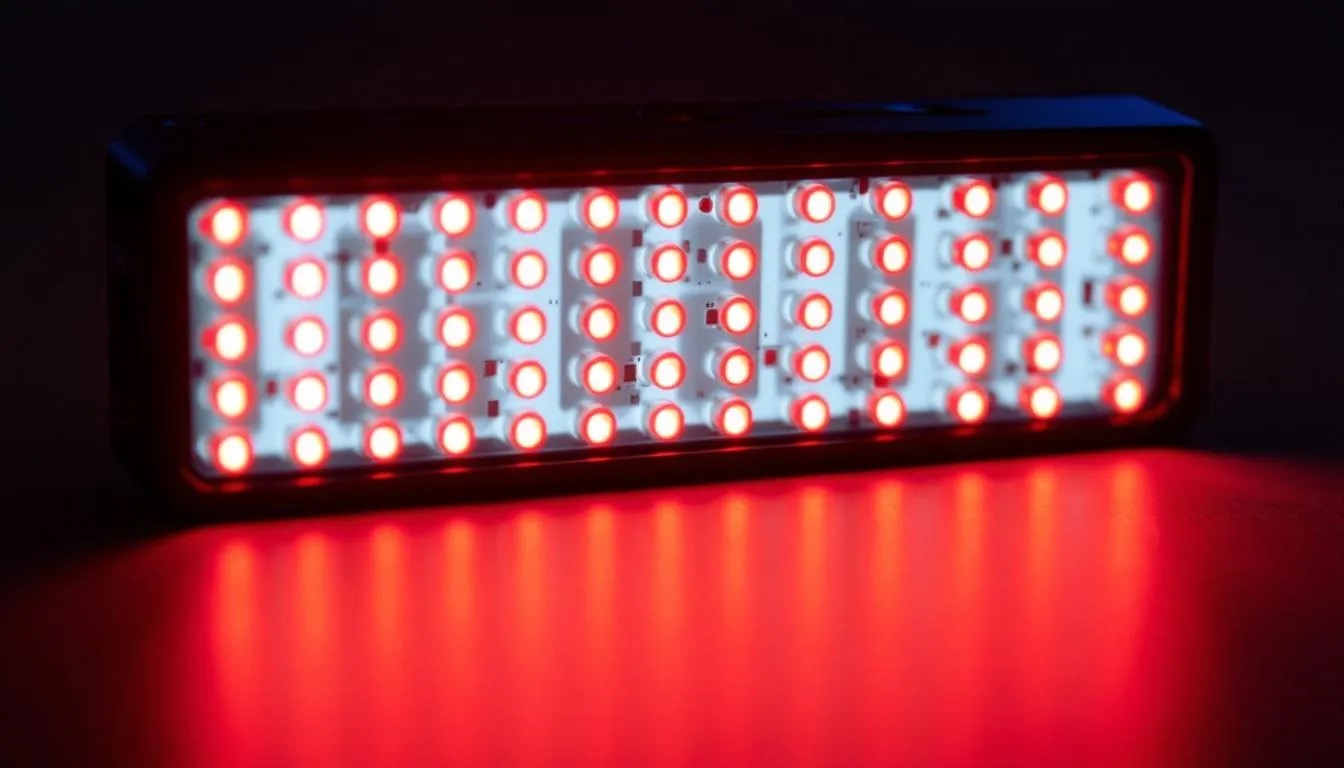
Eye safety during all protocols: The HG200 does not include eye protection. This is non-negotiable: never look directly at the LED array during operation. For treatments near the face, close your eyes or use dedicated eyewear. Our guides on red light therapy goggles and red light therapy glasses walk through your options. See also do you need eye protection for red light therapy for the evidence-based answer, which is: yes, for direct facial exposure.
Clothing and treatment: Remove clothing from treatment areas. Red and near-infrared light does not penetrate fabric effectively. This is confirmed in our article does red light therapy work through clothes. Always treat bare skin directly.
What users are actually saying
We analyzed a substantial cross-section of user reviews from multiple platforms. The patterns are consistent enough to be informative.
The majority of positive reviews come from users treating joint pain, particularly knees, hips, and shoulders. A common pattern: users with chronic pain that had been poorly managed by other approaches try the HG200 out of skepticism, then return to leave a positive review because they saw actual improvement. Pain reduction of 40-60% from a chronic baseline is the most commonly cited result in these reviews. These users tend to be consistent, using the device four or more times weekly for at least six weeks before reviewing.
Skin-focused users are split. Users in the over-50 age range tend to see subtle but real improvements in skin texture and fine line appearance after consistent eight-to-twelve week protocols. Younger users under 35 often report feeling little change, possibly because their baseline collagen levels are higher and changes are harder to perceive. Results from our reader community at SeekRedLight show similar patterns: older users with more to gain from collagen stimulation see more noticeable improvements.
Negative reviews cluster around three issues. First, failed expectations: users who expected dramatic visible changes in two to three weeks and found the results too subtle for their taste. Second, hardware failures: switches, fans, and occasionally LEDs that failed within the first three to six months. Third, dissatisfaction with build quality after seeing what they got for the price.
A recurring theme in negative reviews is not accounting for session duration. Many users follow minimal protocols, five to eight minutes at 18+ inches, producing doses far too low to drive biological effects. When reviewers share specific protocol details alongside negative results, inadequate dosing is the likely culprit far more often than device failure.
Neutral reviews often come from users who genuinely can't tell if the device is working because they haven't established comparison baselines. Taking before photos and tracking pain levels daily before starting would help these users identify changes they're currently missing.
The overall review sentiment is more positive than negative, particularly among users who followed consistent protocols for six-plus weeks.
The honest take on pros and cons
Let's skip the robotic bullet-point format and talk about this honestly.
The HG200's primary strength is its accessibility. It makes photobiomodulation available to people who genuinely can't spend five hundred dollars on a panel but want to try the therapy. And it delivers real doses of wavelengths with documented therapeutic effects. That's not nothing. That's actually the thing that matters most.
The irradiance is moderate but not weak. At 65-75 mW/cm² at 6 inches, you're working with output comparable to many devices that cost twice as much in earlier years of the consumer red light market. Sessions take a bit longer than with premium panels to hit equivalent doses, but you get there.
The compact size is genuinely useful. For users targeting specific joints, treating their face, or dealing with focused skin concerns, the HG200's footprint is appropriate. You don't need a full-body panel to treat your knees.
Where the HG200 disappoints is where all budget devices disappoint: construction quality, longevity, and consistency. The plastic feels thin. The fans are audible. The switch feels like it might eventually fail, and for some units, it does. There's no meaningful warranty backing the device. Quality control varies between manufacturing batches, meaning your specific unit might be better or worse than average.
The lack of EMF shielding is a real gap. If you're using this device daily at 6 inches for twenty-minute sessions, you're receiving consistent EMF exposure that premium panels with shielding would reduce substantially. It's not a safety crisis, but it's a genuine limitation worth knowing.
There's also the coverage issue. If you want to treat large body areas: the full back, both legs simultaneously, the entire abdomen, the HG200 becomes tedious. You'd need to run multiple sequential sessions to cover what a larger panel handles in one pass. That's a significant time commitment if your goals are comprehensive.
But here's the honest bottom line. For someone who wants to start red light therapy, test their response, and see real results without major investment, the HG200 is a legitimate option. The therapy works when the wavelengths are right and the protocols are correct. The HG200 delivers both. Just not as powerfully, reliably, or durably as devices that cost more.
You'll get results. They'll take longer to accumulate than with a premium panel. And the device might not last as long as you'd want. Those trade-offs are real. They're also reasonable for the price point.
Where to buy the HG200 and what to expect to pay
The HG200 sells across multiple platforms, and the source matters.
Amazon is the most common purchase channel. Current pricing runs $150 to $220 depending on the specific seller and any active discounts. Look for sellers with at least 200-300 reviews averaging 4.0 stars or better. Read the most recent reviews specifically, since quality can shift between production runs. Confirm the return window before buying: 30 days is the minimum acceptable, and Amazon's own A-to-z Guarantee provides a backstop if a seller is unresponsive.
eBay sometimes offers the HG200 10-15% cheaper than Amazon, but buyer protections are somewhat weaker and return processes more cumbersome. Only buy from sellers with established feedback scores above 98% positive.
Direct from manufacturer via Alibaba is an option but comes with complications. Minimum order quantities may apply. Shipping can take four to six weeks. And any warranty or support is effectively nonexistent at that level. Only worth pursuing if you're buying multiple units.
Branded resellers like Hooga sometimes sell comparable devices under their own brand with improved customer service and quality control checks. Expect to pay $200-280 for that additional service layer, but the peace of mind has value.
One thing to watch: listings claiming identical specs at significantly lower prices, especially under $130 for a "new" device. These often indicate either defective units, counterfeit listings using misleading photos, or older stock that has been sitting in a warehouse. The price range for a legitimate HG200 is roughly $150-220 in current retail.
When you receive your device, test it immediately within the return window. Look for even LED illumination across the entire panel surface. Confirm all three modes function. Listen for abnormal fan sounds: grinding or squealing suggests a defective fan bearing. If anything seems wrong, return it promptly.
Frequently asked questions
Does the HG200 actually work, or is red light therapy just a trend?
Red light therapy is not a trend. Photobiomodulation has over 40 years of published research behind it, with thousands of peer-reviewed studies covering wavelengths, mechanisms, dosing, and clinical outcomes. The question isn't whether the science is real, it's whether a specific device delivers adequate doses. The HG200 does deliver wavelengths in therapeutic ranges. Whether it works for your specific condition depends on consistent use, appropriate protocols, and individual response.
How does the HG200 compare to red light therapy at a gym or clinic?
Commercial devices used in gyms or clinics typically deliver higher irradiance from larger panels, which means faster treatment and broader coverage per session. For context, our guide on red light therapy at Planet Fitness describes what commercial systems look like. The HG200 can't match that output. But it also costs a fraction of a monthly membership and you own it forever.
Should I keep my eyes open or closed during treatment?
For any treatment within 18 inches of your face, keep your eyes closed or use protective eyewear. See our definitive guide on red light therapy eyes open or closed for the evidence-based answer. The short version: closed eyes are the minimum protection, dedicated goggles are better, especially for regular users.
Can I use the HG200 with retinol or other skincare actives?
Yes, with appropriate timing. Red light therapy and retinol can complement each other. See our guide on retinol and red light therapy for how to sequence them to avoid potential sensitivity issues. Generally, complete your red light session before applying actives.
What's the difference between red light therapy and infrared sauna for heat and wellness?
Different mechanisms, different applications. Red light therapy uses specific wavelengths to drive photobiomodulation. Infrared saunas use broad-spectrum infrared heat for circulation and detoxification. Our piece on red light therapy vs infrared sauna details the comparison thoroughly. You can actually use both, and many wellness enthusiasts do.
Is the HG200 safe during pregnancy?
The research on red light therapy during pregnancy is limited. Most practitioners recommend caution and avoiding use during pregnancy as a precautionary measure. See our article is red light therapy safe for pregnancy for the full evidence review.
How long until I see results with the HG200?
Expect a realistic timeline of four to six weeks for the first noticeable improvements in skin texture or pain reduction. Some users feel pain relief faster, within one to two weeks of daily use. Hair growth results take three to six months minimum. Dramatic results visible in photos typically require eight to twelve weeks of consistent use. Don't judge the device in the first two weeks.
Can I use the HG200 for fat loss or body contouring?
There's emerging research on near-infrared's effects on adipose tissue. Our article on red light therapy fat loss reviews the evidence, which is promising but not conclusive. The HG200's compact size limits its usefulness for large-area body treatments. Larger panels are more practical for body contouring applications.
Related guides
For more on devices and choosing the right equipment for your goals:
- HG300 red light therapy device reviews: The larger sibling to the HG200, reviewed in comparable depth. If you're deciding between the two, read both reviews.
- Red light panel vs mask: Panels versus facial masks: which format makes more sense for skin-focused users? A direct comparison with protocol guidance.
- Red light therapy goggles: If you're buying the HG200 for facial use, you need appropriate eye protection. This guide covers your options.
- Red light therapy beds for home use: If you want full-body coverage rather than targeted treatment, this guide covers the next tier of home devices.
- How long to do red light therapy: Getting protocols right matters as much as the device. This article covers optimal session duration for different goals.
Sources and further reading
The science behind photobiomodulation is well-documented. For those who want to go deeper:
- Photobiomodulation: The Clinical Applications of Low-Level Light Therapy, PubMed Central: A comprehensive review of clinical photobiomodulation research, covering mechanisms, wavelengths, and dose-response relationships.
- World Association for Photobiomodulation Therapy (WALT): The professional organization for photobiomodulation research and practice, with published dosage recommendations and clinical guidelines.
- Hamblin MR. Mechanisms and applications of the anti-inflammatory effects of photobiomodulation, AIMS Biophysics: Detailed examination of how red and near-infrared light modulates inflammatory pathways.
In case I don't see you, good afternoon, good evening, and good night. May your wavelengths stay therapeutic, your sessions stay consistent, and your results keep building. Explore SeekRedLight for comprehensive guides and tools to optimize your red light therapy.