Red light body contouring: how it works and results
Red light body contouring uses 635-660nm wavelengths to shrink fat cells and reduce inches. Learn the science, protocols, and realistic results before you start.
You've probably heard that red light can do something to fat. The claim sounds almost too convenient: lie under some red LEDs for a few minutes and lose inches. No surgery, no needles, no downtime. Of course skepticism is the right response.
But here's the thing. The mechanism is real, it's been studied in peer-reviewed journals, and the FDA has cleared multiple red light devices specifically for body circumference reduction. That doesn't mean it's magic. It doesn't work the same way for everyone, and it's definitely not a weight loss treatment. But for inch loss, improved contour, and skin quality in targeted areas, the evidence is solid.
This guide covers everything you need to know about red light body contouring: the cellular science behind it, which wavelengths actually matter, what protocols produce results, how it compares to alternatives like CoolSculpting and laser lipo, and what realistic expectations look like. By the end, you'll know whether this is something worth trying for your specific goals.
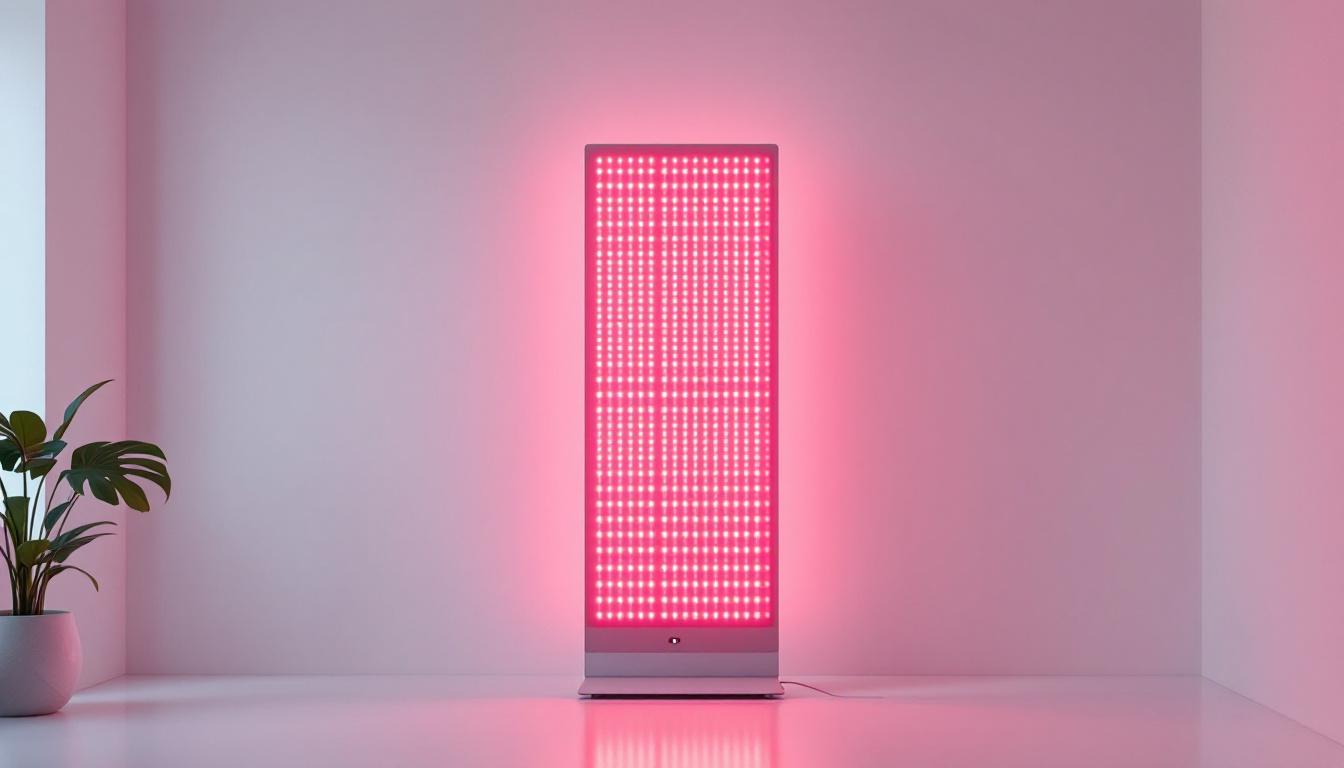
What is red light body contouring?
Red light body contouring is a non-invasive procedure that uses specific wavelengths of red and near-infrared light to temporarily alter fat cells, causing them to release their stored triglycerides. The fat doesn't disappear. It leaks out of the cell, enters the interstitial space around your tissue, and your body's lymphatic system gradually clears it.
The result isn't measured on a scale. It shows up as reduced circumference, usually in the waist, hips, or thighs. That distinction matters a lot. People often confuse red light body contouring with weight loss treatment, and they're different things. The number on your scale might not change at all. But your measurements might.
Red light body contouring goes by several names depending on the clinic and device: low-level laser therapy (LLLT) for body contouring, low-level light therapy (LLLT), photobiomodulation (PBM) body contouring, and sometimes just "red light sculpting." The underlying mechanism is the same across all of them.
The most studied brand in this space is Zerona, which uses Erchonia's cold laser technology at 635nm. But the field has expanded significantly, and you'll now find a range of devices from handheld panels to full-body pods. Understanding the underlying science helps you evaluate any device, regardless of the brand name on the front.
Red light body contouring is also fundamentally different from treatments that destroy fat cells. CoolSculpting (cryolipolysis) kills fat cells by freezing them. Laser lipo and radiofrequency treatments heat and destroy cells. Red light, by contrast, creates a temporary, reversible effect. The fat cell isn't destroyed. It releases its contents, deflates like a balloon, and can theoretically refill if you continue overeating. Which is why lifestyle factors still matter enormously.
Learn more about how red light therapy works at the cellular level and compare it to other body contouring approaches.
The cellular science: what actually happens inside fat cells
The mechanism behind red light body contouring is surprisingly specific. It starts with photoreceptors inside fat cells called adipocytes.
Fat cells, like all cells, contain mitochondria. When red and near-infrared light penetrates tissue and reaches the adipocyte membrane, it interacts with light-sensitive components in and around the cell. At wavelengths around 635nm to 680nm, light activates cytochrome c oxidase (CCO), a key enzyme in the mitochondrial electron transport chain. This triggers a cascade of intracellular signaling events.
One of those events involves the cell membrane becoming transiently permeable. Temporary pores form in the lipid bilayer of the fat cell. Through these pores, triglycerides, the main storage form of fat, leak out into the interstitial space between cells.
Here's the thing most people don't realize: the fat cell doesn't die or burst. It deflates. The cell membrane closes, the temporary pores reseal, and the empty (or partially empty) cell remains intact. The released triglycerides travel through lymphatic vessels, enter the bloodstream, and are either burned as fuel during physical activity or processed by the liver.
This is why exercising after red light body contouring treatment is often recommended. The released triglycerides need to go somewhere. If they're not metabolized through movement, some research suggests they may be reabsorbed into fat cells nearby. Most protocols include 10-30 minutes of moderate cardio immediately following treatment.
The research confirming this mechanism includes a pivotal 2002 study by Neira and colleagues, which showed using electron microscopy that 635nm laser exposure caused measurable changes in adipocyte morphology. In 2010, a randomized controlled trial published in Lasers in Surgery and Medicine demonstrated that Erchonia's 635nm laser reduced waist, hip, and thigh circumference significantly compared to sham treatment. Subsequent studies have replicated and built on these findings.
Read the complete science of photobiomodulation and fat metabolism for a deeper look at the research literature.
Cytochrome c oxidase and the light pathway
If you want to understand why specific wavelengths matter, you need to understand cytochrome c oxidase (CCO). It's the terminal enzyme in the mitochondrial respiratory chain, and it has absorption peaks at very specific light wavelengths: around 620nm, 665nm, 811nm, and 970nm.
These peaks correspond closely to the wavelengths used in effective photobiomodulation devices. Red light around 630-680nm hits the first two absorption peaks. Near-infrared around 800-850nm hits the third. This isn't a coincidence. Researchers mapped these peaks and used them to identify which wavelengths would most effectively drive cellular responses.
At the absorption peak, CCO absorbs photon energy and converts it into chemical energy. This increases mitochondrial ATP production, reduces reactive oxygen species, and triggers nitric oxide release. Nitric oxide, interestingly, is also a vasodilator. It improves local blood flow and helps clear the released lipids more efficiently.
The body is remarkably responsive to these specific wavelengths. Step 10nm off the absorption peak and you get a measurably weaker response. This is why "red light" from a random bulb at the hardware store won't produce body contouring effects. The wavelength has to be dialed in.
Which wavelengths are most effective for body contouring
For body contouring specifically, the evidence points to 635nm to 660nm as the sweet spot for targeting adipocytes. Here's why these specific wavelengths matter so much.
635nm: the most studied wavelength
The majority of body contouring research has been done with 635nm laser devices, particularly the Erchonia Zerona. The Zerona was the first device to receive FDA clearance specifically for body circumference reduction, which happened in 2010. The clinical trials supporting that clearance used 635nm.
At 635nm, light penetrates roughly 1-3cm into tissue, depending on skin pigmentation, fat thickness, and the tissue type it passes through. This is enough to reach the superficial fat layers directly under the skin, which is exactly where body contouring treatments work best.
Studies using 635nm report circumference reductions of 2-5cm per measurement site after a full course of treatment, typically 6-12 sessions.
650-680nm: the wider effective range
More recent research has expanded the effective range to include 650-680nm. Devices in this range show similar mechanisms to 635nm, with slightly different tissue penetration characteristics. The 650-680nm range is more commonly found in LED panels (as opposed to lasers), which can cover larger surface areas simultaneously.
The key distinction: 635nm is a laser wavelength (coherent, monochromatic light) while 650-680nm is more commonly found in LED devices. Both can be effective, but they deliver energy differently. Lasers are focused. LEDs spread their energy over a broader area. For body contouring, coverage matters as much as intensity, which is why larger panel and pad devices can work well even without laser-level intensity at any single point.
Near-infrared for enhanced results
Many modern body contouring devices combine red wavelengths (635-660nm) with near-infrared (800-850nm). The near-infrared component doesn't target fat cells directly. Instead, it stimulates collagen production in the dermis, improves local circulation, reduces inflammation, and supports skin tightening.
This combination is particularly valuable because one cosmetic concern with fat loss methods is skin laxity: the skin doesn't always tighten in proportion to the volume loss underneath. The near-infrared component helps address this by stimulating the fibroblasts in the dermis to produce new collagen and elastin.
Compare red light vs near-infrared and understand the difference for a full breakdown of wavelength properties.
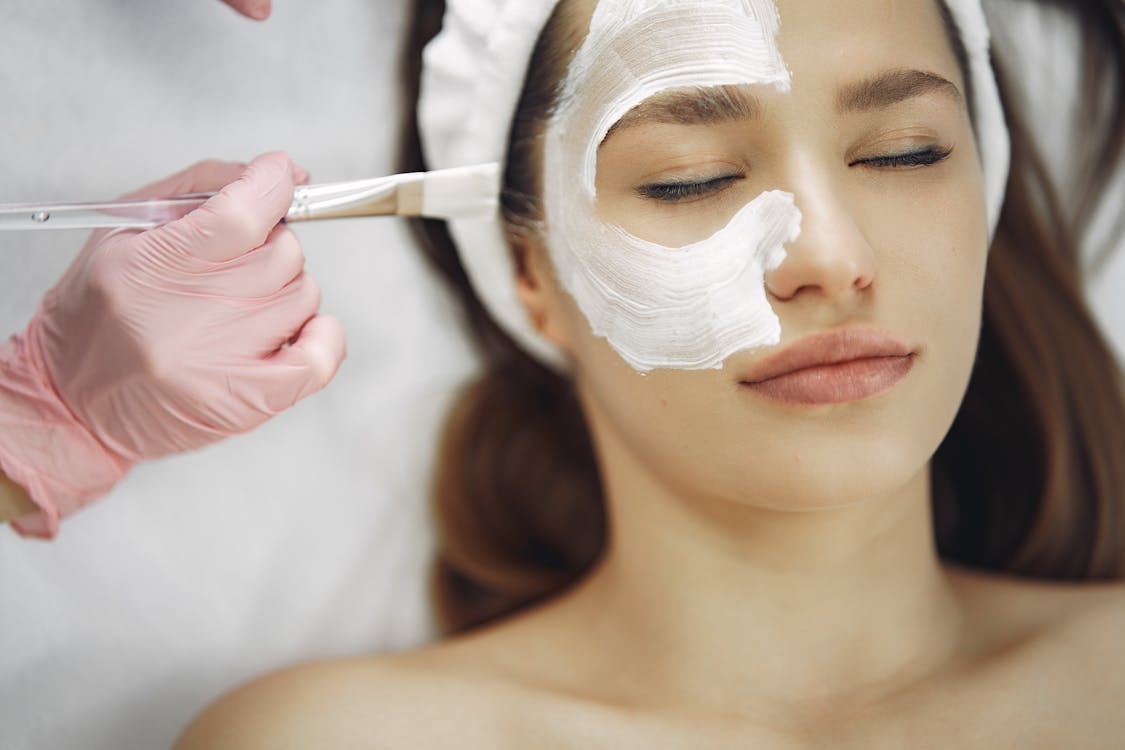
Device types: pads, belts, panels, and pods
One of the most confusing aspects of red light body contouring is the sheer variety of device formats. Understanding what each type does helps you choose the right option.
Laser pad systems (professional clinic devices)
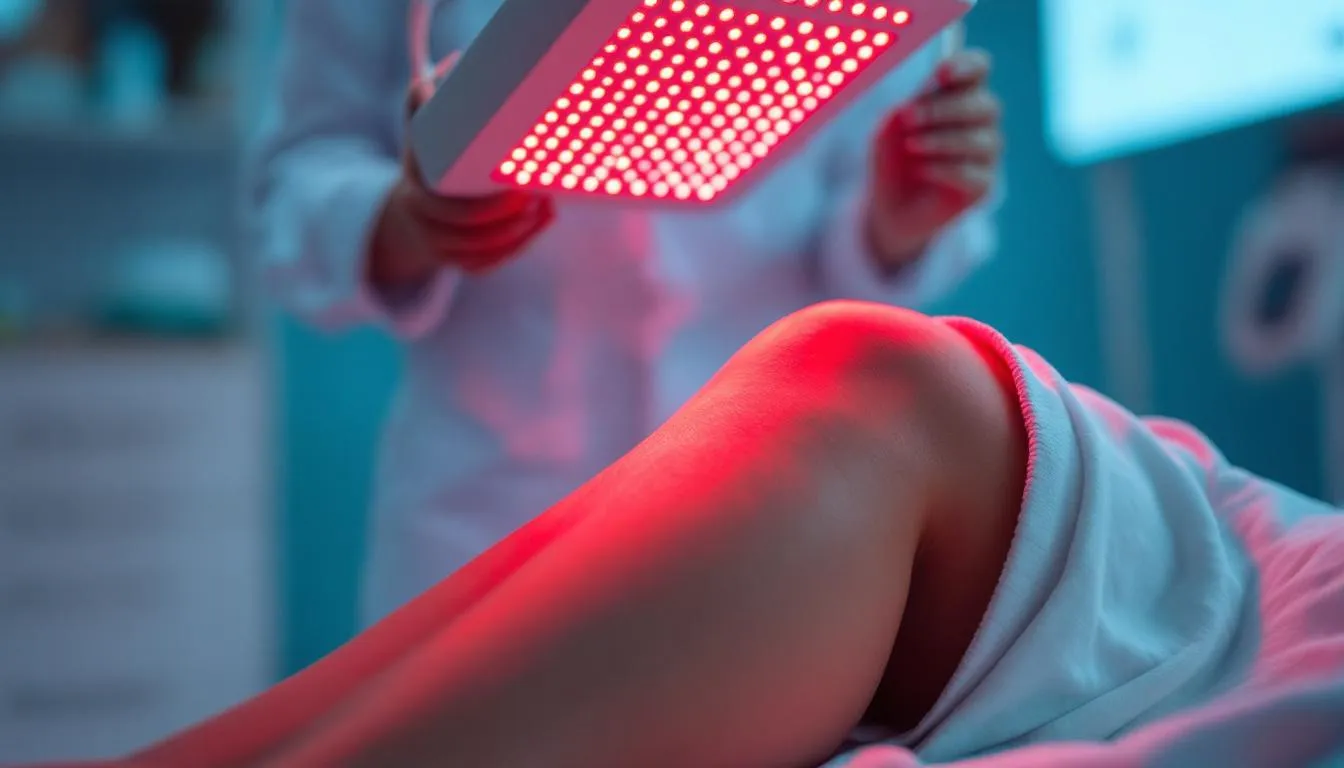
The original body contouring devices, like the Zerona, use rotating laser heads that scan the treatment area. Clinic-grade laser pad systems work differently: they use arrays of laser diodes embedded in flexible pads that conform to body contours. These pads are strapped directly to the treatment area, waist, hips, thighs, or arms, for 10-20 minute sessions.
Laser pad systems deliver high irradiance at precise wavelengths, which is why clinical results from these systems are well-documented. Brands in this category include Lapex BCS, iLipo, and Strawberry Laser.
Professional laser pad sessions typically cost $50-200 per session, with full courses running $500-2000 depending on treatment areas and number of sessions.
LED panel systems
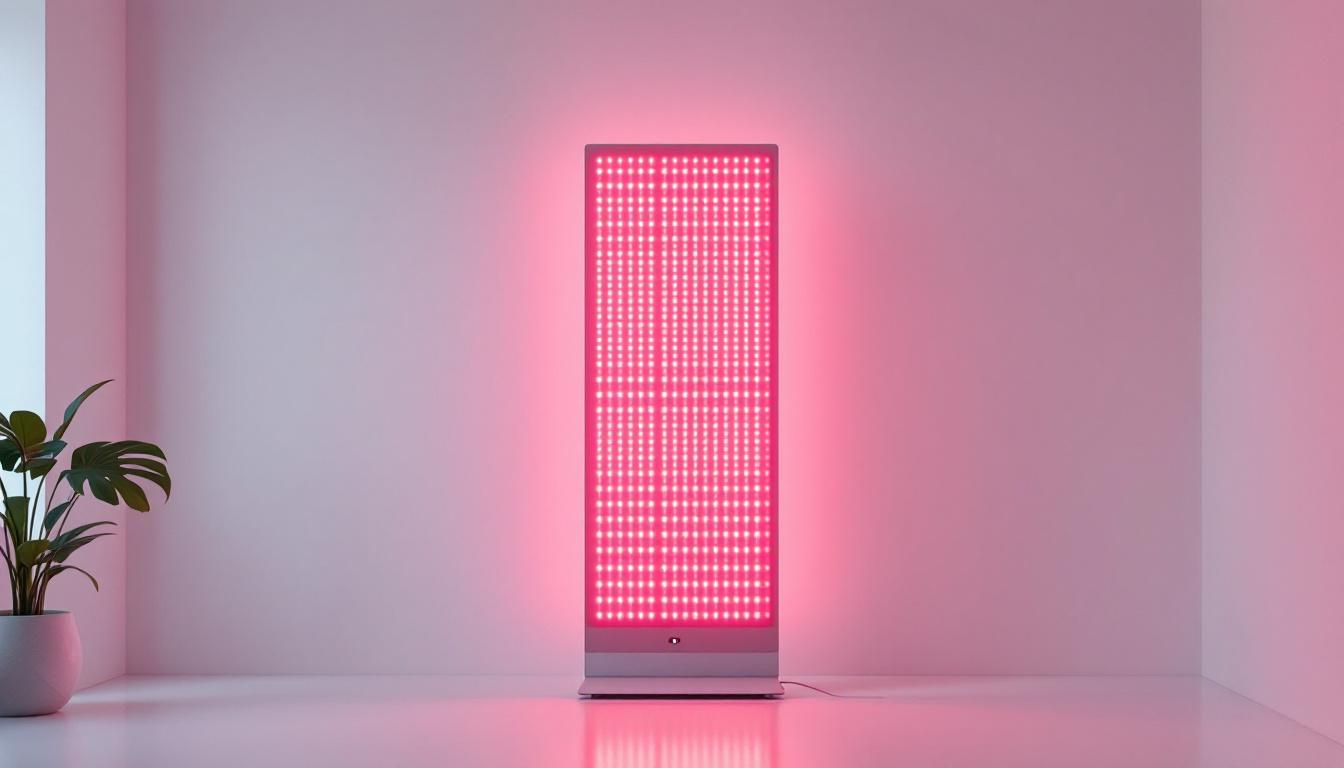
LED panel devices are the most common type available for home use. They typically hang or stand and emit broad-coverage red and near-infrared light. You position yourself in front of or beneath them for treatment sessions.
LED panels are less targeted than laser pads but can cover much larger areas simultaneously. A full-body panel, for example, can treat the entire torso front or back in a single 10-20 minute session. They're also significantly more affordable for at-home use.
The tradeoff is irradiance. LED panels deliver lower energy density at any single point compared to laser pads pressed directly against skin. But for maintenance, complementary treatment, and supporting results from professional sessions, LED panels are genuinely useful.
Body wraps and belt devices
Red light body contouring wraps and belts are flexible, wearable devices that wrap around specific body areas. They deliver LED light directly against the skin at close range, which maximizes irradiance compared to panels held at a distance.
Belt devices are popular for targeting the abdomen and waist specifically. Results from belt devices are less extensively studied than clinic systems, but the mechanism is the same. The quality varies enormously, so checking wavelength specifications matters when evaluating any belt product.
Full-body pods and capsules
The newest category is full-body light therapy pods, enclosed units that surround the entire body. These deliver red and near-infrared light to the full body surface simultaneously. Some incorporate heat (infrared sauna elements) along with the photobiomodulation wavelengths.
Full-body pods are mostly found in upscale wellness centers and biohacking facilities. Per-session costs run $75-150. They offer the broadest coverage but are the least targeted option for specific problem areas.
Choosing between options
If you're working on a specific area, targeted approaches (laser pads, belt devices) make the most sense. If you want comprehensive body treatment and skin quality improvement, panels or pods are better. Many people use professional clinic sessions for the initial course and home LED panels for maintenance.
Explore home-use red light therapy bed options to see what's available for at-home treatment.
Treatment protocol: sessions, frequency, and positioning
Getting the protocol right matters more than most people realize. Underdosing gets no results. Overdosing, interestingly, can also reduce effectiveness due to a phenomenon called biphasic dose response.
Session frequency
The most well-supported protocol for red light body contouring is:
3 sessions per week for 4-6 weeks (12-18 total sessions for a full course)
Some protocols use twice weekly with extended timeframes. The key is consistency. Missing sessions breaks the cumulative effect that comes from repeated adipocyte stimulation.
After the initial course, maintenance sessions once or twice weekly help sustain results. Without any maintenance and without lifestyle adjustments, fat cells can gradually refill over months.
Session duration
Standard session duration is 10-20 minutes per area. With clinic pad systems pressed directly to skin, 10-15 minutes is often sufficient due to the high irradiance delivered at close contact. With LED panels at 5-30cm distance, 15-20 minutes is more common.
For belt or wrap devices worn directly on skin, 20 minutes is the typical target.
The biphasic dose response is worth understanding here. In photobiomodulation research, there's a consistent finding: more light isn't always better. At optimal doses, cells respond positively. Below optimal, you get weak effects. But above the optimal dose, the response actually diminishes. This is called the Arndt-Schulz law or the biphasic dose response. It means that doubling your session time doesn't double your results. In some studies, it reduces them.
Practical implication: stick to the recommended session duration rather than assuming longer is better.
Positioning for body contouring
For professional clinic devices, positioning is managed by the technician. For home use with panels:
Waist and abdomen: Position yourself sitting or standing 5-15cm from the panel. Target the front of the abdomen for one session, the sides for another. Rotate to ensure complete coverage.
Hips and thighs: Lie on your side with the panel at 5-15cm distance, or stand in front of a full-body panel.
Back and flanks: Lie face down with the panel above you, or position yourself with your back to a standing panel.
Some people rotate through multiple areas per session. If you're doing this, keep total session time in the 20-30 minute range rather than pushing to 40+ minutes.
The post-treatment exercise window
This is genuinely important and often overlooked. After red light body contouring treatment, adipocytes have released triglycerides into the interstitial space. These free fatty acids need to be transported and metabolized.
Exercise within 30-60 minutes of treatment activates the lymphatic system, increases blood flow to adipose tissue, and creates energy demand that the body preferentially fills with the newly released fatty acids. Studies that include post-treatment exercise show meaningfully better circumference reduction compared to light therapy alone.
10-30 minutes of moderate cardio, walking, cycling, or light jogging, is sufficient. You don't need an intense workout. Just enough movement to get your circulatory and lymphatic systems working.
Review the complete guide to red light therapy treatment duration for dosing principles that apply across all red light applications.
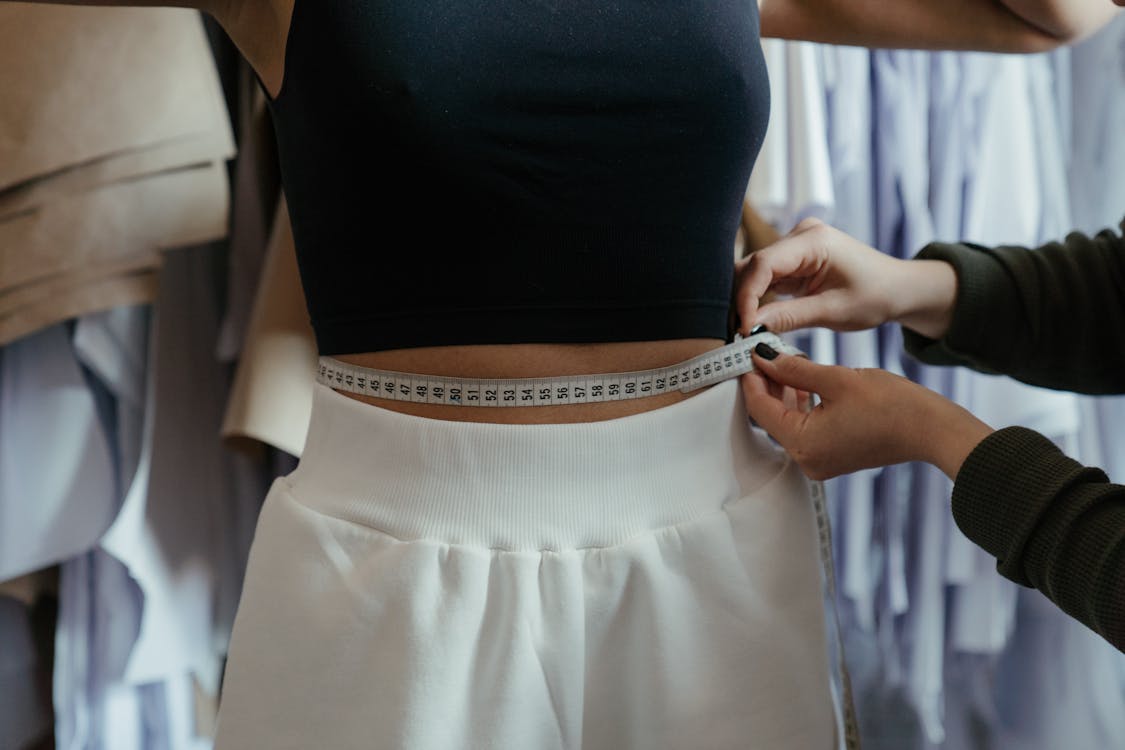
Results: what to realistically expect
Let's be direct about what red light body contouring can and can't do. Expectations set here will save you from disappointment or from dismissing something that could genuinely help.
What results look like
In clinical trials with well-controlled protocols, participants typically see:
- 2-5cm reduction in waist circumference over a full 6-week course
- 1-3cm reduction in hip circumference per side
- 1-4cm reduction per thigh with direct treatment
- Improved skin texture and firmness in treated areas (from collagen stimulation)
These are average results from clinical populations. Individual variation is significant. People with higher baseline body fat percentages tend to see more dramatic circumference reduction. Leaner individuals see smaller changes in raw centimeters.
Body weight typically doesn't change significantly. This surprises people, but it makes sense: the total volume of fat that gets processed over a full course represents a relatively small caloric equivalent. You're not burning thousands of extra calories. You're redistributing and metabolically clearing a modest amount of stored fat.
Timeline of visible changes
Weeks 1-2: Most people don't notice visible changes yet. Changes may be measurable but aren't usually visible to the naked eye.
Weeks 3-4: Circumference measurements typically show first significant reductions. Some people notice clothing fitting differently, particularly in the waist.
Weeks 5-8: Visible changes become apparent. Waist definition improves. Treated areas look smoother. Skin quality often improves noticeably.
Weeks 8-12 (post-treatment): If you've followed the protocol and maintained lifestyle factors, results continue to hold or gradually improve as the body processes released lipids.
Without maintenance sessions and without dietary awareness, results can fade over several months. Fat cells refill. This isn't a permanent structural change the way surgical methods are.
Factors that influence results
Diet during treatment: If you're consuming significantly more calories than you burn during the treatment course, the released fatty acids may simply get reabsorbed elsewhere. You don't need to crash diet, but staying roughly at maintenance calories or in a modest deficit supports results.
Hydration: Lymphatic clearance depends heavily on hydration. Dehydration slows the removal of released lipids. Drinking adequate water throughout your treatment course genuinely matters.
Exercise: As discussed above, post-treatment movement dramatically affects results. This is one of the most modifiable variables.
Skin tone and pigmentation: Darker skin pigmentation absorbs some red wavelengths before they reach deeper tissue. Devices need to be held closer or sessions slightly extended to account for this. Well-designed clinical protocols adjust for this.
Fat layer thickness: Very thick subcutaneous fat absorbs more light before it reaches deeper layers. Multiple sessions at different positions around the area help address this.
Before and after: honest expectations
See comprehensive before and after results from red light mask and body treatments and face-specific before and after data for a realistic picture of what changes look like.
The before and after photos you see in marketing are typically from ideal responders: people who followed the full protocol, exercised after sessions, maintained good hydration, and had body composition profiles that respond well to treatment. They're real results. But they're not universal results.
Realistic before and after for a typical person: visible waist definition improvement, smoother skin texture, 2-4 inches cumulative reduction across treated areas. That's meaningful. It's also not the dramatic transformation shown in the best-case marketing images.
Red light body contouring vs. other fat reduction methods
Understanding how red light stacks up against alternatives helps you make an informed decision about what fits your goals and situation.
Red light vs. CoolSculpting (cryolipolysis)
CoolSculpting works by freezing fat cells to temperatures that trigger cell death. Unlike red light, which causes fat cells to release contents and survive, CoolSculpting permanently destroys the treated fat cells. Those cells are gone.
CoolSculpting advantages: Permanent reduction in fat cell count. More dramatic results per treatment cycle in targeted areas. One or two sessions can replace a full course of red light sessions for some people.
CoolSculpting disadvantages: Costs significantly more per session ($700-1500 per applicator placement). Involves suction discomfort during treatment and several weeks of post-treatment swelling and numbness. Risk of paradoxical adipose hyperplasia (PAH), a rare but serious complication where fat cells grow larger rather than shrinking, affecting approximately 1 in 3,000-10,000 treatments.
Red light advantages: No discomfort. No downtime. No tissue trauma. Can improve skin quality and collagen at the same time. Much lower per-session cost.
Red light disadvantages: Fat cells survive and can refill. Results require consistent sessions. Less dramatic per-session results compared to CoolSculpting's fat cell destruction.
Compare red light therapy to CoolSculpting directly for a thorough side-by-side analysis.
Red light vs. laser liposuction
Laser lipo (Smartlipo, SlimLipo) uses thermally active laser energy delivered via a cannula inserted through small incisions to liquefy fat before aspiration. It's a minimally invasive surgical procedure.
Laser lipo permanently removes fat and can address areas that don't respond well to non-invasive methods. But it requires anesthesia, recovery time, and carries surgical risks. Cost runs $3,000-8,000 per area.
Red light body contouring and laser lipo aren't really competing for the same customer. If you need significant, permanent fat reduction in a specific area and are willing to undergo a minimally invasive procedure, laser lipo is appropriate. If you want a non-invasive option with no downtime for modest to moderate improvements, red light is appropriate.
Some integrative wellness practices even combine both: laser lipo for larger volume reduction and red light therapy post-procedure to accelerate healing, reduce inflammation, and improve skin quality. Learn how red light aids recovery after surgery for a sense of its tissue healing effects.
Red light vs. radiofrequency (RF) body contouring
Radiofrequency treatments (Thermage, Morpheus8, Exilis) heat the deep dermis and subcutaneous tissue to stimulate collagen remodeling and, at higher intensities, destroy fat cells. RF body contouring is excellent for skin tightening and works well for people with mild fat deposits and loose skin.
RF tightens skin more aggressively than red light but involves more discomfort and higher per-session cost. It doesn't create the same adipocyte membrane permeability effect as red light. The two technologies work differently enough that many clinics offer combined red light and RF protocols.
Red light vs. ultrasound cavitation
Ultrasound cavitation uses focused ultrasound energy to create microbubbles within fat tissue. These bubbles implode and physically disrupt fat cell membranes, releasing triglycerides similar to (but more aggressively than) red light therapy.
Cavitation results are more dramatic per session than red light but involve more tissue disruption. Some people experience temporary fluid retention and tenderness after sessions. It's not painful but feels different from red light, which most people don't feel at all.
Combination protocols using both red light and cavitation are popular in medical spas because the two mechanisms complement each other.
Who benefits most from red light body contouring
Not everyone responds equally well to red light body contouring. Understanding who is a strong candidate helps set realistic expectations.
Best candidates
People within 10-20 lbs of their goal weight see the most satisfying results. Red light body contouring works best on the stubborn, moderate deposits that don't respond well to diet and exercise alone. If you're significantly overweight, the treatment can help, but lifestyle factors become more important and results may be slower.
People with specific contour concerns rather than overall weight issues. If you've lost weight but have persistent volume in specific areas, particularly the lower abdomen, love handles, inner thighs, or arms, targeted red light treatment can refine those areas.
People who exercise regularly or are willing to implement post-treatment exercise. This is genuinely important. If you won't or can't move after treatment sessions, a meaningful part of the protocol's mechanism is lost.
People with realistic expectations about non-surgical results. Inch loss and improved contour, not dramatic body transformation.
Who may see limited results
People with very low body fat won't have significant adipocyte volume to release. This doesn't mean the treatment does nothing (skin quality and collagen benefits still apply), but circumference reduction will be minimal.
People who are significantly overweight may find that the modest circumference reductions from red light contouring are less noticeable against a larger baseline. The mechanism works, but the visible impact is proportionally smaller.
People with certain medications or conditions should consult their physician. Anticoagulants, photosensitizing medications, active cancer, and pregnancy are typical contraindications for photobiomodulation treatments.
Safety profile
Red light body contouring has an excellent safety profile in the published literature. There's no ionizing radiation, no thermal damage to tissue, no known systemic side effects. The FDA clearances for 635nm devices for body circumference reduction reflect the documented safety across clinical trials.
The main risk is setting unrealistic expectations. People who go in expecting dramatic results and see modest circumference reduction are disappointed. But the treatment itself is genuinely safe.
Understand the overall safety considerations for red light therapy and whether specific situations require extra caution.
Combining red light body contouring with other treatments
Red light body contouring often works better as part of a broader wellness protocol than as a standalone treatment.
Pairing with lymphatic drainage massage
Lymphatic drainage massage stimulates the lymphatic system to move fluid and clear metabolic waste. After red light body contouring, the released triglycerides need lymphatic transport. Combining red light sessions with lymphatic drainage on the same day accelerates clearance significantly.
Many upscale body contouring programs include both in the same appointment: red light treatment followed by 20-30 minutes of lymphatic drainage massage. Learn how red light therapy supports the lymphatic system and why this pairing works.
Combining with infrared sauna
Infrared saunas increase core body temperature, accelerate metabolism, and promote sweating, all of which support clearance of the triglycerides released by red light treatment. The heat stress from infrared sauna also triggers heat shock proteins that support cellular repair and collagen production.
Some people do red light body contouring immediately before an infrared sauna session. The sequence matters: light therapy first, then sauna. Compare red light therapy and infrared sauna to understand how they work together and whether combining them makes sense for your goals.
Adding red light for skin quality
One underappreciated benefit of body contouring programs is that the red and near-infrared light simultaneously improves skin quality in treated areas. Collagen synthesis increases, skin texture improves, and hyperpigmentation can fade. If you're treating areas where you also have stretch marks or textural concerns, understanding how red light addresses hyperpigmentation gives you a sense of the dual benefits.
Diet and hydration support
We keep coming back to this because it matters. Red light body contouring works through a metabolic mechanism that depends on your body's ability to clear the released lipids. That requires:
A rough caloric maintenance or modest deficit so released fat doesn't immediately get replaced by newly stored fat. Adequate hydration (2-3L water daily during a treatment course) to support lymphatic function. Consistent physical activity, especially post-session cardio.
None of this is extreme. But the treatment won't compensate for a diet that consistently exceeds caloric needs or for complete sedentary behavior.
Retinol and topical support
For the skin quality component of body contouring, combining red light with topical retinoids or antioxidant serums can enhance collagen remodeling. Learn how red light and retinol interact to make the most of both.
Microneedling for stubborn textural concerns
Microneedling creates controlled micro-injuries that amplify collagen remodeling in the dermis. When done before or after red light sessions, the photobiomodulation effect enhances healing and collagen production beyond what either treatment achieves alone. Red light after microneedling is increasingly common in medical spa protocols.
At-home vs. professional red light body contouring
Professional clinic sessions and at-home devices both have genuine merit. The right choice depends on your budget, goals, and lifestyle.
Professional clinic sessions: advantages
Higher irradiance and clinical-grade wavelengths. Clinic devices, especially laser pad systems, deliver energy more precisely and efficiently than most home devices. If you want to mirror the protocols from clinical trials, professional systems come closest.
Structured protocols with expert guidance. Clinicians know how to position pads, adjust session parameters, and combine treatments effectively. If you're new to body contouring or have complex concerns, professional guidance is valuable.
Accountability and monitoring. Measurement tracking and session scheduling at a clinic creates accountability. Many people are more consistent with in-person appointments than home protocols.
Disadvantages: Cost ($75-200/session), time for appointments, travel, and the need to find a reputable provider.
At-home devices: advantages
Accessibility and convenience. You can treat yourself daily if appropriate, without scheduling or travel. For maintenance after a professional course, home devices are practical and cost-effective.
Long-term cost efficiency. A quality home LED panel runs $300-800. After 4-10 uses, it's cheaper than clinic sessions. For people who maintain consistent use, the economics favor home devices over time.
Flexibility for multiple areas. At home, you can rotate through waist, hips, thighs, and other areas in the same session.
Disadvantages: Lower irradiance than clinic devices. Less guidance on protocol. Requires self-discipline. Device quality varies enormously, and cheap LED devices often don't deliver the wavelengths or power they advertise.
Explore red light therapy beds and panels for home use to understand what to look for in at-home body contouring devices.
Finding a reputable provider
If you choose professional treatment, look for providers who:
- Specify the device they use and its FDA clearance status
- Use wavelengths in the 635-680nm range for body contouring
- Include post-treatment exercise in the protocol (or actively recommend it)
- Offer realistic outcome expectations (not promises of dramatic transformation)
- Track measurements across your treatment course
Avoid providers who offer just one or two sessions and claim it's sufficient for lasting results. The science supports multi-week courses, not single treatments.
Red light therapy at Planet Fitness represents one accessible option for people looking for affordable, regular access to red light equipment in a gym setting.
What to look for in at-home devices
For home use specifically focused on body contouring:
Wavelength: Look for red at 630-670nm specifically. Near-infrared at 800-850nm as a complement. Avoid devices that only list "LED light" without specifying wavelength.
Power density (irradiance): Measured in mW/cm². Look for at least 50-100 mW/cm² at 15cm distance for meaningful body contouring effects. Many cheap devices deliver 5-20 mW/cm², which is insufficient.
Size: For body contouring, coverage matters. Larger panels (12"x24" or bigger) treat meaningful surface area per session. Small handheld devices are better for targeted spot treatment.
Device type: For body wraps and belts, ensure they specify wavelength and confirm clinical-range power output. Many "body contouring belts" on the market use heat pads or trivially low-powered LEDs.
How long does red light body contouring take to work?
Patience is probably the hardest part of this protocol. Red light body contouring doesn't produce visible results in a single session or even in the first week or two.
Here's a realistic timeline based on clinical data:
Session 1-3: No visible change. Cellular changes are happening at the adipocyte level, but they're not visible. Measurements may be unchanged.
Sessions 4-6 (weeks 2-3): Measurable circumference reductions begin. Individual variation here is significant. Some people see changes early; others lag until week 4.
Sessions 7-12 (weeks 3-4): Most people see clear circumference reductions with consistent measurement. Clothing fits differently. Areas look smoother.
Sessions 12-18 (weeks 4-6): Full-course results. Maximum circumference reduction from this treatment course. Some people continue seeing improvements for 2-3 weeks after the final session as the body continues clearing released lipids.
Post-treatment (weeks 6-12): With maintenance sessions and continued lifestyle support, results hold or improve slightly. Without maintenance and with caloric excess, fat cells gradually refill over months.
Understand how long red light therapy takes to work across different applications and what drives variation in response time.
Red light body contouring for the abdomen specifically
The abdomen is the most common treatment target and the area with the most clinical research behind it. It's also where the treatment can be most impactful because abdominal subcutaneous fat is highly accessible to red wavelengths and responds relatively well to the adipocyte permeability mechanism.
Abdominal body contouring with red light is distinct from reducing visceral fat (the fat around your organs that drives metabolic disease). Red light therapy works on subcutaneous fat, the soft fat you can pinch. Visceral fat is not effectively targeted by red light.
This means red light body contouring is appropriate for people with subcutaneous abdominal fat but not for people primarily dealing with metabolic obesity. If you're not sure which type of abdominal fat is your primary concern, a physician can assess this.
For treating the abdomen, the typical approach is:
Front of abdomen: direct panel or pad exposure for 15-20 minutes, 3x weekly. Flanks/love handles: side-lying position or lateral pad placement. Lower abdomen: specific attention here as this area tends to hold subcutaneous fat most persistently, especially post-pregnancy.
Combining abdominal red light treatment with core strengthening exercises creates a complementary effect: the light helps release stored fat from adipocytes, and the muscle building changes the underlying structure of the abdominal area.
Addressing cellulite with red light
Cellulite is structurally different from simple subcutaneous fat. The dimpled appearance comes from fibrous connective tissue bands (septae) pulling down on overlying skin, creating the uneven surface. Red light body contouring addresses the fat component but not the fibrous septae directly.
That said, red light does help with cellulite in several ways. Collagen stimulation in the dermis improves skin elasticity and thickness, which reduces the visibility of the dimpling. Improved circulation helps reduce fluid retention in affected areas. And the reduction in adipocyte volume under the affected areas makes the dimpling less pronounced.
Most clinical studies on red light and cellulite report meaningful improvement in appearance rather than complete elimination. The severity grade of cellulite typically improves by one grade (e.g., from grade 3 to grade 2) over a treatment course.
Understand the complete picture of red light therapy for cellulite and what protocols are most effective for this specific concern.

SeekRedLight's perspective on red light body contouring
At SeekRedLight, we've reviewed the clinical literature extensively and spoken with practitioners who specialize in photobiomodulation for body contouring. Here's our honest summary.
Red light body contouring works. The mechanism is real, the FDA clearances are legitimate, and the clinical data shows meaningful circumference reduction in controlled settings. It's not a weight loss miracle and it's not a replacement for surgical fat removal. But as a non-invasive, side-effect-free method for improving body contour and skin quality, it has a solid evidence base.
The biggest factors that determine whether you'll see results:
- Protocol adherence (session frequency and duration)
- Post-treatment exercise
- Hydration
- Caloric balance
- Device quality (wavelength accuracy and adequate irradiance)
Treat these as a system, not individual variables. A perfect device with no post-treatment movement delivers mediocre results. Consistent sessions with the right protocol and lifestyle support delivers the results the clinical trials show.
Explore all of SeekRedLight's guides on red light therapy protocols, devices, and science to build a comprehensive understanding of photobiomodulation and how to use it effectively.
Frequently asked questions
Does red light therapy actually reduce body fat?
Red light at 635-660nm causes fat cells to temporarily release stored triglycerides through a mechanism involving mitochondrial activation and transient pore formation in the adipocyte membrane. The fat cell itself doesn't shrink permanently, but the released lipids are cleared by the lymphatic and metabolic system. Clinical trials show measurable circumference reduction averaging 2-5cm per treatment area over 4-6 week courses. This is not the same as weight loss, but it's a real, measurable change in body composition and contour.
How many red light body contouring sessions do I need?
Clinical protocols typically use 12-18 sessions (3x weekly for 4-6 weeks) for a full course. Individual variation means some people see results with fewer sessions and some need more. Understand the research on optimal treatment frequency to calibrate your own protocol.
Can I do red light body contouring at home?
Yes. Home LED panels, wrap devices, and belts with proper 635-670nm wavelengths can produce similar effects to professional treatments, though typically at lower irradiance. The mechanism is the same; home devices just require longer sessions or closer proximity to compensate for lower power output. Review the options for home-use devices to find what makes sense for your situation.
How long does it take to see results from red light body contouring?
Measurable results typically begin appearing at sessions 4-6, usually around weeks 2-3. Visible results become apparent around weeks 3-4. Maximum results from a treatment course are typically seen at weeks 6-8, with some continued improvement for 2-3 weeks after the final session.
Is red light body contouring permanent?
No. Red light body contouring causes fat cells to release stored fat, but the cells themselves survive and can refill. Results are maintained with periodic maintenance sessions (once or twice weekly) and appropriate lifestyle factors. Without maintenance and with consistent caloric surplus, results fade over months as fat cells gradually refill. This contrasts with CoolSculpting and laser lipo, which permanently destroy fat cells.
Does red light body contouring work for belly fat?
Yes, red light body contouring works for subcutaneous abdominal fat, the soft, pinchable fat layer under the skin. It does not effectively target visceral fat, the metabolically active fat stored around internal organs. If your primary concern is metabolic obesity and visceral adiposity, red light body contouring is not the appropriate treatment. For subcutaneous belly fat, it can produce measurable circumference reduction with consistent protocol adherence.
Can I combine red light body contouring with diet and exercise?
Yes, and you should. The mechanism of red light body contouring relies on the released triglycerides being metabolized and cleared by the body's systems. Diet that avoids significant caloric surplus and exercise that creates energy demand (especially post-treatment cardio) both enhance results meaningfully. The combination of red light treatment plus exercise plus adequate hydration produces better outcomes than light therapy alone in most studies.
Is red light body contouring safe?
Red light body contouring has an excellent safety profile. There's no ionizing radiation, no thermal tissue damage, no systemic toxicity risk, and no downtime. FDA-cleared devices have demonstrated safety in clinical trials. Typical contraindications include active cancer, pregnancy, photosensitizing medications, and over active implanted electrical devices. Anyone with significant medical history should consult a physician before starting a treatment course.
Related guides
- Red light therapy for cellulite: does it work and how?
- Red light therapy for fat loss: the complete evidence review
- Red light therapy before and after cellulite: results and photos
- Red light therapy vs. CoolSculpting: which is right for you?
- Red light therapy for weight loss near me: finding providers
Sources
- Neira R, et al. Fat Liquefaction: Effect of Low-Level Laser Energy on Adipose Tissue. Plastic and Reconstructive Surgery, 2002.
- Caruso-Davis MK, et al. Efficacy of Low-Level Laser Therapy for Body Contouring and Spot Fat Reduction. Obesity Surgery, 2011.
- FDA 510(k) database, Erchonia Zerona device clearances for body circumference reduction.
In case I don't see you, good afternoon, good evening, and good night. May your adipocytes stay cooperative, your measurements keep dropping, and your protocols stay consistent. Explore SeekRedLight for comprehensive guides and tools to optimize your red light therapy.