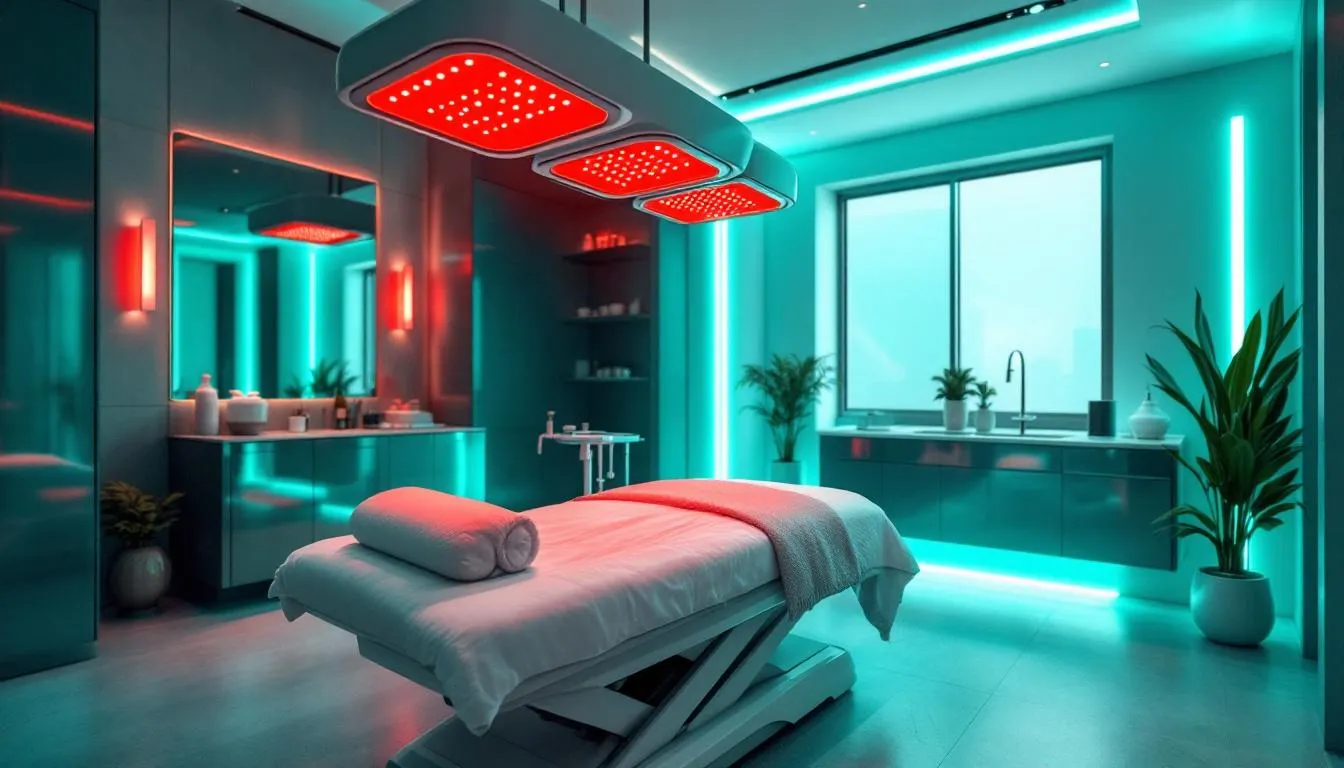
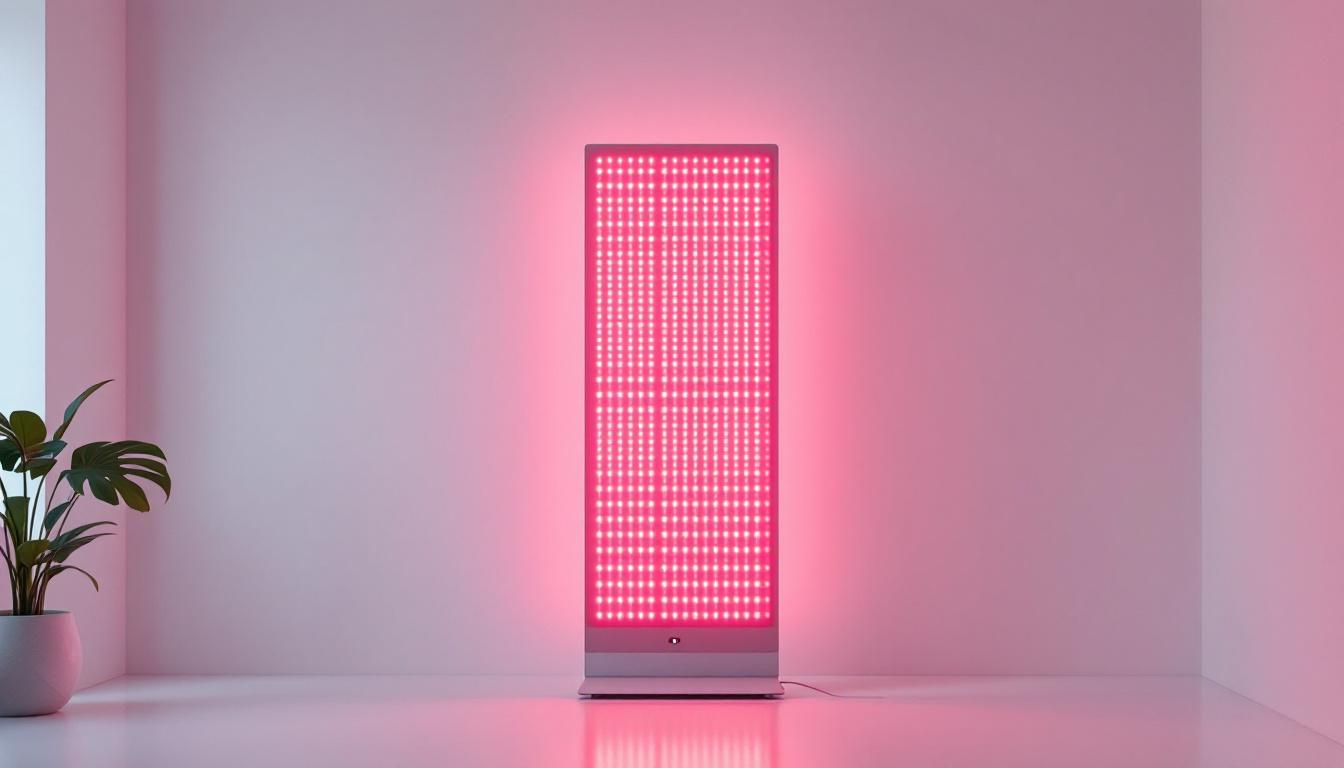
Red light therapy after surgery: complete recovery guide
Learn how red light therapy accelerates post-surgical healing, reduces scarring, and manages pain. Science-backed protocols for safe, effective recovery at home.
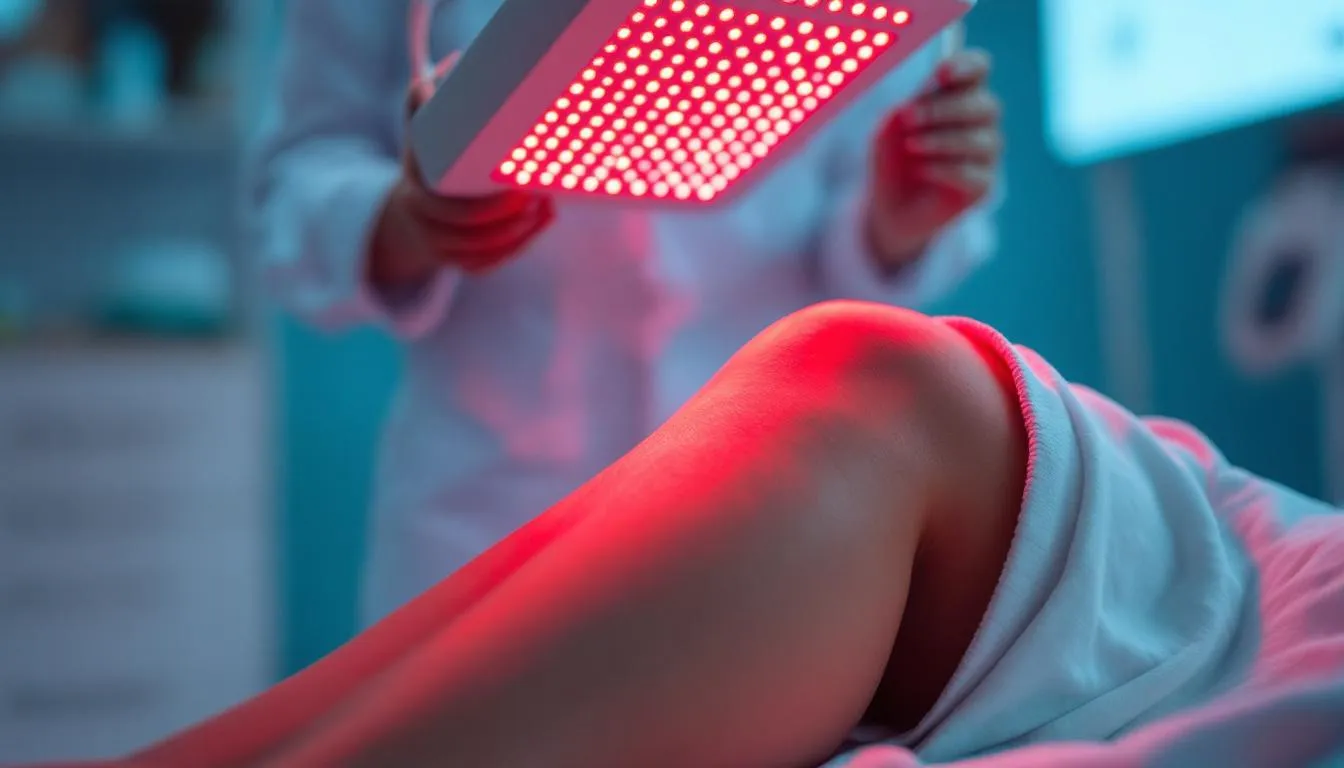
You just got out of surgery. You're dealing with swelling, pain, and a healing incision that feels like it's going nowhere fast. Your surgeon gave you a list of things to do and things to avoid, but nobody mentioned red light therapy.
That's starting to change.
Over the past decade, photobiomodulation research has quietly built a compelling case for using red and near-infrared light to speed up post-surgical recovery. Hospitals, athletic training rooms, and physical therapy clinics are adding these devices. Patients who do their homework are bringing them home. The science isn't fringe anymore.
This guide covers everything you need to know about using red light therapy after surgery. How it works, when to start, which protocols produce results, what wavelengths matter for different tissue types, and what the research actually shows. By the end, you'll know whether it's right for your situation and exactly how to use it.
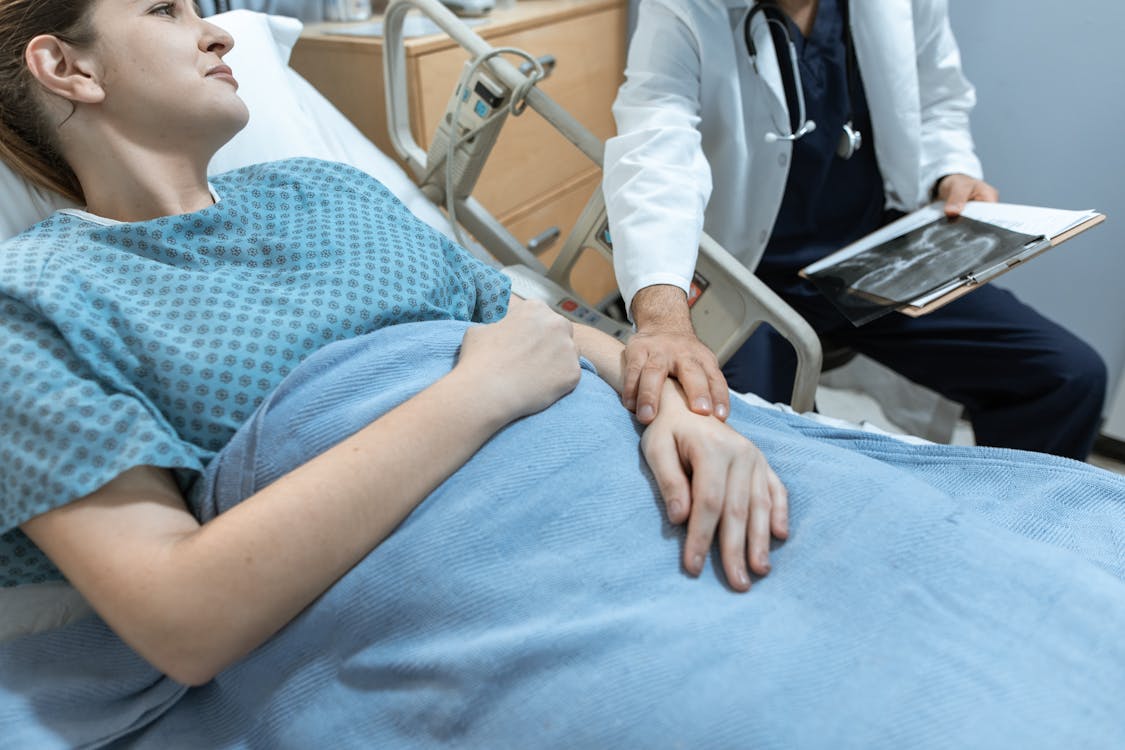
What happens to your body after surgery
Before getting into how red light therapy helps, it helps to understand what your body is already doing during recovery.
Surgery is, by definition, controlled tissue damage. Your surgeon cuts through skin, fat, connective tissue, and sometimes bone. That creates a wound that your body needs to repair. The healing process happens in three overlapping phases.
The inflammatory phase kicks in immediately. Your immune system floods the area with white blood cells to fight potential infection and clear cellular debris. Blood vessels dilate. Fluid leaks into surrounding tissue. That's why post-surgical sites look swollen and feel warm. This phase typically lasts three to five days, though severe trauma can extend it.
The proliferative phase begins within two to three days and can last several weeks. This is when your body builds new tissue. Fibroblasts start producing collagen. New blood vessels form through a process called angiogenesis. The wound fills in and begins to close. This phase is where red light therapy has its most significant impact.
The remodeling phase can last anywhere from three months to two years. The new collagen fibers reorganize and strengthen. Scars mature and (hopefully) fade. The final appearance of your scar depends heavily on how well the remodeling phase goes.
Understanding these phases matters because it tells you when and how to use red light therapy for maximum benefit. You're not just zapping a wound and hoping for the best. You're strategically timing photobiomodulation to support what your body is already trying to do.
How red light therapy accelerates post-surgical healing
Red light therapy works through a mechanism called photobiomodulation. Light in the 630-850 nanometer range gets absorbed by chromophores in your cells, particularly cytochrome c oxidase in the mitochondria. This triggers a cascade of beneficial cellular effects.
Increased ATP production
Cytochrome c oxidase is the final enzyme in the mitochondrial electron transport chain. When it absorbs red or near-infrared photons, it becomes more efficient at producing ATP, the energy currency of cells. A cell with more ATP available has more resources to repair itself.
This matters enormously in post-surgical tissue. Healing is metabolically expensive. Your cells are working overtime to produce collagen, fight inflammation, and rebuild structures. Giving them a direct boost in energy production is like adding fuel to an engine that's already running hard.
Reduced inflammation without suppressing healing
Here's something counterintuitive: inflammation is necessary for healing. You don't want to completely suppress it. Nonsteroidal anti-inflammatory drugs (NSAIDs) can actually impair healing if used too aggressively in the early post-surgical period.
Red light therapy takes a different approach. Research shows it reduces excessive, chronic inflammation while leaving the acute inflammatory response largely intact. It does this by modulating inflammatory cytokines, downregulating NF-κB signaling (a key driver of chronic inflammation), and increasing anti-inflammatory cytokines like IL-10.
The result: less swelling, less pain, less chronic inflammation, but not an impaired healing response. That's a meaningful distinction. You can learn more about how red light affects nerve inflammation and joint inflammation specifically in our dedicated guides.
Accelerated collagen synthesis
Collagen is the structural protein that makes up scar tissue, skin, tendons, ligaments, and many other tissues. Red light therapy directly stimulates fibroblasts, the cells responsible for producing collagen, to increase their output.
A 2014 study published in Photomedicine and Laser Surgery found that red light therapy significantly increased type I and type III collagen production in wound tissue. These are the primary collagen types involved in wound healing and scar formation. More collagen, produced faster, means wounds close sooner and scars can form more effectively.
This is also why red light is used for skin rejuvenation and hyperpigmentation treatment. The same collagen-stimulating mechanism that helps wounds heal faster also helps skin look better overall.
Improved blood flow and angiogenesis
New blood vessels need to grow into healing tissue to supply oxygen and nutrients. Red light therapy promotes angiogenesis, the formation of new capillaries, by increasing nitric oxide production and stimulating vascular endothelial growth factor (VEGF).
Better blood flow to the surgical site means faster nutrient delivery, more efficient waste removal, and a more favorable healing environment. This is particularly relevant for surgeries that disrupt blood supply, such as skin grafts or surgeries in areas with compromised circulation.
Pain reduction
Post-surgical pain is partly inflammatory and partly neurological. Red light therapy addresses both. It reduces prostaglandin E2, a key inflammatory pain mediator. It also appears to modulate pain signals directly by affecting sodium channels in peripheral nerve fibers.
Multiple studies have found that photobiomodulation reduces post-surgical pain and decreases the need for pain medication. This isn't trivial. Opioid use after surgery carries real risks, including dependence and adverse effects. Any tool that safely reduces the need for these medications has genuine value.
Which wavelengths work best after surgery
Not all red light is the same. The wavelength you choose determines where the light penetrates and which cellular processes it activates. For post-surgical recovery, you're typically working with two wavelength ranges.
630-660nm (red light)
This range is absorbed primarily by surface tissues. Penetration depth is roughly 1-3mm below the skin surface, though some studies suggest meaningful effects up to 5-8mm depending on skin type and tissue density.
Red light in this range is ideal for:
- Surface wound healing and incision sites
- Scar tissue formation and remodeling
- Skin grafts and surface procedures
- Dental and oral surgery recovery
- Skin-level tissue damage
The 660nm wavelength specifically has strong affinity for cytochrome c oxidase and robust clinical evidence behind it for wound healing applications.
810-850nm (near-infrared light)
Near-infrared light penetrates significantly deeper, reaching 3-10cm beneath the skin surface depending on tissue type. Bone, fat, and muscle all transmit different amounts of light, but NIR can reach joints, deep muscle tissue, tendons, and even spinal structures in some cases.
NIR in this range is ideal for:
- Deep surgical sites (abdominal, joint, spinal surgeries)
- Muscle and tendon repair
- Bone healing and fracture recovery
- Post-orthopedic surgery rehabilitation
- Tendon recovery and connective tissue healing
Most high-quality devices combine both wavelengths, delivering simultaneous red and near-infrared light. This combination covers surface healing while also reaching deeper tissue layers. If you're choosing a device specifically for post-surgical recovery, a dual-wavelength panel or pad is worth prioritizing. Red light panels vs masks each have distinct advantages depending on the surgical site.
The 850nm sweet spot for tissue repair
Within the NIR range, 850nm has particularly strong research support for musculoskeletal and deep tissue recovery. It's absorbed well by muscle tissue and has shown consistent results in accelerating repair after physical trauma, which overlaps significantly with surgical trauma.
When to start red light therapy after surgery
This is the question everyone asks first, and the honest answer is: it depends on your surgery, your surgeon's guidance, and the condition of your wound.
General principles:
The inflammatory phase (days 1-5) presents a nuanced situation. Some practitioners suggest waiting until initial inflammation subsides before starting photobiomodulation. Others argue that even during this phase, red light therapy helps by modulating rather than suppressing inflammation. The weight of research suggests low-dose red light therapy is safe and beneficial even in the first 24-72 hours.
What to wait for before starting:
- The wound should be closed or healing cleanly. Don't apply red light to open wounds with active bleeding.
- Any surgical drains should be removed or your medical team should confirm it's appropriate to proceed.
- You should have clearance from your surgeon. This is non-negotiable.
A practical starting framework:
Most people can begin gentle, low-dose sessions within 3-7 days of a typical elective surgery. For major or complex procedures, waiting 1-2 weeks before starting is more conservative and appropriate.
Start with shorter sessions (5-8 minutes) at greater distances (12-18 inches) to keep doses low initially. As healing progresses into the proliferative phase (week 2-6), you can increase intensity, reduce distance, and extend session time.
Check out our guide on how long to do red light therapy for detailed session length guidance, and our article on whether you can overdo red light therapy.
Post-surgical red light therapy protocols
The right protocol depends on the type of surgery, the depth of the tissue being treated, and where you are in the recovery timeline. Here are evidence-informed frameworks for the most common surgical scenarios.
Orthopedic surgery (knee, hip, shoulder, spine)
Orthopedic procedures often involve the deepest tissue trauma. You're dealing with muscle, tendon, ligament, cartilage, and often bone. Near-infrared at 810-850nm is your primary tool here.
Phase 1: Weeks 1-3 post-surgery
- Wavelength: 850nm NIR primary, add 660nm red for surface scar
- Distance: 6-12 inches from the surgical site
- Duration: 8-12 minutes per session
- Frequency: Once daily
- Power density target: 20-40 mW/cm²
Phase 2: Weeks 4-12 post-surgery
- Wavelength: 850nm NIR with 660nm combination
- Distance: 4-8 inches
- Duration: 10-15 minutes per session
- Frequency: Once daily or twice daily for active rehabilitation periods
- Work with your physical therapist to time sessions around exercises
Phase 3: 3-6 months post-surgery (remodeling)
- Maintain once-daily sessions 3-5 times per week
- Focus increasingly on scar remodeling and full tissue recovery
- Can reduce to maintenance dosing once full function returns
For specific joint conditions, our articles on red light for joint pain and foot and ankle recovery offer additional context. The lymphatic drainage research is also relevant here, since reducing post-surgical lymphatic congestion significantly improves comfort and healing speed.
Cosmetic and plastic surgery
Cosmetic procedures often involve significant surface tissue work. The primary concerns are scar quality, swelling reduction, and skin healing.
Phase 1: Days 3-14 post-surgery (with surgeon clearance)
- Wavelength: 630-660nm red light
- Distance: 6-8 inches
- Duration: 5-10 minutes per session
- Frequency: Once daily
- Avoid direct application over sutures until they're removed unless specifically cleared by your surgeon
Phase 2: Weeks 2-6
- Can add 810-850nm NIR for deeper recovery
- Increase session duration to 10-15 minutes
- Can apply directly to scars once sutured or stapled wounds have closed
Phase 3: Months 2-6
- Focus on scar remodeling
- Sessions 3-5 times per week
- Combine with gentle massage and scar-reducing serums
Red light therapy has an interesting relationship with other cosmetic treatments. Our guides on red light after microneedling and combining retinol with red light are relevant if you're incorporating other skin treatments during recovery. For before and after outcomes, see face before and after results.
Abdominal and visceral surgery
Abdominal surgeries (appendectomy, hernia repair, gallbladder removal, C-section, gynecological procedures) present a specific challenge: you need light to penetrate through several inches of tissue to reach the surgical site.
High-power NIR panels at 850nm are most appropriate here. The abdominal wall is thick, and lower-power devices won't deliver meaningful doses to deeper structures.
Key considerations for abdominal surgery:
- Always get explicit surgeon clearance before applying anything to abdominal surgical sites
- Focus on the external incision site with 660nm for surface healing
- Use high-power NIR panels for deeper effects, but don't rely on low-power devices
- Time sessions around meals (at least 1-2 hours after eating)
- Watch for any signs of increased pain, heat, or redness, which could indicate a problem
For C-section recovery specifically, concerns about using red light therapy during or near pregnancy are addressed in our article on red light therapy safety in pregnancy. Post-delivery, once cleared by your OB-GYN, normal post-surgical protocols apply.
Dental and oral surgery
Wisdom tooth removal, dental implants, periodontal surgery, and jaw procedures all respond well to red light therapy. The mouth is highly vascularized, and the tissue tends to heal quickly, but photobiomodulation can accelerate this further and significantly reduce post-operative pain and swelling.
Protocol for oral surgery:
- Start within 24-48 hours of dental surgery
- Use a focused red light device or a small panel positioned near the face
- 630-660nm wavelength; NIR adds benefit but is secondary here
- 5-8 minutes per session, once or twice daily
- Can apply externally over the cheek/jaw area
This is one of the strongest applications for red light therapy in surgical recovery. Our guide on red light therapy for gum health covers the oral tissue healing mechanisms in more detail.
Scar reduction: one of the strongest use cases
If there's one area where red light therapy after surgery has particularly compelling evidence, it's scar management. This deserves its own section because many people don't start thinking about scar treatment until weeks after surgery, which is exactly when it matters most.
Why scars form the way they do
When your body repairs damaged tissue, it doesn't always rebuild the original architecture perfectly. Instead of replacing skin with new skin that has normal structure (hair follicles, sweat glands, layered organization), scar tissue is largely dense, disorganized collagen.
The quality of that collagen and how it's organized determines how your scar looks and feels. Hypertrophic scars and keloids form when the healing process becomes dysregulated, producing too much collagen. Atrophic scars (the depressed kind) result from insufficient collagen production. Flat, well-healed scars are the goal.
How red light therapy improves scars
Red light at 660nm directly stimulates fibroblasts and influences collagen production and organization. Research shows several mechanisms:
Collagen type ratio modulation. Normal skin has a specific ratio of type I to type III collagen. Scar tissue often has an abnormal ratio. Red light therapy helps normalize this ratio, improving scar texture.
Matrix metalloproteinase regulation. These enzymes break down old collagen to allow new, properly organized collagen to replace it. Red light appears to optimize MMP activity in healing tissue, supporting remodeling.
Reduction of hypertrophic scarring. A 2008 study in Photomedicine and Laser Surgery found that low-level laser therapy significantly reduced the thickness and redness of hypertrophic scars compared to controls.
Practical scar protocol:
- Begin treating scar tissue once the wound has fully closed (no open areas)
- Apply 660nm red light directly over the scar
- 10-15 minutes per session, 5-7 times per week
- Consistent treatment over 3-6 months produces the best results
- Combine with silicone sheeting and gentle massage for synergistic effects
For context on other skin-level results people see, mask before and after and before and after cellulite documentation shows how the skin responds to extended red light treatment.
Choosing the right device for post-surgical recovery
Not every red light therapy device is appropriate for surgical recovery. Here's what matters.
Power output (irradiance)
Irradiance, measured in mW/cm², determines how much light energy actually reaches the tissue. For post-surgical recovery, you want a device capable of delivering meaningful doses without requiring 20+ minutes of treatment time.
Devices with 50-150 mW/cm² at the surface are appropriate for most applications. At 6-8 inches of distance, these devices deliver therapeutic doses in 10-15 minutes. Lower-power devices (under 20 mW/cm²) exist and can work, but sessions need to be much longer to accumulate the same dose.
Check our guide on device reviews for specific product assessments.
Wavelength combination
For comprehensive post-surgical use, look for devices that include:
- 660nm red light
- 850nm near-infrared
This dual-wavelength approach addresses both surface and deep tissue. Many quality panels include both. Some also add 810nm or 830nm as additional NIR wavelengths, which is fine and potentially beneficial.
Panel vs targeted devices
Full-body or large panels are ideal if you're recovering from multiple surgical sites or want to treat large areas efficiently. A large panel can treat your entire surgical region in one session. Our overview of red light therapy beds for home use covers the full end of the spectrum.
Targeted pads and wraps allow flexible application around complex anatomical areas like knees, shoulders, and the spine. Specific shields and targeted devices can also be valuable for focused treatment.
Handheld devices work for smaller areas like hands, feet, or face. They require more careful attention to distance and coverage than panels.
Eye protection
Always use appropriate eye protection during red light therapy sessions, especially near-infrared wavelengths. Our complete guide on whether you need eye protection and our red light therapy goggles review cover your options. See also our guide on full-block red and NIR light glasses. For eye-area surgery recovery specifically, talk to your surgeon before applying any light near the eye region.
If you're ever uncertain whether your device is applying appropriate light, our article on whether red light works through clothes explains what the light can and can't penetrate.

The research on red light therapy and surgical recovery
The clinical evidence base for photobiomodulation in wound healing and post-surgical recovery is substantial. Here are some of the key findings.
Wound healing acceleration
A 2014 systematic review in the journal Photomedicine and Laser Surgery analyzed 23 studies on photobiomodulation for wound healing. The review found consistent evidence that red and NIR light reduced healing time, improved tensile strength of repaired tissue, and increased collagen deposition compared to controls.
A randomized controlled trial published in the Journal of Clinical Periodontology found that LLLT (low-level laser therapy, which is photobiomodulation by another name) significantly accelerated healing after periodontal surgery, with treated sites showing complete healing at three weeks compared to six weeks in controls.
Post-orthopedic surgery recovery
A study published in Lasers in Medical Science examined patients recovering from arthroscopic knee surgery. Those receiving photobiomodulation treatment showed significantly lower pain scores and faster return to function compared to sham-treated controls. The effect was most pronounced in the first four weeks of recovery.
Multiple studies on ACL reconstruction recovery have shown similar patterns. PBM treatment in the weeks following surgery reduces post-operative swelling, decreases pain medication use, and may accelerate the timeline for returning to physical therapy milestones.
Swelling and edema reduction
Post-surgical edema is a major source of discomfort and can actually impede healing by creating physical pressure on regenerating tissue. Several studies have documented significant reductions in post-surgical edema with photobiomodulation treatment.
A trial of orthognathic (jaw) surgery patients found that red light therapy applied to the surgical site in the first week significantly reduced facial edema compared to controls. Patients also reported lower pain scores and required less pain medication.
This connects directly to red light's effect on the lymphatic system. Our article on red light therapy for lymphatic drainage explains the underlying mechanism. Essentially, PBM increases lymphatic vessel activity and improves fluid clearance from edematous tissue.
Scar quality improvement
Research specifically examining scar outcomes after red light therapy is growing. A 2019 study published in Dermatologic Surgery examined post-surgical scars treated with photobiomodulation compared to untreated scars. Treated scars showed better melanin normalization (less hyperpigmentation), improved texture, and reduced scar height at 6 months.
A separate study examined post-mastectomy scars in breast cancer survivors. PBM treatment significantly improved scar flexibility, reduced scar thickness, and reduced the incidence of capsular contracture compared to controls.
Pain management
The analgesic effects of red light therapy are well-documented across multiple surgical types. A meta-analysis published in the British Journal of Oral and Maxillofacial Surgery examined photobiomodulation for post-surgical pain after wisdom tooth extraction. The analysis found a significant reduction in pain intensity at 24 and 48 hours post-operation in treated groups.
The mechanism appears to involve modulation of nociceptors (pain receptors) in peripheral nerves, reduction of inflammatory mediators, and possibly direct effects on neural conduction. Our article on neuropathy treatment with red light covers the neural effects in more depth.
Bone healing
For surgeries involving bone, near-infrared light shows particular promise. Animal studies have consistently shown accelerated fracture healing and implant osseointegration with PBM treatment. Human studies on dental implant integration and alveolar bone repair after oral surgery have shown similar trends.
A pilot study in the Journal of Photochemistry and Photobiology found that patients receiving photobiomodulation after tibial osteotomy (a knee-realignment surgery) showed 23% faster bone bridging on X-ray compared to controls. While this is a small study, it's consistent with the broader mechanistic evidence.
Combining red light therapy with other recovery tools
Red light therapy works best as part of a comprehensive recovery plan, not as a solo intervention.
Physical therapy
Red light therapy and physical therapy complement each other well. PBM can reduce pain and inflammation enough to make therapy exercises more tolerable and effective. Consider timing red light sessions 1-2 hours before physical therapy appointments to take advantage of the anti-inflammatory and analgesic effects.
Cold therapy (cryotherapy)
Ice and cold packs are a staple of early post-surgical recovery. There's no established interaction between cryotherapy and red light therapy, but using them at the same time is counterproductive. Cold constricts blood vessels and slows metabolism, which works against the vasodilatory and metabolic effects of photobiomodulation. Apply cold therapy first, then use red light therapy when the tissue returns to normal temperature, or alternate sessions at different times of day.
Compression therapy
Compression garments reduce post-surgical edema and support healing tissue. They're compatible with red light therapy. The one consideration: some compression materials may absorb or scatter red light, reducing the dose that reaches tissue. Our article on whether red light works through clothes explains the penetration dynamics. When possible, apply red light directly to skin for maximum dose delivery, then use compression garments afterward.
Nutrition
Healing tissue has specific nutritional needs. Vitamin C is directly involved in collagen synthesis. Zinc supports wound healing and immune function. Protein provides the amino acid building blocks for tissue repair. Getting these right amplifies the collagen-stimulating effects of red light therapy. A healing body benefits enormously from both the right nutritional environment and the right light environment working together.
Sleep
Most tissue repair happens during sleep, particularly during deep sleep stages when growth hormone is released. Red light therapy in the evening can support sleep quality through its effects on circadian rhythm and melatonin production. Our guide on red sleep light bulbs covers the nighttime light environment if sleep quality is a concern during recovery.
Safety considerations and contraindications
Red light therapy is generally very safe, but post-surgical recovery presents some specific considerations.
Always consult your surgeon
This isn't just a boilerplate disclaimer. Your surgeon knows details about your specific procedure that affect how you should approach recovery. They know whether your surgical site had complications, whether there are implants or hardware that might behave unexpectedly, whether blood supply was compromised, and whether there are any infections or healing concerns. Get clearance before starting.
Active infection
If there are signs of surgical site infection (increased redness spreading beyond the incision, purulent discharge, fever, increasing rather than decreasing pain), do not use red light therapy. Red light therapy's pro-healing effects could theoretically accelerate bacterial growth in an infected wound. Get the infection properly treated first.
Blood-thinning medications
Some patients are on anticoagulants after surgery (warfarin, heparin, newer blood thinners) to prevent blood clots. Red light therapy's vasodilatory effects are generally mild and unlikely to cause problems, but discuss this with your medical team if you're on anticoagulation therapy.
Photosensitizing medications
Certain medications make skin more sensitive to light. Common post-surgical medications like some antibiotics (tetracyclines, fluoroquinolones) and NSAIDs can be photosensitizers. The wavelengths used in red light therapy are generally not UV and don't typically trigger photosensitivity reactions, but it's worth being aware of your medication list and checking with your pharmacist.
Implants and hardware
Surgical hardware including plates, screws, and joint implants is generally metal, and there's a theoretical concern about heating. In practice, the power levels used in therapeutic photobiomodulation devices are far too low to meaningfully heat metal implants. Clinical use of photobiomodulation near surgical hardware is routine and considered safe. But if you have concerns, discuss them with your surgeon.
Cancer and active malignancy
If your surgery was for cancer treatment, red light therapy requires specific medical guidance. PBM's pro-growth cellular effects raise theoretical concerns about stimulating residual malignant cells. This doesn't mean red light therapy is contraindicated for cancer survivors, but it warrants a careful, individualized conversation with your oncologist before starting.
Too much of a good thing
More isn't always better with red light therapy. Excessive doses can actually inhibit healing through a mechanism called biphasic dose response. Very high energy doses reverse the beneficial effects. Follow established protocols, don't extend sessions far beyond what's recommended, and don't apply light to the same site more than twice daily. Our article on whether you can do too much red light therapy covers this biphasic effect in detail.
Recovery timeline: what to realistically expect
Red light therapy accelerates healing. It doesn't replace healing time entirely. Here's a realistic picture of what the research suggests you might expect.
Weeks 1-2: Reduced swelling more quickly than expected. Lower pain scores. Potentially less need for pain medication. Incision site may look cleaner and more organized.
Weeks 3-6: Noticeably improved wound closure. Scar may begin to flatten earlier than typical. Range of motion improvements (for orthopedic surgery) may come more quickly. Energy levels may feel better.
Months 2-4: Scar tissue continues remodeling. Texture and color improve. For deeper tissue healing (bone, tendon), continued photobiomodulation may produce measurable improvements in strength and function testing.
Months 4-12: Long-term scar quality significantly improved compared to no treatment. Many patients notice substantially less visible scarring with consistent treatment during this remodeling period.
These timelines are averages and will vary widely based on the complexity of your surgery, your age, your nutritional status, your baseline health, and how consistently you apply the protocol. Younger patients and those with good circulation tend to respond more quickly.
Practical setup tips for home recovery use
If you're setting up for home recovery use, a few practical considerations make a big difference.
Device positioning: Most people find it easiest to set up a panel stand or use a free-standing panel that can be positioned while sitting or lying down. Trying to hold a device manually for 10-15 minutes is uncomfortable and leads to inconsistent results.
Distance and coverage: Use a measuring tape the first few times to ensure you're at the right distance. Mark it on the floor with tape so you don't have to remeasure each session.
Timing consistency: Your body responds better to consistent timing. Many people find morning sessions work well because they provide some pain and inflammation relief that makes the rest of the day more comfortable. Foot and ankle surgeries in particular benefit from morning sessions before your first steps of the day.
Session tracking: Keep a simple log. Note the date, session duration, distance, and any pain levels or observations. This helps you see progress and adjust the protocol based on what's actually happening with your recovery.
Room preparation: Red light therapy sessions work best in a room where you won't be disturbed. Fifteen minutes of stillness is also good recovery rest time. Some people combine sessions with guided relaxation or meditation.
Comparing red light therapy to other recovery modalities
How does photobiomodulation stack up against other post-surgical recovery tools?
vs. Ultrasound therapy: Therapeutic ultrasound is commonly used in physical therapy for tissue healing. It works through different mechanisms (mechanical vibration, thermal effects) and is somewhat complementary to red light therapy rather than competing. Both can be used in recovery protocols.
vs. TENS/electrical stimulation: TENS units primarily address pain through neural mechanisms. They don't have the same tissue healing effects as red light therapy. For pain management specifically, both work but through different pathways. Red light additionally heals tissue, TENS primarily modulates pain signals.
vs. infrared saunas: Full-spectrum infrared saunas provide systemic heating and some photobiomodulation effects, but they're generally not appropriate in the immediate post-surgical period due to the cardiovascular stress of heating the whole body. Our article on red light therapy vs infrared sauna covers the differences in depth.
vs. laser therapy at your physio: Professional low-level laser therapy (LLLT) uses the same photobiomodulation mechanism as consumer red light therapy panels. The difference is power density and precise focal treatment. Professional devices may deliver higher doses to specific small areas more quickly. For broad-area treatment over large surgical sites, home panels can actually provide more comprehensive coverage per session.
The cold laser therapy vs red light therapy comparison explains these nuances well if you're seeing a physiotherapist who uses laser equipment.
SeekRedLight's perspective on post-surgical recovery
We've covered a lot of ground here. The evidence for red light therapy in post-surgical recovery is among the strongest in the entire photobiomodulation field. Wound healing applications have decades of clinical research behind them, and the mechanistic understanding is solid.
If you're recovering from surgery, the core message from SeekRedLight is this: photobiomodulation is a legitimate, well-researched tool for accelerating your recovery, but it works best as part of a comprehensive plan that includes proper wound care, nutrition, sleep, physical rehabilitation, and close communication with your surgical team.
Start conservative, be consistent, and track your progress. Most people who use red light therapy thoughtfully during recovery are glad they did.
Our broader collection of guides covers everything from joint recovery to hair loss treatment to fat loss applications. Red light therapy's versatility is genuinely remarkable, and post-surgical recovery is one of the application areas with the strongest evidence base.
Frequently asked questions
How soon after surgery can I start red light therapy?
Most people can begin within 3-7 days of a routine elective surgery, once the wound is closed and with surgeon clearance. For major procedures, 1-2 weeks is a more conservative starting point. Always consult your surgical team before beginning, as they know the specifics of your case.
Can red light therapy replace physical therapy after surgery?
No. Red light therapy is a complement to physical therapy, not a replacement. PBM helps reduce pain and inflammation, which can make physical therapy more effective and tolerable. You still need proper rehabilitation exercises to restore function. Think of it as a recovery accelerator that supports your rehabilitation program.
What wavelength is best for post-surgical scar treatment?
For surface scar treatment, 660nm red light has the strongest evidence. It penetrates the skin layers where fibroblasts are active and directly stimulates collagen production and remodeling. For deeper surgical sites, add 850nm near-infrared to reach the underlying tissue layers.
How long does it take to see results from red light therapy after surgery?
Reduced swelling and improved pain management can be noticeable within the first 1-2 weeks. Visible scar improvement takes longer, typically 6-12 weeks of consistent treatment before meaningful aesthetic changes become apparent. Full scar remodeling benefits can continue improving for 6-12 months with ongoing treatment.
Is red light therapy safe after joint replacement surgery?
Generally yes, but with caveats. Metal implants and prosthetics are not heated by therapeutic red light devices, so hardware isn't a concern. However, always confirm with your orthopedic surgeon before starting, as they may have specific guidance related to your implant type or procedure.
Can I use red light therapy on an area that still has stitches or staples?
It depends. Some practitioners apply red light therapy over closed sutures; others prefer to wait until sutures are removed. The light won't damage the sutures themselves, but if there's any risk of wound dehiscence (separation) or other complications, caution is warranted. Discuss with your surgeon.
Does red light therapy reduce keloid scarring?
Research on keloids specifically is more limited than research on hypertrophic scars. Some studies show benefit in reducing keloid size and redness. However, keloids are notoriously difficult to treat and often require multiple modalities. Red light therapy may be a useful addition to a keloid treatment plan but shouldn't be relied on as a solo treatment for established keloids.
How does red light therapy compare to silicone sheets for scars?
These two approaches work through different mechanisms and are often used together. Silicone sheeting creates a moist environment that reduces moisture loss from scar tissue and may reduce collagen overproduction. Red light therapy actively stimulates collagen remodeling and improves blood flow. The combination of both has been used in several clinical studies and appears more effective than either alone.
Related guides
- Red light therapy for joint pain
- Red light therapy for tendonitis
- Red light therapy for neuropathy
- Red light therapy for lymphatic drainage
- How long to do red light therapy
Sources
- PubMed: Photobiomodulation and wound healing research
- NIH: Low-level laser therapy for wound healing: mechanism and efficacy
- FDA: Medical devices and light therapy
In case I don't see you, good afternoon, good evening, and good night. May your incisions heal clean, your scars fade faster than expected, and your recovery leave you stronger than before surgery. Explore SeekRedLight for comprehensive guides and tools to optimize your red light therapy journey.