Red Light Therapy in Las Vegas: Complete Guide
Looking for red light therapy in Las Vegas? Discover the best spas, salons, and wellness centers, what to expect, pricing, and whether to buy your own device.
You land at Harry Reid International at 11 PM. Your flight was delayed, your body feels like it crossed three time zones (it did), and tomorrow morning you have a 7 AM golf tee time or a conference presentation or, let's be honest, just more walking the Strip in shoes that weren't made for walking the Strip. A friend mentions the hotel spa offers red light therapy sessions. You've heard the term before. You nod like you know exactly what that means.
But you're not totally sure.
Or maybe you're a Las Vegas local. You've watched the city transform from a destination built entirely around gambling and shows into something more layered. The spa culture exploded. Then the fitness culture. Then the recovery culture. And now, seemingly overnight, red light therapy panels are showing up in tanning salons, chiropractic offices, cryotherapy centers, and luxury medical spas across the valley. Your coworker swears it fixed her knee. Your gym buddy says it's the reason his skin looks better at 52 than it did at 40.
So what's actually going on here?
Red light therapy, technically called photobiomodulation, uses specific wavelengths of red and near-infrared light to trigger biological changes inside your cells. It's not a tanning bed. It's not a heat treatment. It's not some fringe idea from the wellness internet. Decades of research support its effects on cellular energy, inflammation, skin health, muscle recovery, and pain. And Las Vegas, a city that adopted Pilates before most of the country, that had IV drip lounges before they became mainstream, has taken to red light therapy with characteristic enthusiasm.
This guide is for both visitors and locals. If you're trying to figure out where to go, what it costs, what to expect, and whether the investment makes sense, you're in the right place.

Why Las Vegas has become a serious wellness destination
Ten years ago, Las Vegas had world-class restaurants and world-class shows. The wellness infrastructure was mostly limited to hotel spas offering the usual massage and facial menus. That changed fast.
The city started attracting a different kind of traveler. Health-conscious, active, with disposable income but also with high expectations. Conference-goers who wanted a way to recover from late nights and back-to-back meetings. Golfers who needed their knees to cooperate for four consecutive days on a course. Bachelorette parties that added a group infrared sauna session to the itinerary alongside the club night.
And locals, of course. Las Vegas has a permanent population of over two million people. Many of them are serious about health, fitness, and longevity. They want the same access to cutting-edge wellness treatments that people in Los Angeles or New York take for granted. And increasingly, they have it.
Red light therapy landed in this environment and found an eager market. The therapy fits naturally into how people in Vegas think about self-care. It's fast. You can do a 20-minute session during a break in your schedule. It layers well with other treatments. It delivers measurable results over time. And unlike some wellness trends, it has a real scientific foundation that holds up to scrutiny.
The demand has driven supply. You now have dozens of options across the metro area, ranging from budget-friendly tanning salons with a red light add-on panel to dedicated wellness centers with medical-grade full-body devices to upscale medical spas where the red light treatment is one piece of a larger, personalized protocol. Knowing which type of venue fits your situation requires understanding what you're actually looking for from the therapy.
The venues: where red light therapy happens in Las Vegas
Las Vegas spreads across a large metropolitan footprint, and so do the options for red light therapy. The venues divide into a few distinct categories, each with different equipment, staff expertise, price points, and purposes.
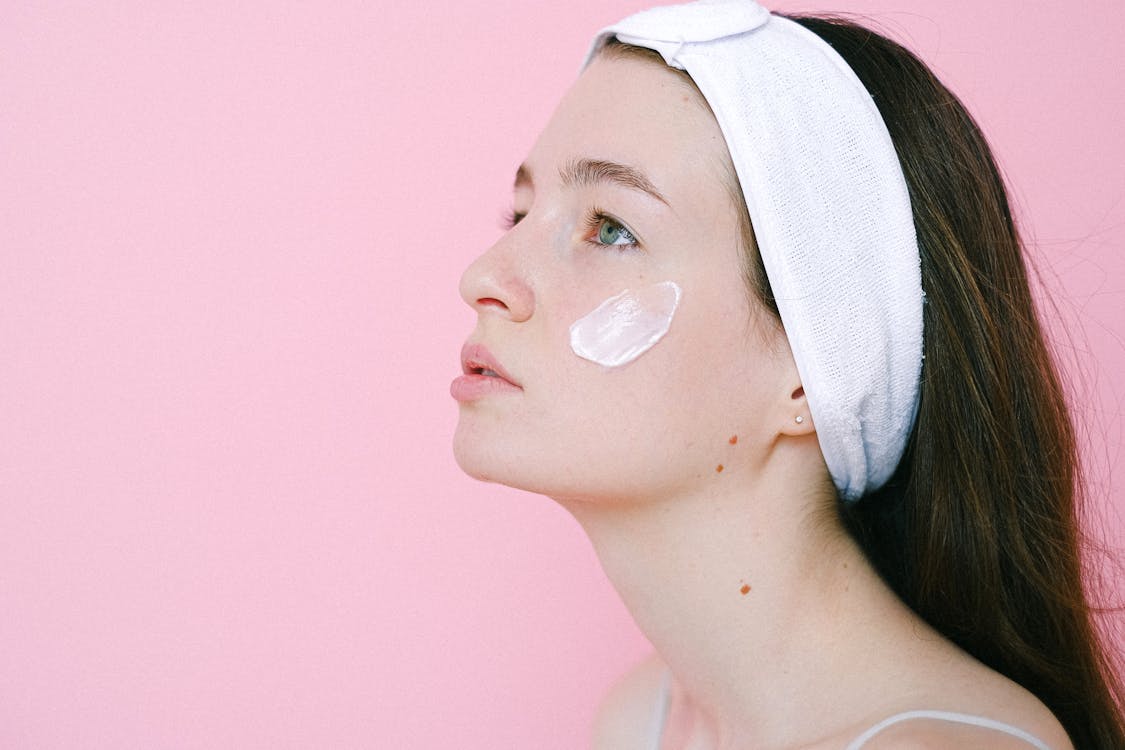
Tanning salons were among the first places to offer red light therapy in the Vegas area. For many of these businesses, red light therapy started as an add-on service, something to offer clients between UV tanning sessions. The equipment at tanning salons varies considerably. Some use dedicated red light panels that are genuinely effective, emitting the right wavelengths with adequate irradiance. Others use devices that are more marketing than medicine. The price point is typically the lowest of any venue category, and session booking is usually simple and fast. If your priority is affordability and convenience, a tanning salon can work. But you'll want to ask the right questions about their specific equipment, which we'll cover later.
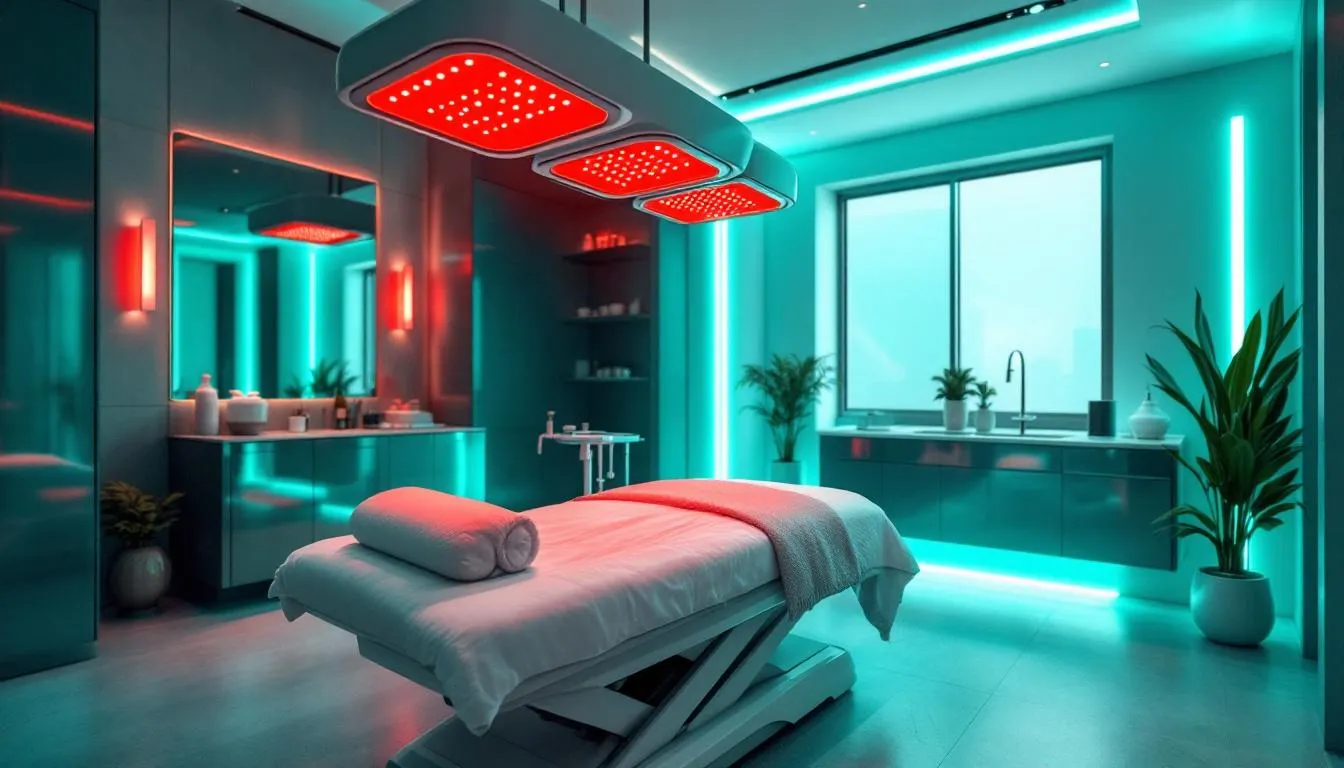
Medical spas in Las Vegas operate at the other end of the spectrum. These facilities typically have licensed medical directors overseeing their protocols, and they invest in medical-grade devices from established manufacturers. You're not just walking in and lying under a panel. A good medspa will do some kind of intake assessment, discuss your goals, and recommend a treatment plan. The staff tends to have more training on the science behind the therapy and how to apply it to specific conditions. The cost reflects all of this. Single sessions at a quality Vegas medspa can run significantly higher than a tanning salon session, but you're also getting a meaningfully different experience and potentially meaningfully better results.
Wellness centers dedicated to recovery and performance have proliferated across Las Vegas. These are the facilities that pair red light therapy with infrared saunas, cryotherapy chambers, compression therapy, and similar modalities. They serve athletes, fitness enthusiasts, and anyone focused on recovery and performance. The staff at these venues often have backgrounds in sports medicine, physical therapy, or athletic training. They understand how to combine modalities intelligently, which can matter if you're trying to get the most out of a multi-day Vegas trip or if you're a local building a consistent wellness routine.
Chiropractic and physical therapy offices increasingly offer red light therapy as part of their treatment offerings. If you have a specific musculoskeletal issue, this context can be excellent. A chiropractor who also uses red light therapy on a patient with lower back pain is applying it within a clinical framework with a clear therapeutic goal. The red light therapy for joint pain applications are well-documented, and a clinical environment ensures the therapy is being applied thoughtfully rather than just as an upsell.
Gyms in Las Vegas, particularly upscale fitness clubs and boutique studios, have added red light therapy to their amenity offerings. This makes the post-workout use case extremely convenient. You finish your session on the squat rack, spend 15 minutes in the red light booth, and walk out feeling like you've covered your recovery bases. The quality of gym-based red light therapy varies, but the convenience factor is hard to beat.
Cryotherapy centers often pair their cryo chambers with red light therapy, since the two modalities complement each other in interesting ways. Cold therapy reduces inflammation acutely; red light therapy supports cellular recovery and energy production. The combination is popular among athletes and fitness enthusiasts in Vegas, and the centers that offer both usually have staff who can explain how to sequence the two treatments effectively.
The science: what red light therapy actually does to your body
You deserve a straight answer on this, because a lot of what you'll hear in Las Vegas spas and salons is somewhere between oversimplified and exaggerated.
Red light therapy uses light in the red spectrum, typically between 630 and 700 nanometers, and near-infrared light, typically between 800 and 1100 nanometers. These specific wavelengths penetrate your skin and reach the cells in underlying tissue. Once absorbed, they interact with structures inside the cell, primarily the mitochondria, the organelles responsible for producing energy in the form of ATP.
The key mechanism involves a protein called cytochrome c oxidase, an enzyme in the mitochondrial electron transport chain. Red and near-infrared light activate this enzyme, which increases the efficiency of ATP production. More ATP means cells have more energy to do their jobs, whatever those jobs happen to be. For a skin cell, that might mean producing more collagen. For a muscle cell recovering from exercise, it means faster repair. For a nerve cell dealing with inflammation, it means better function and reduced pain signaling.
This is photobiomodulation. Photo means light. Bio means living. Modulation means changing or optimizing function. It's not producing heat as the primary mechanism, though some near-infrared wavelengths do produce a gentle warmth. It's not UV radiation, so there's no tanning or DNA damage involved. It's a specific photochemical reaction at the cellular level.
The research on this is substantial. Studies have examined red light therapy for wound healing, skin rejuvenation, joint pain, muscle recovery, hair growth, neuropathy, and a range of other conditions. SeekRedLight covers the science behind photobiomodulation in depth across dozens of articles, but the core principle is consistent: deliver the right wavelengths, at the right intensity, for the right duration, and cells respond in measurable and beneficial ways.
One thing worth understanding: this isn't an overnight fix. People in Vegas often think about instant results because that's the culture the city has cultivated. One red light session won't transform your skin or eliminate chronic knee pain. The science supports consistent use over weeks, sometimes months, to produce the effects that get people genuinely excited. That said, many people do notice something after even a few sessions. Reduced muscle soreness. Skin that looks a little brighter. A joint that feels slightly less stiff. The cumulative effect is real.
What about near-infrared versus red light? They overlap in application but differ in depth of penetration. Red light works primarily on skin and superficial tissue. Near-infrared penetrates deeper, reaching joints, muscles, nerves, and even bone. Many therapeutic devices emit both, which is why full-spectrum panels that include both wavelengths tend to be more versatile and effective than single-wavelength devices. If you're evaluating a Las Vegas venue's equipment, you want to know whether they're using both wavelengths and at what power density. SeekRedLight has detailed comparisons of red vs infrared light that explain exactly why both matter.
What Las Vegas residents and visitors use red light therapy for
The range of reasons people seek out red light therapy in Vegas is genuinely wide. Let me walk through the most common ones.
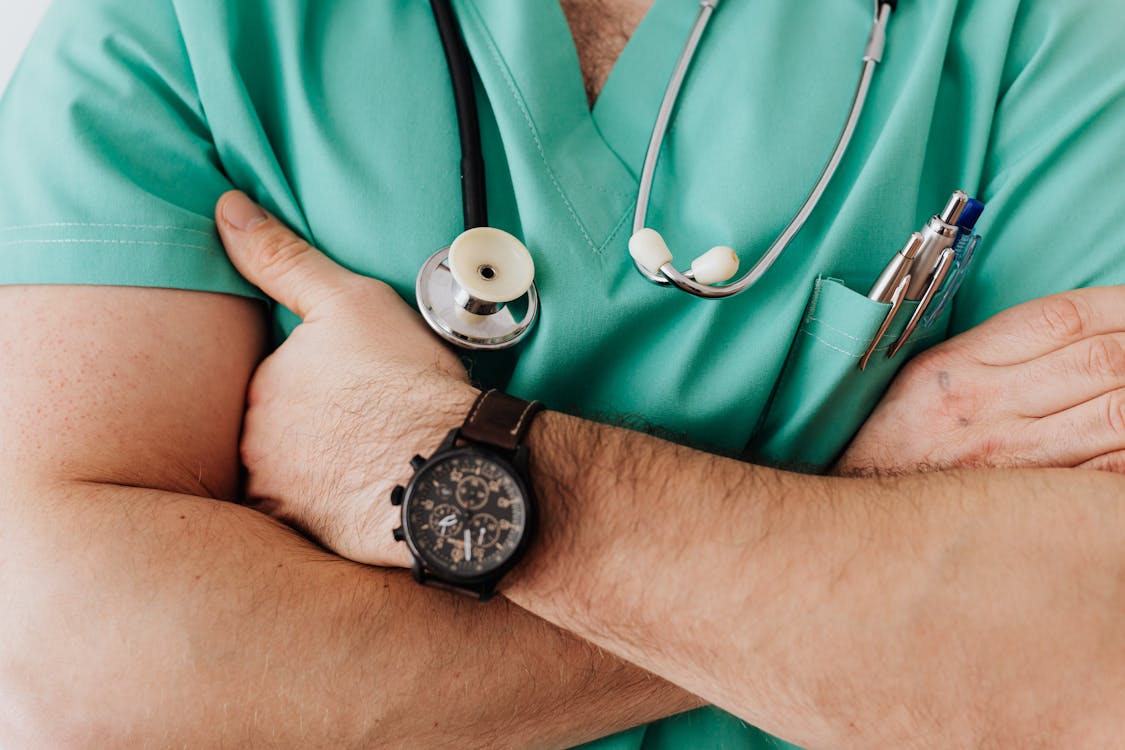
Skin health and anti-aging. This is probably the single most popular application in Las Vegas. The city has an extremely active medical aesthetics scene, and red light therapy fits naturally into anti-aging protocols. It stimulates collagen production, reduces fine lines and wrinkles, improves skin tone and texture, and helps with pigmentation issues. If you've read about red light therapy hyperpigmentation treatments or looked at red light therapy face before and after results, you'll understand why this application has taken off. Vegas sun exposure is significant, and locals especially deal with sun damage that red light therapy can help address. The red light therapy for sunburn recovery application is relevant here too.
Pain management. Las Vegas has a large population of active adults, and joint and muscle pain is a near-universal experience past a certain age. Whether it's joint pain, plantar fasciitis from walking the Strip in bad shoes, tendonitis from repetitive athletic activity, or neuropathy affecting the feet and hands, red light therapy has solid evidence behind its pain-reducing effects. Clinical facilities in Las Vegas use it frequently for these conditions, and the red light therapy for feet application is particularly popular given how much walking Vegas visitors do.
Hair loss. More people than you'd expect are quietly getting red light therapy sessions targeted at the scalp. Red light therapy for hair loss has genuine research support, particularly for androgenetic alopecia, and Las Vegas has several clinics that offer scalp-focused treatments as part of hair restoration protocols. This is an application where consistency is especially important, and some people combine in-office sessions with at-home devices.
Muscle recovery and athletic performance. The Vegas fitness community is serious. CrossFit boxes, high-end gyms, and sports performance facilities all serve a clientele that cares about recovery. Red light therapy before exercise can prime muscles for performance. After exercise, it accelerates the clearing of metabolic byproducts and supports tissue repair. Athletes who do multiple hard training sessions per week often find their recovery window shortens meaningfully with consistent red light use.
Fat loss and body contouring. This is where some providers oversell and some clients have unrealistic expectations. Red light therapy is not a passive fat loss treatment. But there's research suggesting it can support fat loss processes and cellulite reduction when combined with activity. Some Vegas facilities offer body contouring sessions that use red light as part of a multi-modal approach. The red light body contouring approach has its own specific protocols and is worth researching separately if that's your primary goal.
Wound healing and skin conditions. Surgical recovery, scar treatment, acne, and conditions like psoriasis are all application areas with research support. Medical spas in Las Vegas that work with post-procedure recovery often incorporate red light therapy as part of the healing protocol. If you've had any aesthetic procedure and want to speed up recovery, this is an evidence-based option.
Sleep and mood. This is a newer area of application that's getting more attention. Specific wavelengths, particularly in the near-infrared range, seem to influence circadian rhythm and melatonin production. For a city that runs on artificial light and disrupted sleep schedules, this application has obvious relevance. Red light bulbs for sleep and related topics speak to this application.
Hearing and other conditions. The research is expanding into areas most people don't expect. Red light therapy for hearing loss is an emerging application. Headache treatment is another. The range of conditions being studied continues to grow.
A full day in Vegas: timing your red light therapy session
You're in Vegas for a conference, a golf trip, or a bachelorette weekend. You want to fit in a red light session. When should you do it, and how does it interact with everything else on your schedule?
Timing matters more than most people realize. The right approach depends on what else you're doing that day.
Morning sessions work well if you're about to have an active day. Red light therapy, especially with near-infrared wavelengths, can increase blood flow, reduce muscle stiffness, and enhance your body's energy production processes. Some people find it genuinely energizing, which makes it a good warm-up for a long day of walking or a workout. Don't schedule it immediately before a tanning session or significant sun exposure. The therapy increases blood flow to the skin, and combining that with UV radiation or intense sun can increase your sensitivity.
Post-workout is a classic timing choice. After exercise, your muscles are inflamed, your tissue needs repair, and your body is in recovery mode. Red light therapy at this point supports exactly those processes. If you're using a gym that has red light equipment on-site, this is the obvious approach. A 15 to 20 minute session immediately after your workout, before you shower, works well.
Evening sessions have a different character. Near-infrared light in particular can have a calming effect and may support melatonin production as the evening progresses. For Vegas visitors dealing with disrupted sleep from travel, late nights, and the sensory overload of the city, an evening red light session is worth considering. Keep the duration moderate (20 minutes is plenty) and avoid very intense full-body sessions late at night, since some people find these too stimulating.
Hydration matters more than people acknowledge. Las Vegas is extremely dry, especially in summer, when the humidity can drop to single digits. Dehydration affects how your body responds to almost every wellness treatment. Drink water before your red light session and definitely after. If you're combining red light with an infrared sauna, which many Vegas facilities offer together, hydration becomes genuinely important. The red light therapy vs infrared sauna guide covers the differences and how to combine them effectively.
Don't apply heavy skincare products immediately before a session if you're doing red light for skin benefits. Some topical products can block light penetration or react unpredictably when exposed to specific wavelengths. Clean skin allows better light absorption. Retinol products, in particular, require some thought. The retinol and red light therapy interaction is worth reading about before you combine these two approaches.
If you've had a procedure, check with your provider before adding red light therapy to your Vegas itinerary. For example, red light therapy after microneedling has specific timing considerations.
What to expect at your first Las Vegas session
Walking into your first red light therapy session in an unfamiliar city can feel slightly uncertain. Let me remove the uncertainty.
The first thing you'll do at any reputable facility is some version of a health intake form. This doesn't have to be lengthy, but it should cover medications (some photosensitizing drugs matter here), any recent procedures, skin conditions, and your goals. If a facility skips this entirely and just points you toward the panel, that's a mild red flag.
What do you wear? Less is more, but you have options. Red light penetrates clothing very poorly, so if you're treating your body for muscle recovery or joint pain, you'll want skin exposure in that area. Many people do their body sessions in shorts and a sports bra, or in minimal clothing. Thin fabrics block meaningful amounts of light. Does red light therapy work through clothes? The short answer is no, not effectively. If you're only treating your face, a robe or regular clothes from the neck down is fine.
Eye protection. This is non-negotiable. The wavelengths used in red light therapy are not UV, so they won't cause the same damage as a tanning bed. But direct exposure to high-intensity light panels, especially near-infrared wavelengths, can cause eye strain and potentially contribute to retinal changes over time with repeated exposure. Most reputable facilities provide protective goggles. Use them. The do you need eye protection for red light therapy question has a clear answer: yes, you do. Whether eyes open or closed during treatment is a separate nuance covered in depth at SeekRedLight, but protective eyewear is always the right call. Quality facilities provide red light therapy goggles or red light therapy glasses.
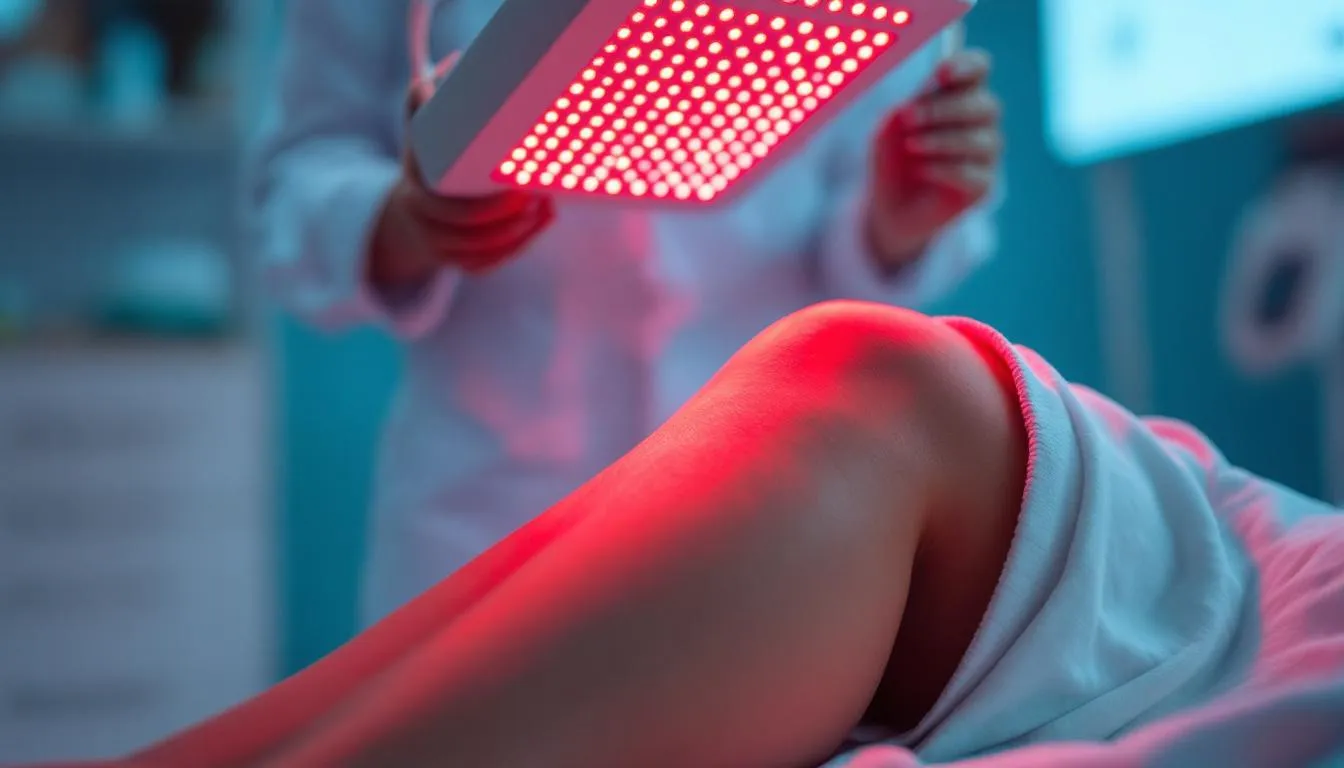
The session itself is quiet and simple. You stand or lie in front of the panel. Some larger facilities have walk-in booths where the panels surround you from multiple sides. You relax, stay relatively still, and let the light do its work. There's no heat in the UV-tanning-bed sense. Some near-infrared panels produce a gentle warmth, which most people find pleasant. You won't see dramatic results during the session. That's not how it works.
Session duration varies by device, your goals, and the facility's protocol. Most standard sessions run between 10 and 20 minutes. Some medical protocols are shorter but more targeted. The how long to do red light therapy question has a nuanced answer that depends on device power, distance from the panel, and treatment goals. Most facilities in Las Vegas have standardized their session lengths, and their staff should be able to explain the reasoning. If they can't, that tells you something.
You might feel nothing during the session and nothing immediately after. Some people notice a subtle sense of relaxation or improved circulation. The real effects build over multiple sessions. Don't go into session one expecting transformation. Go in expecting a foundation.
Pricing in Las Vegas: what you'll actually pay
Las Vegas pricing for red light therapy reflects the city's wide range of venues and clientele. Let me give you a realistic picture.
Tanning salons with red light add-ons typically charge somewhere in the range of $5 to $20 per session, or offer monthly unlimited packages in the $30 to $60 range. These are the lowest entry points in the market, and they make consistent use financially accessible. The question is always whether the equipment justifies the price point, and that varies considerably.
Dedicated wellness centers that specialize in recovery modalities tend to price individual red light sessions between $30 and $60. They often offer packages that bring the per-session cost down. A 10-session package might run $200 to $400, making each session $20 to $40. Monthly memberships are increasingly common at these facilities, often bundling red light with infrared sauna and other modalities.
Medical spas in Las Vegas price red light therapy as part of clinical protocols. A single session can range from $50 to $150 or more, depending on the device used, the duration, and the staff involvement. Some medspa protocols include red light as a complement to other treatments like facials or laser procedures, in which case it's often bundled rather than priced separately.
Specialty sessions, like scalp treatments for hair loss or targeted joint protocols at clinical facilities, may be priced differently than standard body or face sessions, reflecting the specialized application and staff time involved.
The honest reality is that if you're visiting Vegas for a few days, a single red light session probably won't produce results you'll notice. It takes consistency. The better use of your Vegas time might be to try a session, see how you respond to the experience, and then decide whether to invest in a device or ongoing local sessions when you're back home. If you're a Vegas local, that's a different calculation, and building a relationship with a quality provider over months makes much more sense.
How to vet a quality provider in Las Vegas
Not all red light therapy is created equal. The devices vary enormously in quality, and the same is true of the providers operating them. Here's how to tell the good ones from the mediocre ones.
Ask about the specific device or devices they use. A reputable facility should be able to tell you the brand and model without hesitation. Look for established manufacturers known in the photobiomodulation research community. Consumer-grade devices exist, and some facilities use them to cut costs. Medical-grade devices are more expensive but produce better outcomes, particularly in terms of irradiance, which is the light intensity delivered to your tissue.
Irradiance matters enormously and is something most consumers never ask about. A low-powered device means you'd need to sit much closer or for much longer to get the same therapeutic dose as a high-powered device. Professional facilities should know their device's irradiance output at different distances and be able to explain why they use the protocols they use. If they look blank when you ask about milliwatts per square centimeter, that's a signal.
Ask what wavelengths their devices emit. The therapeutic sweet spots are well established. Red light in the 630 to 680 nanometer range and near-infrared in the 800 to 850 nanometer range are the most studied and most effective. Devices that only emit a single wavelength or that emit wavelengths outside these ranges may be less effective. Devices that claim to work at unusual wavelengths without research support deserve skepticism.
Look at the staff. Are they able to explain what photobiomodulation actually is? Can they describe, even simply, how the therapy works at the cellular level? Can they discuss what conditions respond well and what conditions require caution? You don't need a PhD-level explanation, but basic competence matters. A staff member who says "the light makes your cells happy" and can't go further than that is not a great sign.
Red flags to watch for: providers who claim red light therapy cures diseases, who promise dramatic results from a single session, who can't describe their equipment, who don't ask any health intake questions, or who can't explain why their pricing is what it is. Las Vegas has sophisticated consumers, and reputable businesses know this. Quality providers tend to be confident and transparent because they have genuine quality to back them up.
The red light therapy bed near me search is what many people do to find local options. But proximity is only one factor. Quality of equipment, expertise of staff, and clarity of protocols matter more.
Professional treatment vs. buying your own device
This is the question that every consistent red light therapy user eventually faces. And in Las Vegas, where sessions at quality facilities aren't cheap, it comes up sooner rather than later.
The case for professional treatment in Vegas is strong if you're a visitor without a device, if you want to try the therapy before committing to a home investment, if your goals are clinical (specific conditions being managed by knowledgeable staff), or if the social/ambient experience of a wellness center adds value to your life. Some people genuinely benefit from having a dedicated appointment they show up to. It creates a structure that's harder to maintain at home.
The case for buying your own device becomes compelling once you're using red light therapy consistently, say three or more times per week for multiple months. A quality full-body panel from a reputable manufacturer costs roughly what you'd spend on 6 to 12 months of professional sessions at a mid-tier Vegas facility. After that break-even point, every session is essentially free. And you can use it whenever you want, at home, in whatever configuration works for your schedule.
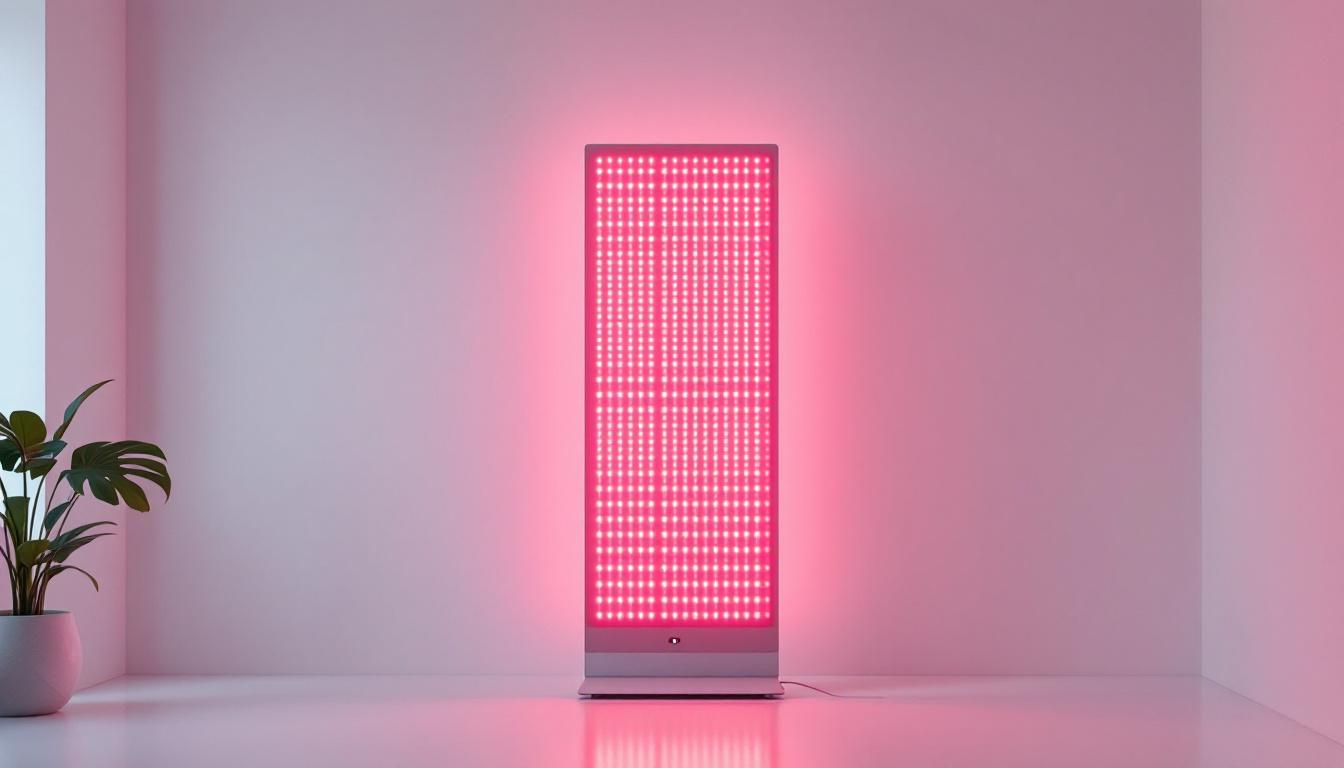
Red light therapy beds for home use and full-body panels represent significant upfront investments, typically $500 to $3000 depending on size and quality. But for consistent users, the math favors ownership within a year. The red light therapy bulbs category offers lower entry points for targeted use. Handheld devices work for specific body parts. Full panels work for full-body sessions.
If you're considering a home device, the same questions you'd ask a Las Vegas provider apply to the device: what wavelengths, what irradiance, what build quality, what certification. The red light mask before and after category is worth looking at for face-specific applications, since masks make it easy to treat the face consistently at home without managing panel distance and positioning.
The hybrid approach is also worth considering. Some Las Vegas locals do a professional session once or twice a month for the more powerful, full-body experience of medical-grade equipment, while using a home device for the frequent, convenient maintenance sessions. This combines the best of both approaches.
One thing worth knowing about home devices: the category has matured significantly. Early consumer devices were weak, and the skepticism about at-home red light therapy was partly justified by those early products. Today's better home panels have irradiance levels that would have been considered professional-grade a few years ago. The key is buying from a company that publishes actual test data on their irradiance output and wavelength accuracy, not just marketing claims. If a company can't tell you the milliwatts per square centimeter at a specific distance, move on.
The red light therapy for weight loss near me searches that many Vegas visitors run often lead them to standalone body contouring facilities that use red light as part of a multi-modal protocol. These are slightly different from the standard red light therapy session we've been discussing. They often pair red light with vibration platforms, far-infrared wraps, or other modalities designed to promote circulation and fat mobilization. The evidence base for these specific combination protocols is thinner than for standalone red light therapy, but many people report positive experiences. If body contouring is your primary goal, ask the facility how their protocol specifically works and what outcomes their clients typically see over what timeframe.
Traveling to Las Vegas specifically for wellness tourism
This is a real and growing trend. People plan trips to Las Vegas explicitly to access treatments and wellness experiences not available where they live, or to consolidate multiple treatments into an efficient trip.
If you're coming to Vegas with wellness as a primary goal, do your research before you arrive. Book appointments in advance. Facilities in desirable locations on or near the Strip can fill up quickly, and walk-in appointments aren't always possible for full clinical sessions. A few calls or website inquiries before your trip ensures you don't arrive to find everything booked.
Think about what you're trying to accomplish in three to five days. Red light therapy fits into a wellness tourism itinerary well because sessions are short. A 20-minute session doesn't consume your day. You can pair it with other experiences, a morning infrared sauna session, an afternoon red light treatment, an evening recovery stretch class, without any of them competing significantly for your time.
Consider whether it makes more sense to choose a hotel with on-site wellness facilities versus booking treatments at standalone clinics. Some of the larger Strip hotels have invested significantly in their spa and wellness offerings. On-site access is convenient, though pricing may reflect the premium location.
Las Vegas's extreme climate creates some specific considerations for wellness tourism. Summer heat, which can exceed 115 degrees Fahrenheit, affects how your body responds to heat-based modalities like infrared sauna. Pair that with red light therapy and hydration becomes critical. The dry air means you need more water than you think. Winter is milder and arguably better for intensive wellness itineraries, since the temperatures are more manageable and the outdoor air is easier on your respiratory system.
The concentration of options in Las Vegas also means you can comparison shop in person, which you can't easily do from your hometown. If you have three or four days in the city, it's genuinely feasible to visit two or three different types of facilities and get a real feel for the differences in equipment, staff, and overall experience. This kind of informed, firsthand comparison is how people make smart decisions about which type of provider to use going forward, whether that means continuing to use professional services during future Vegas trips or finally pulling the trigger on a home device purchase.
Don't overlook the hotel concierge as a resource. The major Strip hotels have relationships with every wellness provider in the city. A good concierge can help you find the right match for your specific goals and budget, make calls on your behalf, and sometimes secure preferred pricing or availability. If you're staying at a major resort, use this resource.
For locals, the wellness tourism framing is still useful as a mental model. Treating your home city's wellness infrastructure with the same intentionality that a tourist brings to planning their trip produces better outcomes. Instead of wandering into whatever facility is geographically convenient, do the research. Call ahead. Ask the right questions. Commit to a protocol. The difference between casual drop-in red light therapy and an intentional, consistent protocol with quality equipment is the difference between interesting experiment and genuine therapeutic benefit.
Combining red light therapy with other Las Vegas wellness offerings
Las Vegas has one of the densest concentrations of wellness facilities outside of major coastal cities. The combination options are extensive.
Infrared sauna and red light therapy are the most natural pairing. They share a wellness center customer base, and many facilities offer them together. The red light therapy vs infrared sauna comparison explains that they work through different mechanisms and complement each other rather than competing. Infrared saunas raise your core temperature, promote sweating, and produce cardiovascular and detoxification benefits. Red light therapy works at the cellular level without significant heat. Done in sequence, typically red light before or after a sauna session, the combination covers more physiological ground than either alone.
Cryotherapy is another popular partner. Some Vegas facilities use whole-body cryotherapy (brief exposure to extremely cold temperatures) followed by red light therapy. The cryo reduces acute inflammation and provides a powerful stimulus to the nervous system. The red light therapy afterward supports cellular recovery and energy production. Athletes and people managing chronic pain particularly appreciate this combination.
Float tanks and sensory deprivation are available at several Las Vegas facilities. These aren't typically combined with red light in a single session, but they serve similar clients interested in recovery and performance. Some people do red light therapy after a float session as a way to continue the recovery focus.
Massage and bodywork can combine naturally with red light therapy. Some clinical facilities use red light before massage sessions to increase blood flow and tissue pliability. It can make manual therapy more effective by preparing the tissue.
IV infusion therapy has become ubiquitous in Las Vegas. Whether you're interested in hydration drips, vitamin C infusions, or NAD+ protocols, the city has numerous providers. These don't physically combine with red light therapy in a single session, but they serve overlapping wellness goals. If you're building a multi-day Vegas wellness itinerary, these are complementary options worth considering.
If you're exploring red light therapy for lymphatic drainage, some Las Vegas facilities that offer manual lymphatic drainage massage also have red light therapy available, and the two can complement each other in supporting circulation and fluid movement.
Frequently asked questions
Is red light therapy available on the Las Vegas Strip?
Yes, several hotels and facilities on or near the Strip offer red light therapy. The availability has expanded significantly in recent years as the city's wellness infrastructure has grown. You'll find options ranging from hotel spa amenities to standalone medical spas within walking distance of major resort properties. Calling ahead to confirm availability and book in advance is always the right approach.
How is red light therapy in a Las Vegas tanning salon different from a medical spa?
The biggest differences are equipment quality and staff expertise. Tanning salons often use consumer or mid-grade devices and may have staff with limited training on the science behind the therapy. Medical spas invest in medical-grade equipment with higher irradiance and more consistent wavelength output, and their staff typically have more education on applying the therapy to specific conditions. For casual exploration and budget-conscious access, tanning salons work. For specific therapeutic goals, a medspa or dedicated wellness center tends to be worth the additional cost.
Can I get red light therapy as a visitor just passing through Vegas for a day or two?
Absolutely. Many facilities accept single-session walk-ins or same-day bookings. A single session won't produce lasting transformative results, but it's a reasonable way to experience the therapy, see how your body responds, and decide whether you want to invest in ongoing sessions or a home device. Think of a single Vegas session as an informed trial rather than a cure.
What should I avoid doing immediately after a red light session?
Avoid intense UV sun exposure immediately after a session, since red light therapy increases blood flow to the skin. If you're in Vegas and plan to spend time by the pool, schedule your red light session for after the pool time, not before. Also avoid applying harsh chemical products to treated skin for at least an hour after a session. Everything else in your day, working out, eating, meetings, going out, is completely fine.
Does the Las Vegas climate affect how red light therapy works?
The desert environment's low humidity affects hydration, which in turn affects how your body responds to treatments generally. Dehydration blunts the beneficial effects of most wellness therapies. Drink more water than you think you need, especially in summer. The heat can also affect how much time you spend in direct sun, which as mentioned should be considered when timing your red light sessions. The therapy itself isn't affected by the outdoor climate once you're inside the facility.
Is red light therapy safe for people on medication?
Most medications don't interact with red light therapy. The exception is photosensitizing medications, which can increase skin sensitivity to light. These include certain antibiotics, some antidepressants, specific acne treatments, and various others. If you take any medication that comes with sun sensitivity warnings, mention this to the facility before your session. Most facilities with competent staff will ask about this during intake. For more specific safety considerations, is red light therapy safe for pregnancy and other population-specific safety questions are covered in detail at SeekRedLight.
How many sessions should I book if I'm in Las Vegas for a week?
If you're spending a full week in Vegas and want to experience meaningful benefit, three to five sessions spread across the week is a reasonable goal. This gives you enough exposure to notice some initial effects without overdoing it. Can you do too much red light therapy? The answer is nuanced, but excessive sessions in a short window don't accelerate results and can actually diminish them. More isn't always better. Three to five 15 to 20 minute sessions across seven days is a sensible, research-consistent approach.
How does red light therapy at Planet Fitness or commercial gyms compare to dedicated wellness centers?
Commercial gym red light therapy, like what's offered at Planet Fitness, typically uses consumer-grade full-body booths. These are accessible, convenient, and affordable, but the device quality and irradiance levels are generally lower than what you'd find at a dedicated wellness center or medical spa. For general wellness maintenance and muscle recovery, they can work. For specific therapeutic goals, a dedicated facility with better equipment is worth the additional investment.
Related guides
- Red light therapy bed near me
- Red light tanning beds
- Tanning beds and red light therapy chicago
- How long to do red light therapy
- Red light therapy at Planet Fitness
Sources
In case I don't see you, good afternoon, good evening, and good night. May your wavelengths stay calibrated, your sessions keep delivering, and every visit to Vegas feel a little more therapeutic. Explore SeekRedLight for in-depth guides and tools to get the most out of every red light therapy session.