Red Light Sunbed: Complete Guide to Full-Body LED Therapy
What is a red light sunbed, how it works, real benefits, session protocols, and how full-body LED pods compare to home panels. Everything you need to know.
You step into a room, lie down inside a glowing pod, and for the next fifteen minutes your skin is bathed in warm, deep-red light. No UV rays. No heat that makes you sweat. No tan lines forming. Just photons doing quiet, cellular-level work. That's a red light sunbed. And if you've been curious about what it is, whether it actually works, and whether a salon session beats a home panel, you're in the right place.
This guide covers everything: the science, the benefits, the protocols, the honest trade-offs, and how to find a quality session near you. We'll look at what the research says, what you can realistically expect, and how to get the most out of every minute inside one of these full-body LED pods.
SeekRedLight has put together this deep-dive because red light sunbeds are one of the most misunderstood tools in modern wellness. Most people either lump them in with regular tanning beds (they're not the same) or assume they're some kind of spa gimmick. Neither is accurate. They're legitimate photobiomodulation devices with a real, growing body of research behind them.
Let's start at the beginning.
What is a red light sunbed?
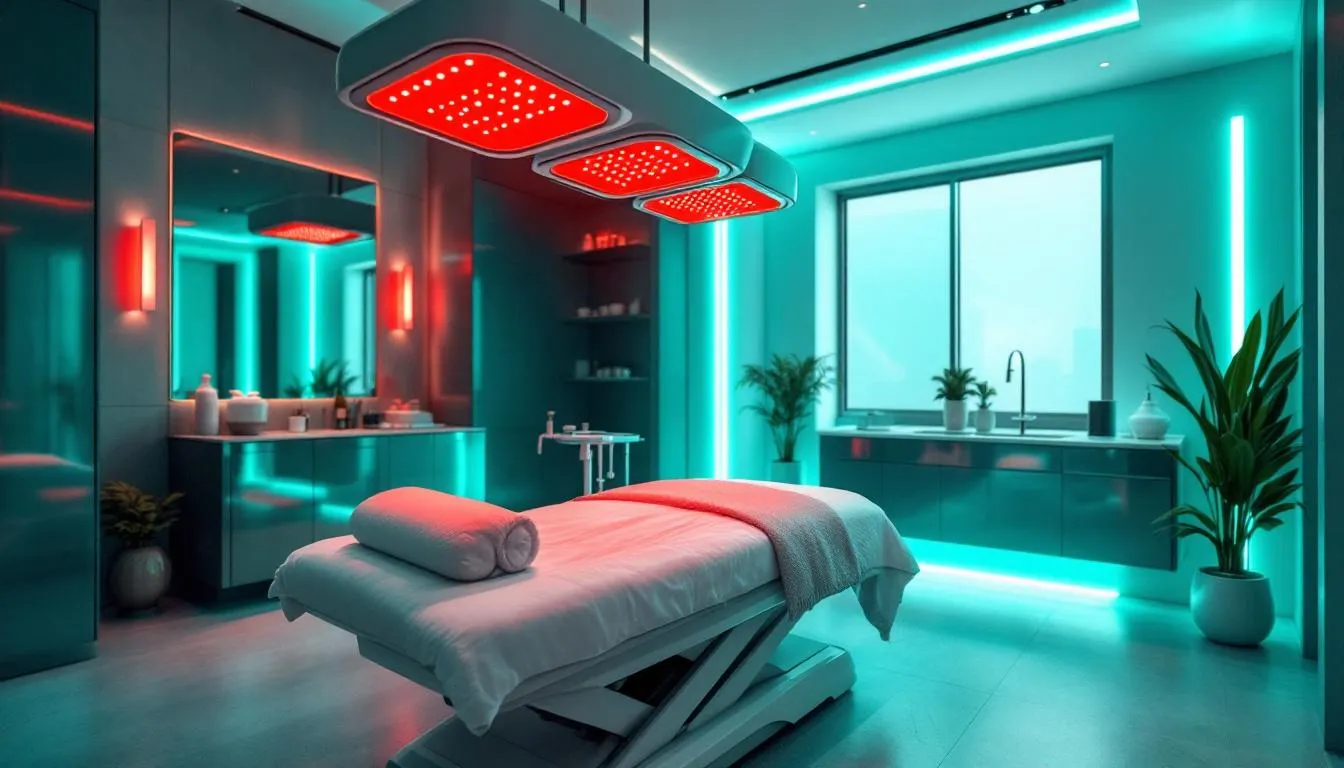
A red light sunbed is a full-body LED device that delivers therapeutic red and near-infrared (NIR) light to the entire surface of your body simultaneously. It looks similar to a traditional tanning bed, with a horizontal pod design where you lie down and panels close around you. But that's where the similarity ends.
Traditional tanning beds use ultraviolet (UV) light to trigger melanin production and give you a tan. UV light damages DNA in skin cells, which is why tanning beds are associated with skin cancer risk. A red light sunbed uses completely different wavelengths: typically 630-660 nanometers (red) and 810-860 nanometers (near-infrared). These wavelengths don't damage skin cells. They do the opposite.
Red light therapy at these specific wavelengths activates photoreceptors inside your mitochondria, the energy-producing organelles in every cell. The result is a cascade of beneficial cellular processes: increased ATP production, reduced inflammation, accelerated tissue repair, and enhanced collagen synthesis. None of that happens with UV light.
The term "sunbed" in this context is really just about the form factor. The horizontal pod design allows panels to surround your body on multiple sides, delivering light to your front, back, and sides at once. This is significantly more efficient than a single panel device where you have to treat each body part separately.
Red light sunbeds started appearing in wellness clinics and high-end spas in the early 2010s. By the mid-2010s, tanning salons began adding them as an upsell to their UV services. Today you'll find them in gyms, med spas, sports recovery centers, and dedicated red light therapy studios. The hardware has improved considerably, with better irradiance output, more refined wavelength combinations, and more even coverage across the body.
What makes them distinct from both home panels and other devices is the full-body simultaneous exposure. When you treat your entire skin surface at once, you're not just targeting a condition in one area. You're doing what researchers call "systemic" photobiomodulation. You're giving every cell in your body a cellular energy boost at the same time.
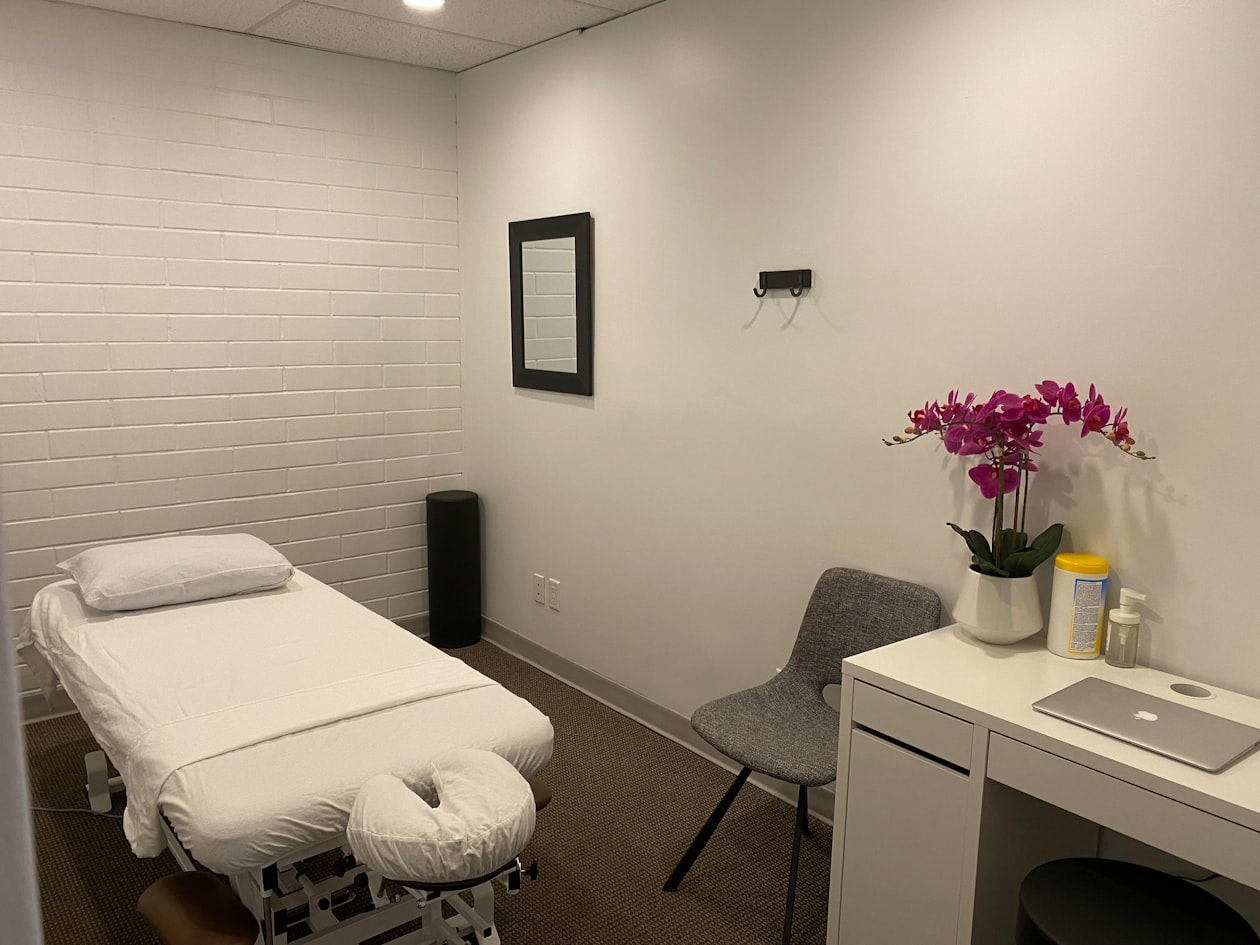
How red light sunbeds work: the science
Understanding why red light sunbeds work requires a quick look at mitochondrial biology. Stay with me here because this isn't dry science. It's actually fascinating.
Inside every cell in your body, mitochondria convert nutrients into adenosine triphosphate (ATP), the molecule your cells use for energy. Everything your body does, from healing a wound to building collagen to contracting a muscle, runs on ATP. When your cells are stressed, inflamed, or aging, mitochondrial function declines. ATP production drops. Recovery slows. Inflammation rises.
Red and near-infrared light interacts with a specific enzyme in the mitochondrial electron transport chain called cytochrome c oxidase (CCO). This enzyme is a natural photoreceptor. When it absorbs photons in the 630-850nm range, it works more efficiently. ATP production increases. Reactive oxygen species (ROS) are reduced. The cell shifts into a more optimized, anti-inflammatory state.
This process is called photobiomodulation (PBM).
The specific wavelengths matter a great deal. Red light in the 630-660nm range penetrates a few millimeters into tissue, making it ideal for skin-surface work: collagen production, wound healing, skin tone improvement. Near-infrared light at 810-860nm penetrates deeper, reaching muscles, joints, nerves, and even bone tissue. Quality red light sunbeds use both ranges together, giving you simultaneous surface and deep-tissue benefits.
Understanding how photobiomodulation works at the cellular level explains why the same device can help with seemingly unrelated conditions, from wrinkles to knee pain to hair loss. It's not magic. It's mitochondria.
The full-body aspect amplifies this. When every cell in your skin surface simultaneously receives a photobiomodulation stimulus, you're triggering a systemic response. The body's anti-inflammatory and regenerative processes kick in at a whole-body level. Studies on full-body PBM suggest it can influence circulating inflammatory markers, not just local tissue in the treatment area.
Wavelength combinations in sunbeds
Different red light sunbed manufacturers use different wavelength combinations. The most common configurations are:
Red + NIR (dual wavelength): The gold standard for most applications. Typically 630/660nm red combined with 830/850nm NIR. Covers both surface skin work and deep tissue penetration. Most full-body pods use some version of this.
Red only: Some older or budget devices use only red wavelengths (635-660nm). These work well for skin concerns but have limited deep-tissue reach. You won't get joint pain or muscle recovery benefits from red-only devices.
NIR-heavy configurations: Some devices designed for muscle recovery and pain management weight their output toward 830-850nm NIR, with less red. Good for athletes and people targeting pain or recovery rather than skin health.
When you're evaluating a red light sunbed facility, ask about the wavelength specifications. Any quality operator should be able to tell you exactly what wavelengths their devices emit.
What happens during a red light sunbed session
Most people are nervous before their first session. The anticipation is almost always worse than the reality.
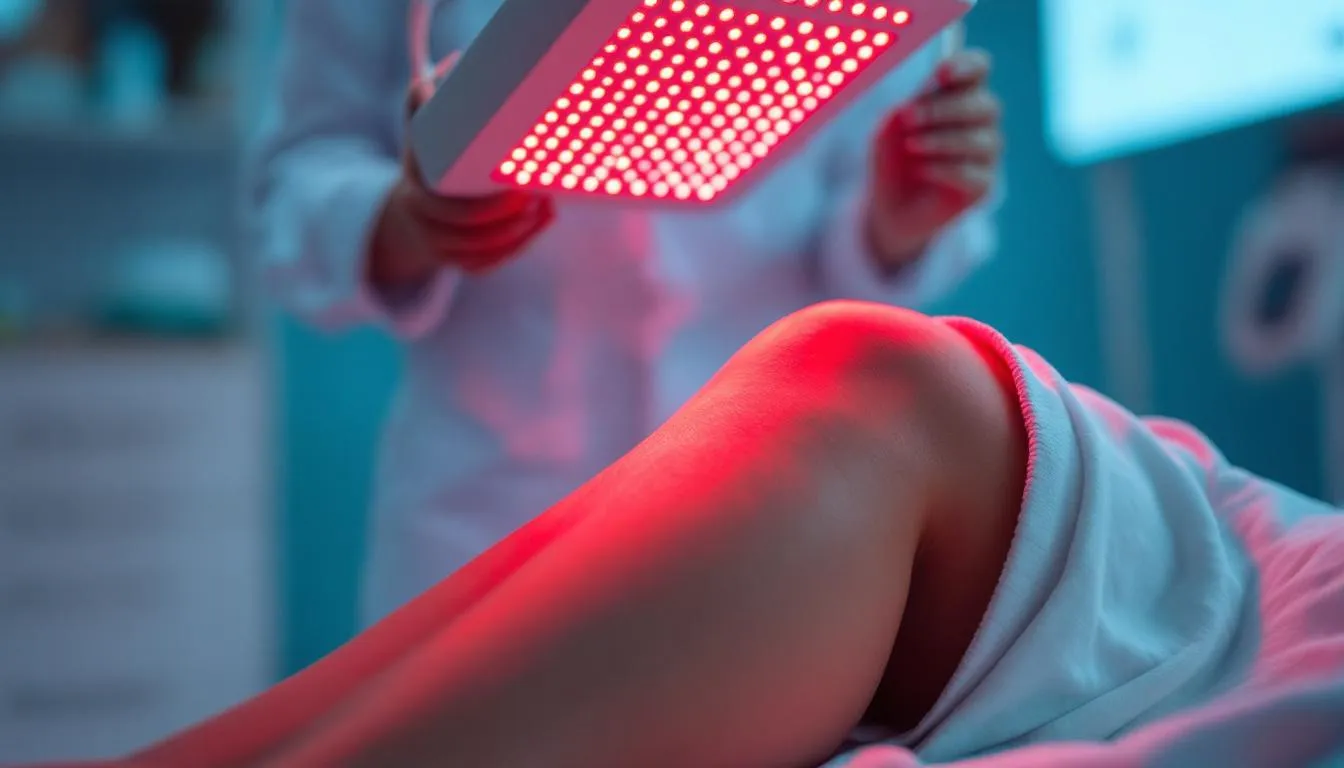
You'll typically undress completely or to your comfort level (underwear is fine, though removing clothing exposes more skin to light). Eye protection is important. The light isn't blinding, but extended exposure to high-intensity red light can cause eye strain, and some facilities require protective goggles. Bring your own or use the ones provided. If you want to learn more, our guide to red light therapy eye protection breaks down the options.
You lie down in the pod. Some models have you lie on your back with panels above and below, then flip halfway through. Others fully surround you so you don't need to flip. The pod closes (or comes to a certain height above you, depending on the design) and the lights come on.
What do you feel? Warmth. A gentle, even warmth that's nothing like the intense heat of a sauna. The light looks intensely red when you close your eyes. It's actually quite relaxing. Many people use the time to meditate, listen to music, or simply rest.
Sessions typically run 10-20 minutes. Some facilities offer 8-minute sessions, others go as long as 30 minutes. The right duration depends on the device's irradiance output and your specific goals. We'll cover dosing in detail in the protocols section.
After the session, you'll feel... fine. Sometimes slightly energized. Some people notice a faint warmth in their skin for 20-30 minutes afterward. There's no peeling, no redness, no recovery period. You walk out and go about your day.
The most common reaction is surprise at how underwhelming the experience feels. Don't confuse a lack of drama with a lack of effect. The cellular-level changes happening during and after a session are real. They just don't announce themselves with any dramatic sensation.
Red light sunbed benefits: what the research supports
Let's be clear about something upfront: photobiomodulation research is genuinely impressive in volume, but the red light sunbed format specifically has less direct study than single-panel or targeted devices. Most research uses smaller, targeted devices. The benefits below are supported by the broader PBM research, applied to the full-body context.
Skin health and anti-aging
This is the most thoroughly researched application of red light therapy. Multiple randomized controlled trials show that red light at 630-660nm stimulates fibroblasts to produce more collagen and elastin. Skin becomes firmer, fine lines reduce, texture improves, and overall tone becomes more even.
One landmark study published in the journal Photomedicine and Laser Surgery found that participants who received red light therapy twice a week for 15 sessions showed significant improvements in skin complexion, collagen density, and periorbital wrinkles compared to controls.
For the red light sunbed format, the full-body coverage means you're treating not just your face but your neck, chest, hands, and the rest of your body simultaneously. The areas that most visibly age (face, neck, hands, décolletage) all get treatment at once. Check out red light mask before and after results to see what consistent treatment can do for facial skin specifically.
If you're combining red light with topical skincare, timing matters. Retinol and red light therapy work differently together than you might expect. Read that before you start stacking them.
Fat reduction and body contouring
This is where things get interesting and, if we're being honest, a bit more controversial. Red light at 635-650nm has been shown to affect adipocytes (fat cells) in ways that promote fat release. The mechanism involves the creation of temporary pores in fat cell membranes, allowing triglycerides (stored fat) to escape. The body then processes and eliminates this released fat through normal metabolic pathways.
Clinical studies using devices like the Zerona laser (which uses low-level red laser at 635nm) showed measurable reductions in waist, hip, and thigh circumference in controlled settings. The full-body sunbed format exposes a much larger surface area to these wavelengths simultaneously.
That said, red light isn't a weight loss tool in isolation. It doesn't burn fat the way exercise does. Think of it more as a fat mobilizer: it helps release stored fat, but you still need your body to metabolize and use it. The best results come when red light therapy is combined with exercise and good nutrition. Red light therapy for fat loss covers the research in more depth.
For body contouring specifically, red light body contouring is a dedicated treatment protocol worth understanding before you commit to a series of sessions.
Muscle recovery and performance
Athletes have been quietly using red light therapy for years. The mechanism here is straightforward: red and NIR light reduce inflammation and oxidative stress in muscle tissue, speed up the removal of lactate, and accelerate muscle repair after training. This means less soreness, faster recovery, and the ability to train harder more frequently.
Research published in sports medicine journals shows that pre-workout red light therapy can improve muscle performance, and post-workout treatment reduces delayed onset muscle soreness (DOMS). For anyone doing serious training, a full-body sunbed session after a hard workout is a meaningful recovery tool.
The deep-penetrating NIR wavelengths in a quality sunbed reach muscle tissue and even tendons and joint surfaces. For tendon injuries, red light therapy for tendonitis outlines what the research says about timelines and protocols.
Joint pain relief
Near-infrared light at 810-850nm penetrates deep enough to reach cartilage, synovial membranes, and subchondral bone. For people with arthritis, bursitis, or chronic joint pain, this deep tissue reach is significant. Studies show that PBM reduces pro-inflammatory cytokines in joint tissue and stimulates the production of anti-inflammatory compounds.
For someone dealing with multiple areas of joint pain simultaneously (both knees, hips, and lower back, for example), a full-body sunbed session treats them all at once rather than requiring separate targeted sessions. Red light therapy for joint pain is the full deep-dive if you want protocols and research.
The red light therapy for neuropathy research is also relevant here. NIR light has been shown to support nerve function and reduce neuropathic pain signals.
Hair growth
Red light at 630-660nm stimulates hair follicle cells and extends the anagen (active growth) phase of the hair cycle. This is the mechanism behind FDA-cleared laser hair growth devices like the iGrow cap and various laser combs.
In a full-body sunbed, the red wavelengths hit your scalp along with the rest of your body. It's not a targeted hair treatment, but it does provide the correct wavelengths to your scalp as part of the session. For more consistent hair growth results, targeted scalp devices work better. But incidental scalp exposure during sunbed sessions contributes to the effect. Red light therapy for hair loss covers this in detail.
Mood, energy, and sleep quality
This is the area that surprises most people. Red light therapy appears to have measurable effects on mood and circadian rhythm. The mechanisms include increased serotonin and dopamine production (both linked to CCO activation in neurons), reduced cortisol levels, and improved mitochondrial function in brain cells.
The circadian rhythm effect is particularly interesting. Red and NIR light in the evening doesn't suppress melatonin the way blue-white light does. Some research suggests that evening red light exposure actually improves sleep quality by supporting melatonin production. Red sleep light bulbs explore this concept for home lighting, but the full-body sunbed version delivers the same circadian-supportive wavelengths systemically.
For anyone dealing with seasonal mood dips, chronic fatigue, or disrupted sleep, a consistent red light sunbed practice is worth considering as part of a broader approach.
Inflammation and systemic health
Perhaps the most far-reaching benefit of full-body PBM is systemic inflammation reduction. Chronic low-grade inflammation underlies most chronic disease: cardiovascular disease, type 2 diabetes, autoimmune conditions, obesity, and more. Studies using full-body PBM devices have shown reductions in circulating inflammatory markers like C-reactive protein (CRP) and interleukin-6 (IL-6).
This systemic effect is unique to full-body treatment. When you're treating your entire skin surface at once, you're not just addressing local inflammation in a knee or a skin patch. You're giving your entire body an anti-inflammatory signal. For people managing chronic inflammatory conditions, this matters.
Red light sunbed vs home panels: which is better?
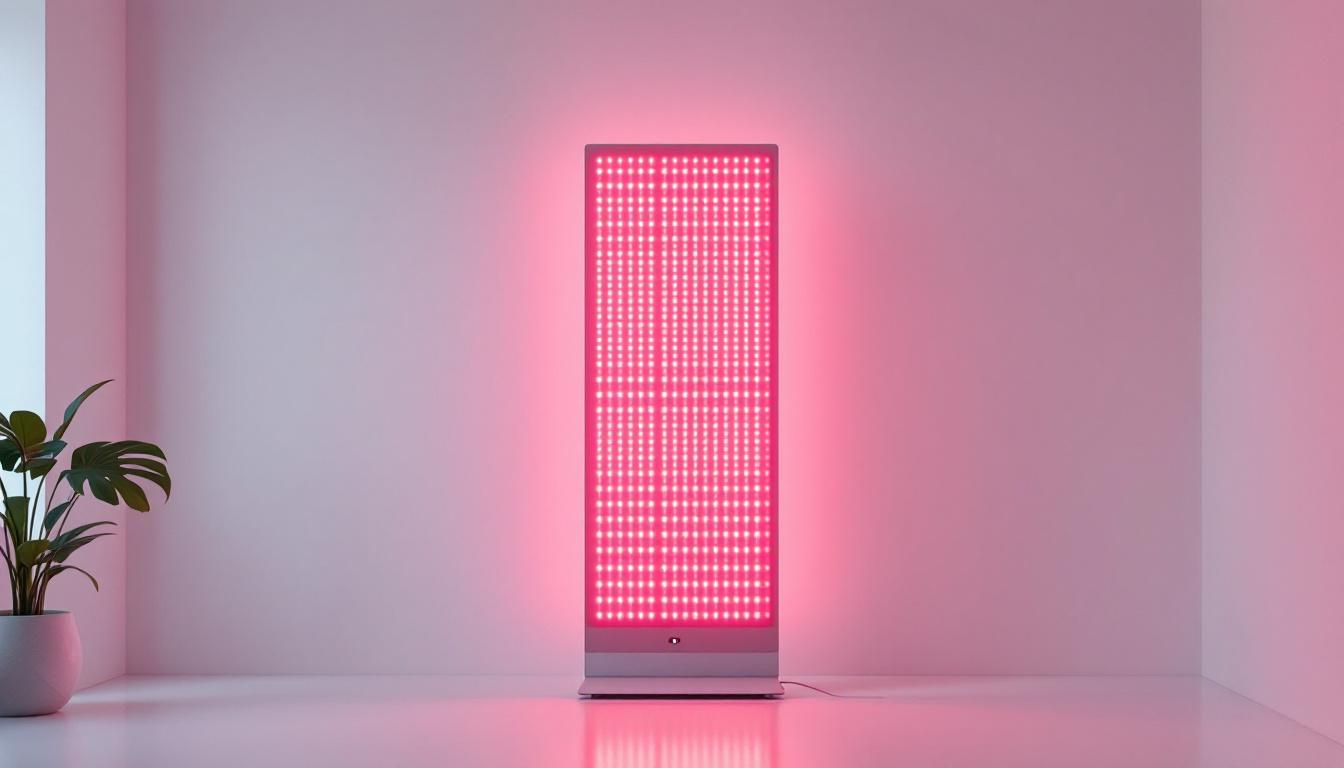
This is the question everyone eventually asks. You can buy a decent home red light panel for a few hundred dollars. A single salon sunbed session costs $15-60. So which makes more sense?
The honest answer: it depends on what you're treating and what your budget looks like over the long term.
Coverage
A full-body sunbed wins here, easily. It treats your entire body simultaneously. Even a large home panel (like a full-body panel or panel set) requires you to position yourself in front of it and treat areas sequentially. The sunbed's simultaneous full-body exposure triggers more of a systemic response.
Irradiance
This is more nuanced. Quality home panels from reputable brands (Joovv, Mito Red, PlatinumLED) deliver 50-150+ mW/cm² at typical treatment distances. Some commercial sunbeds are comparable. Others, particularly older or lower-quality salon devices, deliver less. Ask for the spec sheet.
Cost over time
Do the math. If you're doing 3 sessions per week at $25 per session, that's $300/month. A high-quality home panel that covers your full body costs $800-2,500 upfront but then costs nothing per session. If you're consistent, a home device pays for itself in a matter of months. Red light therapy beds for home use covers the home options in detail.
The counter-argument: salon sunbeds offer full-body coverage that a single home panel can't match without buying a very large and expensive setup. If you can't justify the upfront cost of a comprehensive home setup, regular salon sessions might be the better economic choice initially.
Consistency and convenience
Home devices win on convenience. Rolling out of bed and doing a 15-minute treatment in your living room beats driving to a salon, waiting, undressing, and driving home. Consistency is the single biggest driver of results with red light therapy. Anything that reduces friction increases consistency.
If the nearest quality red light sunbed is 20 minutes away, you're probably not going to use it 3-4 times per week long-term. A home panel you walk past every morning is much more likely to get used consistently.
When salon sunbeds make sense
Salon sunbeds are great for: trying the therapy before committing to a home device, accessing full-body simultaneous coverage you can't replicate at home, supplementing a home device with occasional deeper sessions, and treating specific conditions where systemic full-body exposure is beneficial.
| Factor | Salon Sunbed | Home Panel |
|---|---|---|
| Full-body simultaneous coverage | Yes | Depends on setup |
| Cost per session | $15-60 | Effectively $0 after purchase |
| Long-term cost | High (ongoing) | Low (one-time) |
| Convenience | Requires travel | On-demand at home |
| Wavelength variety | Good (if high-quality) | Excellent (control your own) |
| Accountability | Built-in appointment | Requires self-discipline |
Red light sunbed vs infrared sauna
Both are popular in modern wellness facilities. Many spas now offer both. They're often mentioned together, but they work through completely different mechanisms and aren't interchangeable.
An infrared sauna uses far-infrared wavelengths (3,000-10,000nm) to heat the body from within. The therapeutic benefit is primarily through hyperthermia: the elevated core body temperature triggers heat shock proteins, cardiovascular conditioning responses, detoxification through sweating, and relaxation effects. The penetration depth of far-infrared is significant, but the mechanism is thermal.
A red light sunbed uses red and near-infrared wavelengths (630-860nm) that work at the cellular mitochondrial level. The mechanism is photochemical, not thermal. The body temperature doesn't significantly rise. You don't sweat. You're not detoxifying through sweat. You're stimulating ATP production and anti-inflammatory signaling.
Red light therapy vs infrared sauna covers this comparison in full, but here's the quick summary:
For cardiovascular conditioning and detoxification via sweating: infrared sauna wins. For skin health, collagen production, and targeted tissue repair: red light therapy wins. For general anti-inflammatory and recovery purposes: both work, through different pathways. Many serious biohackers use both regularly, often doing red light before a sauna session to prime cellular function before the thermal stress of the sauna.
They're complementary, not competitive. If you have access to both and can afford both, alternating them or combining them strategically gets you the benefits of each.
How often should you use a red light sunbed?
More is not always better with red light therapy. This trips people up.
Photobiomodulation follows a biphasic dose-response curve. Low-to-moderate doses stimulate the beneficial effects. Very high doses can become inhibitory. This is called the Arndt-Schulz principle. In practice for most people using commercially available sunbeds, overdosing is unlikely but possible if you're doing very long daily sessions.
For general wellness and anti-aging: 3-5 sessions per week is the sweet spot for most people starting out. Sessions of 10-20 minutes each. After a month of consistent use, you can often reduce to 2-3 times per week for maintenance.
For skin improvement: 5 sessions per week for the first 4-8 weeks, then dropping to 3 per week for maintenance. Consistency matters more than intensity. Regular 10-15 minute sessions beat occasional long sessions.
For muscle recovery: A session within 2-4 hours after training works well for recovery. Most athletes do 10-20 minute post-workout sessions on training days, which often works out to 3-5 times per week.
For chronic pain: Start with 5 sessions per week for the first month, then assess. Pain relief often requires a longer ramp-up period before significant improvement. Most people notice meaningful changes at the 4-8 week mark. How long to do red light therapy has the dosing framework in detail.
The question "can you overdo red light therapy" comes up constantly. The honest answer is: with commercial sunbeds at typical irradiance levels, doing one session per day is generally fine. Multiple sessions per day in the same area might become counterproductive. Can you do too much red light therapy covers the upper limits of sensible dosing.
One important note: consistency beats intensity. Someone who does 15-minute sessions three times a week for twelve weeks will see dramatically better results than someone who does five sessions in one week, drops out for a month, and occasionally returns. Make it a habit.
How to find a red light sunbed near you
Red light sunbeds are more widely available than most people realize. Here are the most common places to find them.
Tanning salons
Tanning salons were among the first commercial venues to add red light therapy beds, typically as an upsell alongside UV tanning. Many chains now have dedicated red light therapy pods in addition to their UV equipment. The quality varies widely. Some tanning salons have invested in excellent, high-irradiance devices. Others have older, underpowered equipment.
When evaluating a tanning salon's red light offering, ask specifically about wavelengths and irradiance. A quality device should be delivering at least 30-50 mW/cm² at the treatment distance. If the staff can't tell you the specs, that tells you something.
Tanning beds and red light therapy in Chicago and red light tanning beds cover this intersection in more detail.
Planet Fitness
Planet Fitness added red light therapy to many of their locations as part of the Black Card membership upgrade. The devices they use vary by location, but it's become a mainstream touchpoint for many people's first red light experience. Red light therapy at Planet Fitness covers what to expect from their specific setup and whether the Black Card is worth it for this benefit.
Wellness spas and med spas
High-end wellness spas and medical spas (med spas) often have the best quality equipment, with proper full-body pods from established manufacturers. The sessions cost more ($30-60 per session typically), but the devices are usually better maintained and more precisely calibrated. If you're starting out and want to properly experience what a quality red light sunbed can do, a med spa is a good first stop.
Sports recovery and performance centers
Many sports recovery centers, particularly those catering to athletes, now include red light sunbeds alongside cryotherapy, massage, and compression therapy. These facilities tend to have excellent equipment because their clientele demands it. If you're primarily using red light for muscle recovery and performance, this is often the best venue.
Dedicated red light therapy studios
In major cities, you'll now find studios dedicated entirely to red light therapy. These specialists typically have the highest quality equipment, the best-trained staff, and the most refined session protocols. They're also usually the most expensive. If you're serious about a consistent long-term practice before committing to home equipment, a dedicated studio gives you the best possible experience.
What to look for when choosing a facility
Not all red light sunbeds are equal. Here's what separates a good facility from a bad one:
Wavelength specificity: Staff should know exactly what wavelengths the device emits. "Red light" isn't specific enough. You want to know if it's 630nm, 660nm, 830nm, 850nm, or some combination. Ask.
Irradiance documentation: A reputable facility will know the power output of their devices. Ask for mW/cm² at the typical treatment distance. Anything under 20 mW/cm² at 6 inches is underpowered for meaningful therapy.
Device maintenance: When were the LEDs last tested? LED diodes degrade over time and their output decreases. A facility that can tell you their maintenance schedule takes their equipment seriously. One that looks at you blankly when you ask hasn't thought about this.
Cleanliness: The pods should be properly sanitized between sessions. This should be obvious but isn't always executed well.
Eye protection: The facility should offer or require eye protection. If they're cavalier about this, they're not taking the therapy seriously. Red light therapy goggles covers what adequate eye protection looks like.
What to look for in a quality red light sunbed
If you're evaluating facilities or considering a commercial device for a business, here's a more technical breakdown of what separates good equipment from bad.
LED quality and wavelength accuracy
LED diodes vary enormously in quality. Budget devices use inexpensive diodes that may not emit precisely at their stated wavelengths, or that degrade quickly. Medical-grade LEDs maintain their wavelength output and power levels over the device's lifetime. Look for manufacturers that publish third-party testing of their wavelength output.
The difference between 630nm and 670nm might sound trivial, but it's the difference between a wavelength with strong photobiomodulation evidence and one with much weaker evidence. Precision matters.
Irradiance and coverage uniformity
High irradiance at the center of the treatment area with weak coverage at the edges is a common issue with lower-quality pods. You want even distribution across the entire body surface. Look for devices from manufacturers who publish irradiance maps showing output across the full panel, not just at the center.
Treatment distance
Full-body pods need to be calibrated for the typical body-to-panel distance. Most horizontal pods have you lying at a set distance from upper panels, around 6-12 inches. At greater distances, irradiance drops significantly. This is one place where pods have an inherent advantage over some standing panel setups where treatment distance varies by body part.
EMF levels
Some people are concerned about electromagnetic field (EMF) exposure from LED devices. Quality manufacturers address this with proper shielding and circuit design. If this matters to you, look for devices that have been independently tested for EMF levels and publish those results.
Heat management
Quality pods have good thermal management so they don't overheat during sessions. Overheating can damage LED diodes and reduce device lifetime. It can also make sessions uncomfortable.
Safety: is a red light sunbed safe?
Generally, yes. Red and near-infrared light at therapeutic doses has an excellent safety profile. It doesn't damage DNA, doesn't cause mutations, and doesn't produce the harmful effects associated with UV radiation. The research literature contains thousands of studies with very few serious adverse events.
That said, there are some important safety considerations.
Eye protection
This is the most important safety measure. Looking directly at high-intensity LED arrays isn't safe for extended periods. The devices aren't dangerous in a single glance, but staring into a bank of powerful LEDs during a 15-minute session can cause eye strain and potentially contribute to retinal issues over time.
Use provided goggles, or bring your own. Red light therapy eyes open or closed covers what the research says about eye exposure. Simple blackout goggles work fine. Specialty options like full-block red NIR light glasses give you more specific protection if you want it.
Photosensitizing medications
Some medications make skin more photosensitive. These include certain antibiotics (tetracyclines, fluoroquinolones), diuretics, some antidepressants, and others. If you're on any prescription medications, ask your doctor whether they have photosensitizing effects before starting regular red light sessions.
Contraindications
Red light therapy is contraindicated or warrants caution in certain situations:
Active cancer: While there's no evidence that red light causes cancer, there's theoretical concern about stimulating growth of existing tumors (particularly photosensitive cancers). People with active cancer should consult their oncologist.
Epilepsy: Pulsed light modes may trigger photosensitive epilepsy. If a device offers pulsing, check whether it's active and at what frequency.
Pregnancy: The research on red light therapy during pregnancy is limited. Is red light therapy safe for pregnancy covers what we know. The general conservative recommendation is to avoid full-body devices during pregnancy.
Recent tattoos or open wounds: Don't treat over fresh tattoos or open wounds. Allow adequate healing first.
Is it the same as a regular tanning bed?
No. Completely different mechanism, completely different risks. UV tanning beds cause DNA damage and have well-established cancer risks. Red light sunbeds use non-ionizing wavelengths that don't cause DNA damage. Does red light therapy tan you answers this definitively.
SeekRedLight covers the safety profile of red light therapy in detail across multiple guides. The bottom line: when used correctly with eye protection and appropriate session lengths, red light sunbeds have an excellent safety record.
Red light sunbed protocols for specific conditions
Here's how to approach red light sunbed sessions for the most common use cases.
Anti-aging skin protocol
Goal: Reduce fine lines, improve skin tone and texture, stimulate collagen production.
Frequency: 5 sessions per week for 6-8 weeks, then 3 sessions per week for maintenance.
Session length: 10-15 minutes.
Timeline: Most people notice improved skin texture and radiance within 2-4 weeks. Wrinkle reduction and firming effects are more visible at 8-12 weeks of consistent use. Collagen remodeling continues for months.
Stack with: Hyaluronic acid or vitamin C serum applied before sessions (clean skin, no products if using active ingredients like retinol and red light therapy combo). Always keep eyes protected.
For facial anti-aging specifically, a dedicated red light mask used between sunbed sessions gives you more targeted treatment at optimal distances for face skin. Red light mask before and after shows realistic expectations.
Body contouring and fat loss protocol
Goal: Support fat mobilization, reduce circumferential measurements, improve skin appearance in treatment areas.
Frequency: 3-5 sessions per week.
Session length: 15-20 minutes.
Timeline: Clinical studies show measurable circumferential reduction at 4-8 weeks with consistent treatment, exercise, and caloric balance. Red light accelerates fat mobilization but doesn't replace the need for metabolic work.
Critical: Exercise within 30-60 minutes of your red light session. The fat released from adipocytes during treatment needs to be metabolized. Don't eat a large meal immediately after. Red light body contouring has the full protocol.
For those looking at local options specifically, red light therapy for weight loss near me covers how to find facilities in your area.
Muscle recovery protocol
Goal: Reduce DOMS, accelerate tissue repair, maintain training volume.
Frequency: After training sessions, 3-6 times per week as training demands.
Session length: 10-20 minutes.
Timing: Ideally within 1-4 hours post-training. Pre-training sessions can also improve performance, though timing matters. Some research suggests pre-training NIR can reduce lactate buildup during the following workout.
Timeline: Noticeable reduction in post-workout soreness typically within 2-3 weeks of consistent use. Long-term, consistent practitioners often report being able to train more frequently with less recovery downtime.
Joint pain protocol
Goal: Reduce inflammation, improve joint function and mobility, decrease pain.
Frequency: Daily or 5 times per week initially.
Session length: 15-20 minutes.
Timeline: Joint pain typically requires longer ramp-up periods than skin or muscle applications. Many people notice initial improvement at 4-6 weeks, with more significant improvement at 8-12 weeks of daily use. Red light therapy for joint pain covers specific joint conditions.
For foot-specific issues, red light therapy for feet addresses plantar fasciitis and foot neuropathy protocols that can be done in combination with full-body sunbed sessions.
Post-procedure recovery protocol
Red light therapy after certain cosmetic or medical procedures can dramatically accelerate healing. For microneedling specifically, it's become standard practice in many med spas to follow up with red light treatment. Red light therapy after microneedling covers the timing and what it does for post-procedure skin.
For other surgeries or procedures, always get clearance from your treating physician before starting red light sessions over healing tissues.
Red light sunbed and hyperpigmentation
One nuance worth covering separately: red light therapy can be used to treat red light therapy hyperpigmentation, but the full-body exposure context matters.
Red and NIR light at appropriate doses help normalize melanocyte activity and reduce the appearance of dark spots, uneven tone, and post-inflammatory hyperpigmentation (PIH). This is partly why full-body sunbed users often report more even skin tone across their body over time.
However, if you're combining red light therapy with any treatments that increase photosensitivity (certain topical retinoids, AHAs at high concentrations, or medications mentioned earlier), you need to be thoughtful about timing and sequencing.
Clean, unproducts skin gets the most from red light exposure. The light can't penetrate as well through thick layers of products. If you're treating hyperpigmentation seriously, schedule your sunbed sessions on days when you're not applying active topicals to the treatment area.
Frequently asked questions
What is the difference between a red light sunbed and a tanning bed?
A tanning bed uses ultraviolet (UV) light to darken skin by triggering melanin production. UV light damages skin cell DNA, which is why UV tanning beds are linked to skin cancer. A red light sunbed uses non-UV wavelengths (630-860nm) that don't cause DNA damage. They work by stimulating cellular energy production (ATP) through photobiomodulation. Red light sunbeds don't tan you. They work through an entirely different biological mechanism.
How long does it take to see results from a red light sunbed?
It depends on the condition you're treating. Skin texture and radiance improvements are often noticed within 2-4 weeks of consistent use. Wrinkle reduction and firming take 8-12 weeks. Joint pain improvements may take 4-8 weeks of daily sessions. Muscle recovery benefits are often felt after just a few sessions. Consistency is the single biggest predictor of results.
Can I use a red light sunbed every day?
Yes, daily sessions at typical commercial irradiance levels are generally safe. Most protocols recommend 5 sessions per week for an initial treatment phase, followed by a maintenance phase of 2-3 times per week. Multiple sessions per day in the same area isn't recommended, as it can move into inhibitory dosing territory. Can you do too much red light therapy covers the upper limits.
Do I need to wear anything in a red light sunbed?
More exposed skin means more benefit. Most people do sessions undressed or in minimal clothing to maximize coverage. Eye protection is important regardless of what you're wearing. Some facilities provide disposable undergarments. The practical recommendation: expose as much skin as you're comfortable with, always protect your eyes.
Is a red light sunbed safe for people with skin conditions like psoriasis?
Red light therapy has been studied for psoriasis with promising results, particularly using red wavelengths at therapeutic doses. Red light therapy for psoriasis covers the specific protocol and evidence. That said, anyone with active skin conditions should consult a dermatologist before starting full-body sessions, as individual responses can vary.
Can I use a red light sunbed if I'm pregnant?
The conservative recommendation is to avoid full-body red light devices during pregnancy, as there's insufficient research on the effects of full-body PBM on fetal development. Some targeted, low-intensity applications have been used safely, but full-body sunbed sessions represent a more significant systemic exposure. Is red light therapy safe for pregnancy covers the nuance.
What should I look for when choosing a red light sunbed facility?
Ask for wavelength specifications (you want red at 630-660nm and NIR at 810-860nm), irradiance output (at least 30 mW/cm² at treatment distance), maintenance history (LEDs degrade over time), and cleanliness protocols. Staff who can answer these questions confidently are working at a facility that takes the therapy seriously.
How does a red light sunbed compare to a home red light panel?
Home panels give you control over wavelengths, irradiance, and convenience. Salon sunbeds provide full-body simultaneous coverage that's difficult to replicate at home without a large multi-panel setup. Long-term cost favors home devices if you're consistent. The best choice depends on your budget, your goals, and how seriously you're planning to commit to a regular practice.
Related guides
- Red light therapy for joint pain: protocols and evidence
- Red light therapy for fat loss: what the science actually shows
- Red light vs infrared sauna: which one is right for you
- Red light therapy beds for home use: buyer's guide
- Red light body contouring: protocols and realistic expectations
Sources
- Photobiomodulation: light therapy research database, PubMed
- FDA - Light-based devices for skin conditions
In case I don't see you, good afternoon, good evening, and good night. May your wavelengths stay perfectly calibrated, your sessions stay consistent, and your cells keep humming with all the ATP they deserve. Explore SeekRedLight for comprehensive guides and tools to get the most from every red light session.