Red light therapy spas: what to expect and how to find one
Looking for a red light therapy spa near you? Learn what treatments spas offer, what questions to ask, and how professional sessions compare to at-home devices.
You've heard about red light therapy. Maybe a friend raves about it, or you've seen the glowing panels at your local gym. You search "red light therapy spa near me" and get back a confusing mix of tanning salons, med spas, wellness studios, chiropractors, and floatation tank centers, all claiming to offer red light therapy. Some promise 10-minute sessions for $15. Others charge $150 for 20 minutes. The equipment looks completely different from place to place.
How do you know who's offering the real thing? And what even is the real thing?
That's exactly what this guide covers. We'll walk you through what red light therapy spas actually are, what separates a legitimate treatment from a glorified tanning bed, what questions to ask before you book, and how to decide if professional sessions are worth it for you or if a home device makes more sense. If you've been using SeekRedLight to research red light therapy, you already know how much the quality of a device matters. That same principle applies when you're paying someone else to run a session for you.
Let's get into it.
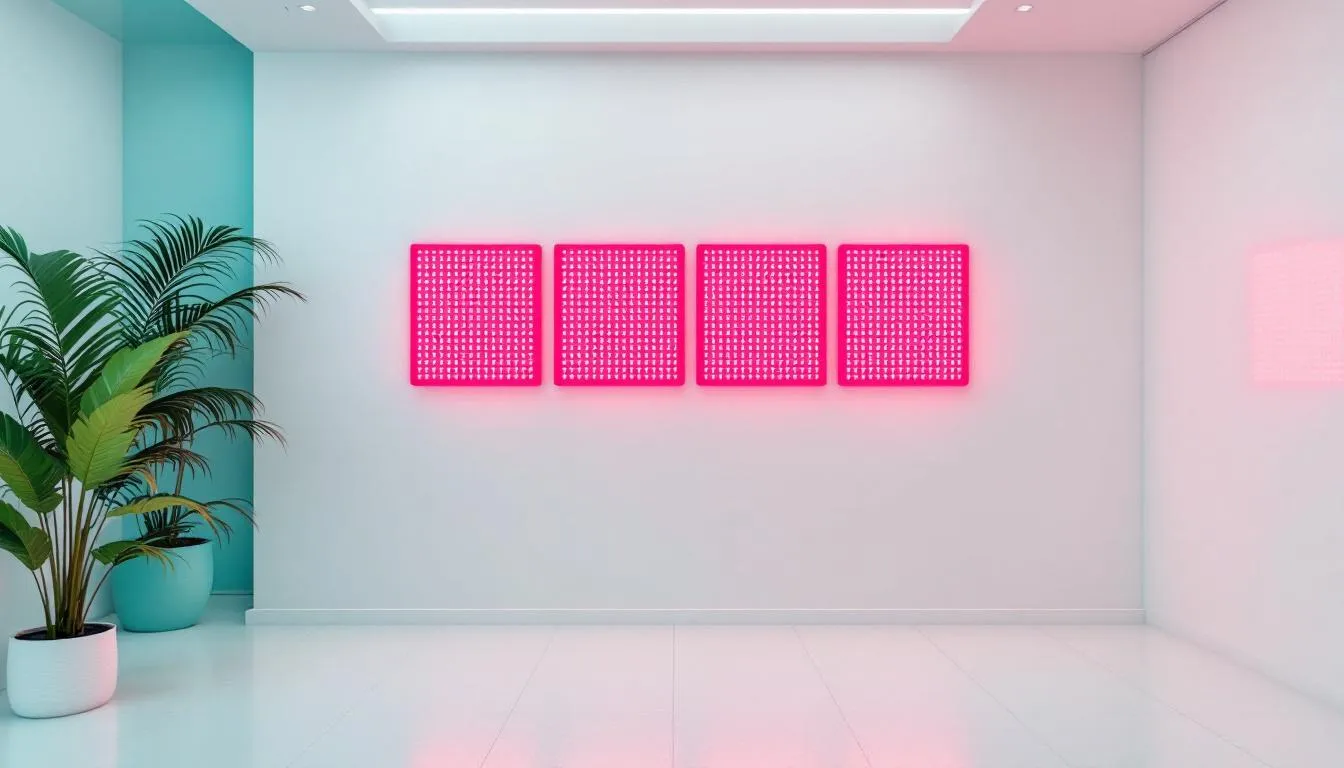
What is a red light therapy spa?
"Red light therapy spa" is a broad term. It can refer to half a dozen different types of businesses. Some are excellent. Others are barely delivering any therapeutic benefit at all.
At its core, a red light therapy spa is any commercial establishment that offers photobiomodulation (PBM) treatments using red light or near-infrared (NIR) light devices. But that's where the consistency ends. The equipment, protocols, expertise, and pricing vary enormously.
Here are the main types of places you'll encounter:
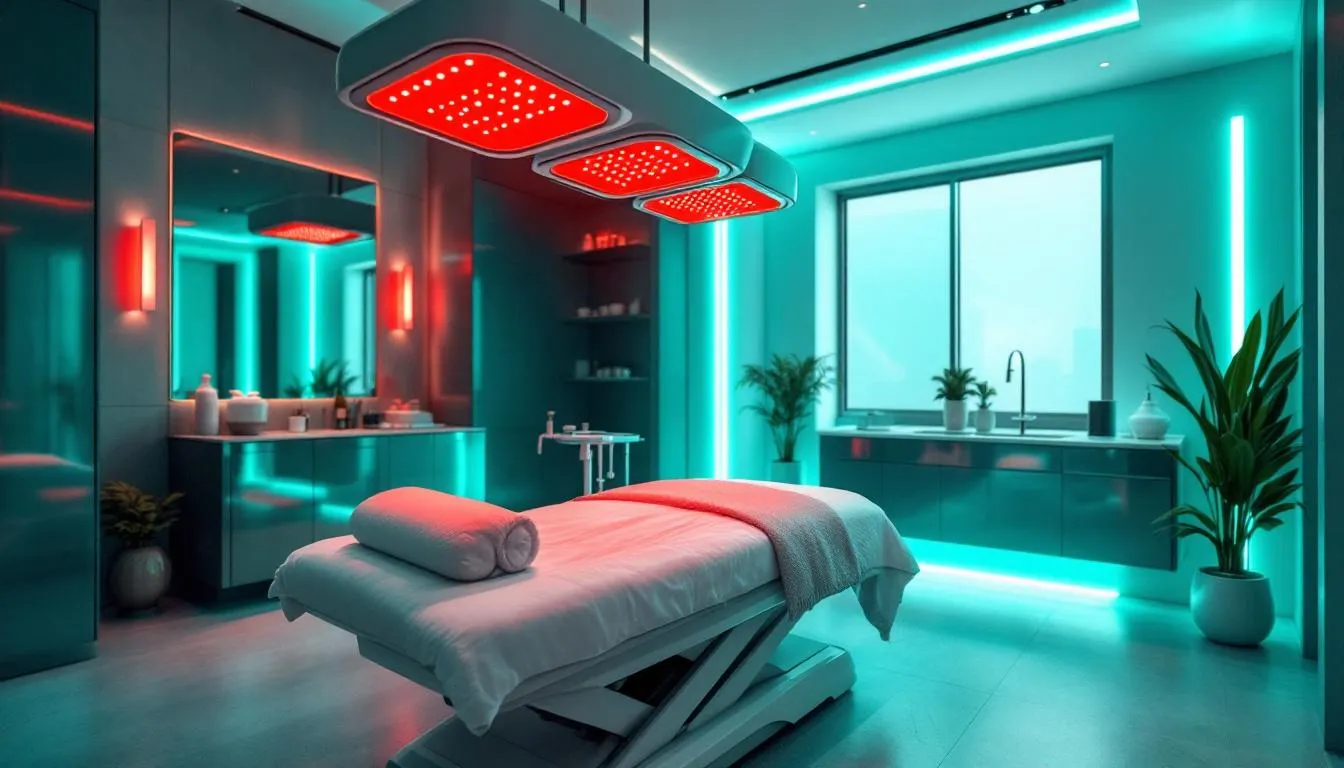
Dedicated red light therapy studios. These businesses exist specifically to offer red light therapy, often alongside infrared sauna or cold plunge. They typically invest in high-quality full-body panels from reputable brands, train their staff on protocols, and can answer detailed questions about irradiance and wavelengths. These are generally your best bet.
Med spas and aesthetics clinics. Medical spas often offer red light therapy as part of a broader menu that includes facials, injectables, laser treatments, and more. They tend to use professional-grade devices, sometimes FDA-cleared equipment, and may have aestheticians or nurses on staff who understand how to use it properly. If you're targeting skin concerns specifically, this is a strong option.
Tanning salons. Many tanning salons have added red light booths to their menu. Quality varies wildly here. Some use legitimate red light therapy devices with proper wavelengths and power output. Others use red-tinted tanning beds that offer minimal photobiomodulation benefit. We'll cover how to tell the difference later.
Wellness centers and integrative health clinics. Chiropractors, physical therapists, naturopathic doctors, and functional medicine clinics frequently incorporate red light therapy into treatment protocols for pain management, inflammation, and injury recovery. Sessions here are often supervised by a health professional, which adds value for therapeutic goals.
Gyms and fitness centers. Some higher-end gyms offer red light therapy recovery rooms. Planet Fitness has rolled out Total Body Enhancement booths (though the therapeutic benefit of those specific devices is debated). If you're curious about gym-based options, our article on red light therapy at Planet Fitness breaks down exactly what those booths deliver.
Float spas and sensory deprivation centers. These wellness-focused businesses sometimes add red light therapy as a complementary service, usually in the form of a small facial device or single panel. Not the most robust option for full-body treatment.
The type of facility matters. But even within each category, the quality of the specific device matters more.
How red light therapy spas are regulated (or not)
Here's something the industry doesn't advertise: red light therapy spas are largely unregulated in the United States. There's no federal licensing requirement for operating a red light therapy studio. No mandatory staff training. No minimum equipment standards.
This is different from, say, a tanning salon, which must comply with FDA regulations on UV-emitting devices. Red light LEDs that don't emit UV fall into a gray area where most oversight comes from general consumer protection law rather than specific industry regulation.
Some states are beginning to address this. Florida, for example, has implemented limited regulations around certain wellness devices. A handful of states require practitioners performing therapeutic treatments to hold massage therapy or aesthetician licenses. But in most states, anyone can open a red light therapy studio tomorrow with zero qualifications.
What this means for you: the industry reputation and the specific device are the best quality signals you have. Professional associations like the American Society for Photobiomodulation Therapy (ASPBT) exist and can be a useful filter. Clinics affiliated with healthcare providers (chiropractors, physical therapists, naturopathic doctors) tend to operate with higher standards by default.
The SeekRedLight team covers this regulatory landscape because it directly affects how you should evaluate the places you're considering. Ask questions. Do your research. A reputable facility won't be annoyed by informed questions.
What treatments do red light therapy spas offer?
Walk into a well-equipped red light therapy spa and you'll typically see several treatment formats. Understanding what each one is, and what it's best suited for, will help you choose the right session for your goals.
Full-body panel sessions
This is the flagship treatment at most dedicated red light studios. You stand or lie in front of a large panel (or multiple panels) that covers your entire body. Sessions typically run 10 to 20 minutes. Some studios use panels on both sides so you're treated front and back simultaneously.
Full-body panels are best for systemic benefits: muscle recovery, inflammation reduction, circadian rhythm support, and overall cellular health. They're also used for skin rejuvenation across large areas. If you want broad, whole-body treatment, this is the format to look for.
Full-body red light beds
Similar to tanning beds in form factor but using therapeutic LEDs instead of UV tubes. You lie inside a pod-style bed surrounded by red and NIR light. These are popular in tanning salon settings and some dedicated studios.
Quality varies significantly. Good beds from brands like NovoTHOR deliver clinical-grade irradiance. Budget beds at tanning salons may use underpowered LEDs that don't deliver meaningful doses. Our deep dive on red light therapy beds for home use explains what specs to look for, and the same principles apply to commercial beds.
Targeted or localized treatments
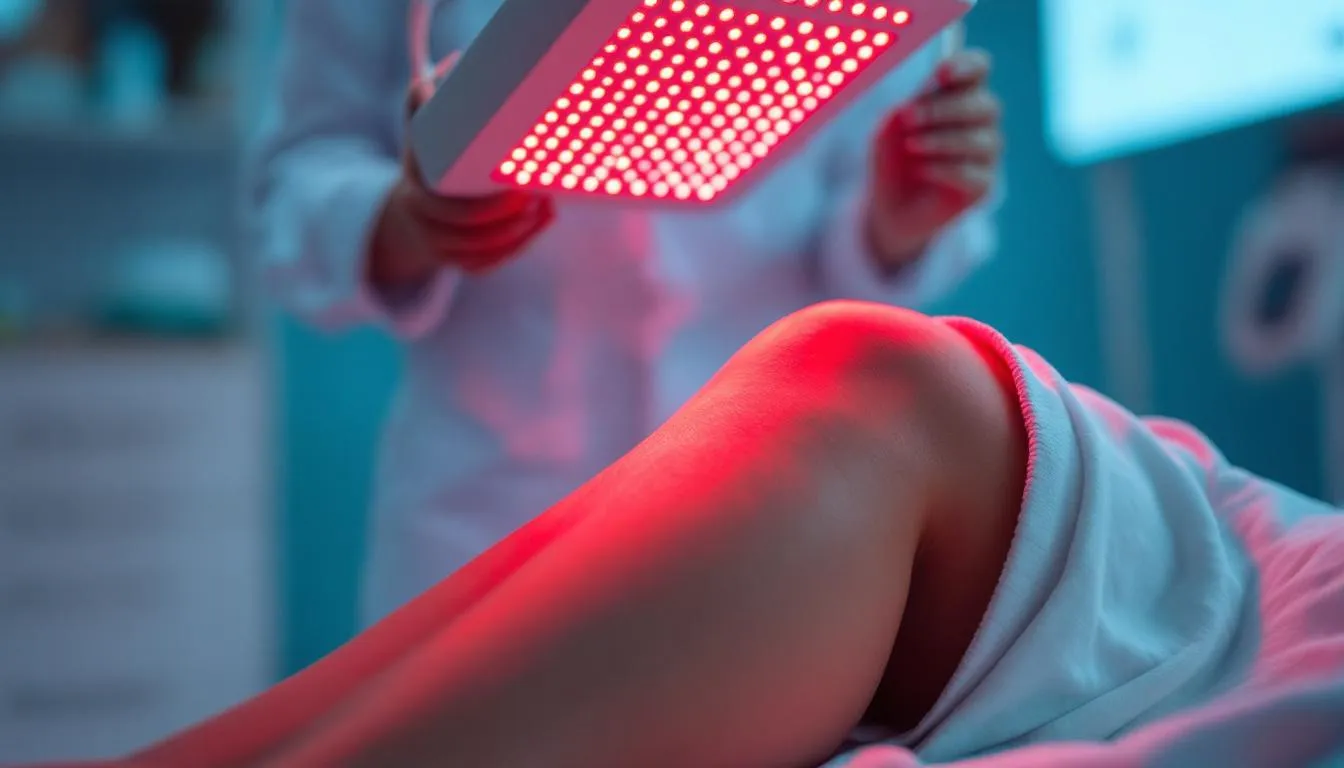
Some spas offer focused treatments for specific areas: a joint, the lower back, a particular injury site. These sessions use smaller panels or wand-style devices positioned close to the treatment area. They're well-suited for joint pain, tendonitis, plantar fasciitis, or localized wound healing.
Facial red light treatments
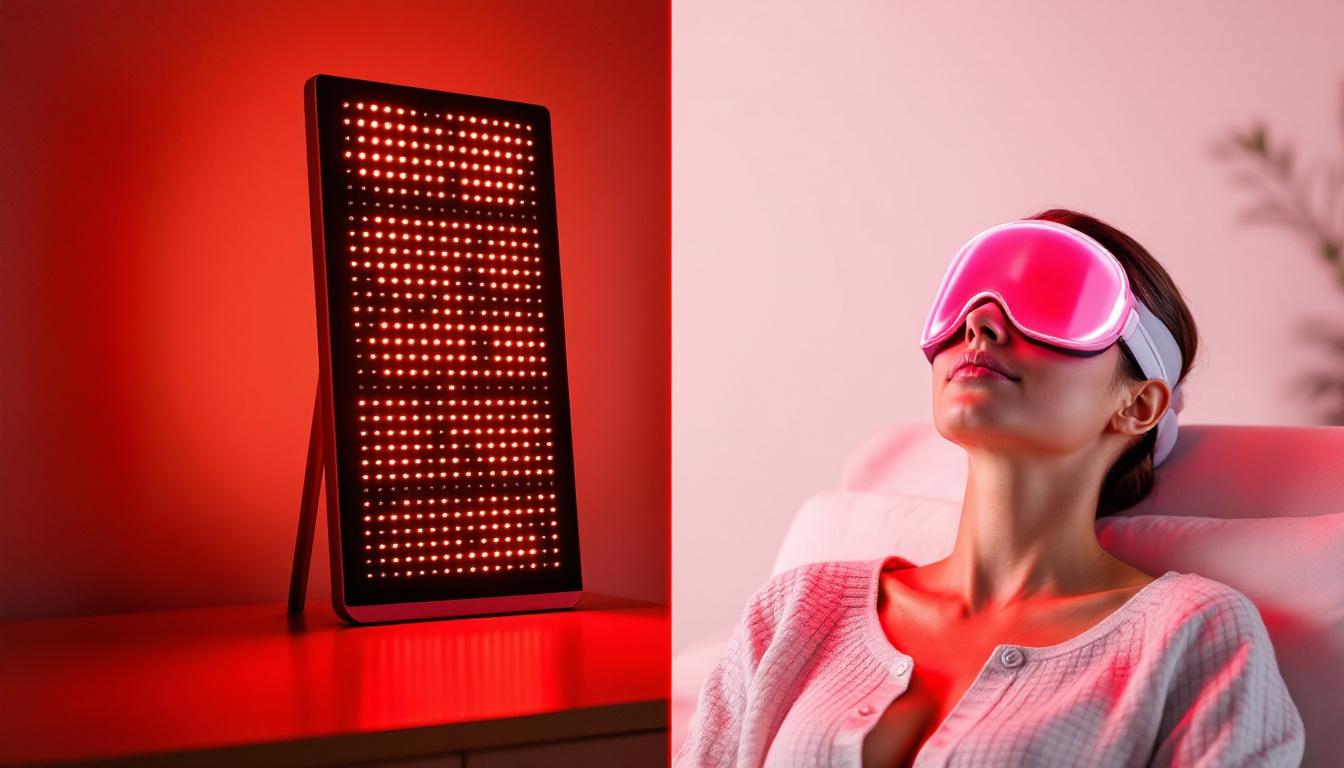
Red light facials are one of the most popular offerings at med spas and aesthetics clinics. You sit or lie while a red light panel or mask is positioned near your face for 10 to 20 minutes. These sessions target skin rejuvenation, collagen production, fine lines, and acne. Some clinics combine red light with other treatments: red light therapy after microneedling has become particularly popular because the light accelerates healing and amplifies the collagen response.
Scalp and hair loss treatments
Some studios and med spas offer focused scalp treatments using helmet-style devices or overhead panels positioned specifically for the scalp. These target follicle stimulation for androgenic alopecia or general hair thinning. Session times are typically 15 to 25 minutes, and protocols require significant commitment, 3 to 4 times per week for at least 4 to 6 months. Red light therapy for hair loss covers the evidence and what realistic results look like.
Lymphatic drainage enhancement
An emerging application that some wellness centers are beginning to offer. Red light therapy combined with manual lymphatic massage or mechanical lymphatic drainage devices aims to accelerate lymph flow and reduce fluid retention. The light portion helps by improving local circulation and reducing inflammation in tissue. Our guide on red light therapy for lymphatic drainage explains the mechanism.
Combination therapies
Higher-end spas pair red light therapy with complementary treatments. Common pairings include:
- Red light and infrared sauna. You do your sauna session first to warm the tissue and increase blood flow, then follow with red light. Or vice versa. Comparing red light therapy vs infrared sauna helps clarify how the two work differently and why combining them makes physiological sense.
- Red light and massage. Some spas offer red light as a pre-massage treatment to loosen tissue and reduce inflammation before bodywork.
- Red light and cryotherapy. Contrast protocols using cold and light therapy together, popular with athletes.
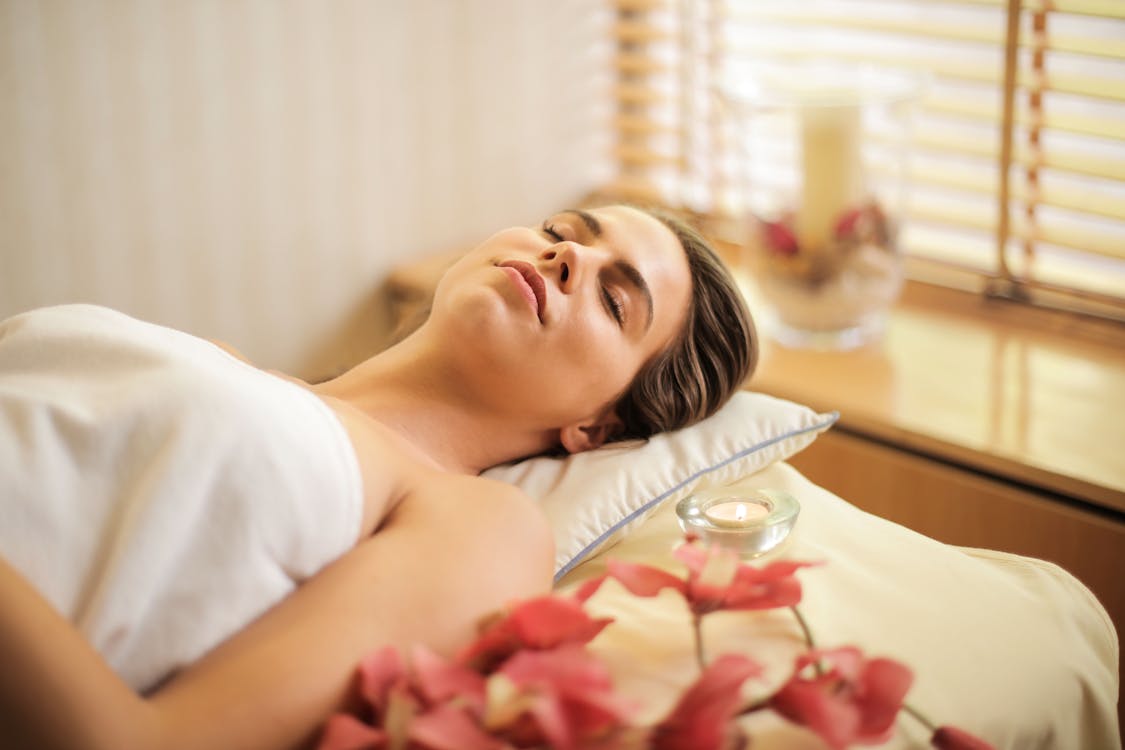
The science: why professional red light therapy works
Before you spend money at a spa, it helps to understand the basics of what you're actually paying for. The mechanism is called photobiomodulation, or PBM. It's not magic and it's not marketing. It's cellular physics with decades of research behind it.
Here's how it works.
Specific wavelengths of light, primarily in the red range (620 to 700 nanometers) and near-infrared range (800 to 880 nanometers), penetrate the skin and are absorbed by photoreceptors in the mitochondria. The primary photoreceptor is an enzyme called cytochrome c oxidase (CCO), which plays a central role in cellular energy production. When light hits CCO, it triggers a cascade of beneficial effects: increased ATP (adenosine triphosphate) production, reduced oxidative stress, lower inflammation, and improved blood flow.
The key wavelengths matter enormously:
630 to 660nm red light penetrates a few millimeters into tissue, making it ideal for skin-level applications: collagen stimulation, acne reduction, wound healing, and surface-level inflammation.
800 to 850nm near-infrared light penetrates deeper into tissue, reaching muscles, joints, and even bone. This is the range used for pain relief, muscle recovery, and deeper therapeutic applications.
The best professional devices combine both red and NIR wavelengths. When you're evaluating a spa's equipment, this is one of the first things to ask about.
Irradiance: the number that actually matters
Wavelength is only half the equation. The other half is power density, measured in milliwatts per square centimeter (mW/cm²). This is called irradiance, and it determines how much energy your tissue actually receives.
Too little irradiance and you won't accumulate enough energy for a therapeutic effect. Too much and you can actually inhibit the cellular response (a phenomenon called biphasic dose response). The sweet spot for most applications is 20 to 100 mW/cm² at the treatment distance.
Many tanning salon red light booths operate well below this range. Professional panels at dedicated studios should be hitting 50 to 100+ mW/cm² at typical standing distance (6 to 12 inches). Ask the staff for their device specs before you book. If they can't answer the question, that tells you something.
How deep does it really penetrate?
This is one of the most misunderstood aspects of red light therapy. Red light (630 to 660nm) penetrates 5 to 10mm, enough to reach the dermis and upper subcutaneous tissue. Near-infrared (800 to 850nm) can reach 20 to 30mm or more, getting into muscle, fascia, and joint tissue.
This depth difference is why wavelength selection matters for your specific goals. Skin concerns benefit most from red wavelengths. Muscle recovery, joint pain, and deeper tissue work benefit most from NIR.
Our comparison of red light vs infrared light goes into the physics in detail if you want the full breakdown.
The biphasic dose response: more is not always better
This is a critical concept to understand before you walk into any spa. Red light therapy follows what scientists call a biphasic dose response, sometimes called the Arndt-Schulz law applied to photobiomodulation. The basic idea is that the relationship between light dose and biological effect is shaped like an inverted U: too little dose produces minimal effect, the optimal dose produces maximum benefit, and too much dose actually inhibits the cellular response.
What does this mean practically? Sessions that are too short or at insufficient irradiance won't do much. Sessions that run far too long or use extremely high power at very close distances can suppress the beneficial effects you're paying for. There's a sweet spot, and good spas design their protocols to hit it.
The standard dose range for most therapeutic applications is 3 to 60 joules per cm². For skin applications, 4 to 20 joules per cm² is common. For pain and deeper tissue work, higher doses around 10 to 60 joules per cm² are used depending on the target tissue depth.
Joules per cm² = irradiance (mW/cm²) × time (seconds) / 1000
A panel delivering 80 mW/cm² for 12 minutes delivers approximately 57.6 joules per cm². That's in the therapeutic range for most applications. A weak device delivering 10 mW/cm² for 10 minutes delivers only 6 joules per cm², which may be below the effective threshold depending on the condition.
This math is why irradiance matters so much. And it's exactly what separates legitimate red light spas from low-quality operations charging for sessions that deliver almost no therapeutic benefit.
What conditions can red light therapy spas treat?
Red light therapy has been studied for a genuinely wide range of conditions. Here's what has the best evidence and what you might realistically expect from spa sessions:
Skin rejuvenation and anti-aging
This is the most popular application at commercial spas and for good reason. Red light therapy at 630 to 660nm stimulates fibroblast activity and collagen production. Multiple clinical studies show measurable improvements in skin texture, fine lines, and elasticity after consistent treatment. A typical protocol is 3 to 5 sessions per week for 4 to 8 weeks.
If you want to see what results look like over time, red light therapy face before and after and our red light mask before and after articles include documented case examples.
Acne and skin conditions
Red light at 630nm has anti-inflammatory effects and may help reduce acne severity. Some protocols combine red and blue light for acne (blue light targets the bacteria P. acnes, red reduces inflammation). Red light therapy for psoriasis and hyperpigmentation also have clinical backing.
Pain relief and joint health
Near-infrared light penetrating into joint tissue can reduce inflammation and improve local circulation, leading to genuine pain relief. This is well-documented for joint pain, tendonitis, plantar fasciitis, neuropathy, and headaches. For localized conditions, a targeted professional session with a high-power NIR device can be more effective than a home device with lower output.
Muscle recovery
Athletes have been using red light therapy for muscle recovery for years. NIR light accelerates the clearance of lactic acid, reduces delayed onset muscle soreness (DOMS), and supports faster repair of micro-tears. If you're working with a sports-focused wellness clinic, sessions timed before or after training can make a meaningful difference. We also have a guide on how long to do red light therapy for muscle recovery specifically.
Hair loss
Some dedicated studios and med spas offer scalp-targeted red light treatments for androgenic alopecia. The evidence is strongest for 650nm wavelengths stimulating follicle activity. Red light therapy for hair loss covers the research in detail.
Weight loss support
Red light therapy has shown some evidence for body contouring, specifically emulsifying fat cells in subcutaneous tissue so they can be metabolized. Some spas market dedicated red light body contouring sessions. The evidence is modest, and results depend heavily on lifestyle factors. Red light therapy fat loss and red light body contouring have more nuance on this.
Wound healing and inflammation
Post-surgical recovery, wound healing, and general inflammation reduction are legitimate therapeutic applications. Clinics that work with post-procedure patients may use red light after treatments like laser resurfacing or microneedling. Red light therapy after surgery covers what the research shows.
Feet and lower extremity conditions
Conditions affecting the feet and lower legs respond well to targeted red light therapy. Red light therapy for plantar fasciitis, red light therapy for feet, and neuropathy in the lower extremities are increasingly treated at integrative health clinics that specialize in these conditions. Sessions use focused panels positioned close to the feet for 10 to 15 minutes.
Sunburn recovery
Some spas are beginning to offer post-sun exposure treatments. Low-dose red light applied after sunburn can reduce inflammation and accelerate skin repair. Red light therapy for sunburn covers what the research says and how to apply it safely.
Conditions that require more caution
Not everything benefits equally from red light therapy, and some conditions require care. Active cancers are a contraindication for direct red light therapy over tumor sites. Thyroid conditions may require shielding the thyroid gland during neck-area treatments. People with epilepsy should discuss flicker sensitivity with a doctor before trying any pulsed-light devices. A good spa will go over contraindications in the intake process.
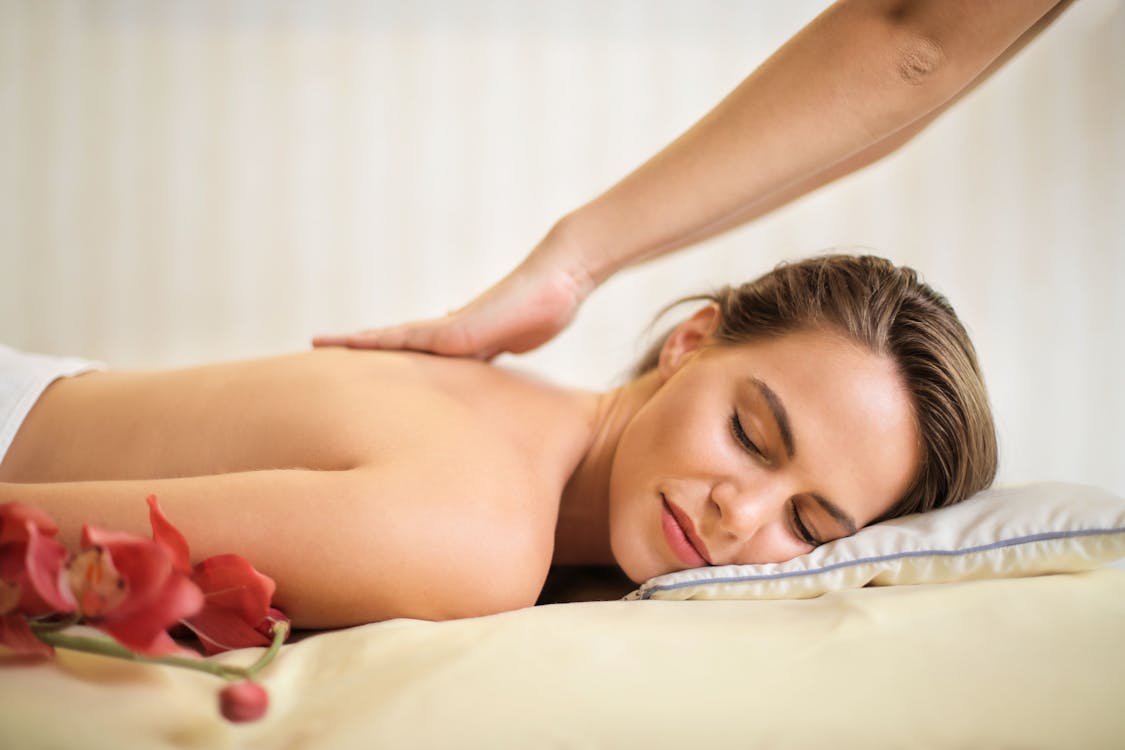
At-home vs spa: which is right for you?
This is the question most people are really asking when they start researching red light therapy spas. And the honest answer isn't "spa is better" or "home is better." It depends on your situation.
The case for professional spa sessions
You don't have $400 to $2,000 for a quality home device. A good entry-level home panel costs $400 to $600. A full-body setup runs $1,000 to $2,000+. If you're not ready to commit to that investment, spa sessions let you access professional equipment for $15 to $60 per session to see if red light therapy works for you.
You want to target specific therapeutic goals. Wellness clinics with trained staff can customize protocols for your specific condition. Someone experienced in red light therapy for pain management will set different distances, session lengths, and frequencies than someone running a basic skin facial.
You want a supervised experience for post-procedure recovery. If you've just had microneedling, surgery, or a laser treatment, having a professional oversee your red light sessions adds a layer of safety and accountability.
You prefer the spa experience itself. For some people, the ritual of going to a dedicated wellness studio, having a professional set everything up, and focusing on recovery without distractions is genuinely valuable.
The case for a home device
Cost-effectiveness over time. Spa sessions add up fast. If you go twice a week at $30 per session, that's $3,120 per year. A quality home panel pays for itself in 4 to 6 months and then delivers free sessions for years.
Consistency. Treatment frequency is the most important variable in red light therapy outcomes. Morning sessions before coffee, evening sessions before bed, whatever fits your life without requiring a trip anywhere. Home devices make daily or near-daily treatment practical.
Customization. You control the distance, duration, and which areas you treat. You're not limited to whatever session length the spa packages in its pricing tiers.
Long-term skin and health maintenance. For ongoing anti-aging, sleep quality improvement, and general cellular health, you want a device you use indefinitely. Spas are more practical for short-term goals or occasional boosters.
The comparison in plain numbers:
| Factor | Spa sessions | Home device |
|---|---|---|
| Upfront cost | $0 | $400 to $2,000 |
| Per-session cost | $15 to $100 | $0 (after purchase) |
| Break-even point | N/A | 4 to 12 months |
| Flexibility | Limited by hours/location | Any time, any day |
| Device quality | Usually excellent | Depends on device chosen |
| Protocol customization | Depends on staff | Full control |
| Year 2 cost | $1,500 to $5,000+ | $0 |
SeekRedLight has tested and reviewed a range of home devices across price points. If you're considering that route, our red light panel vs mask comparison helps you understand which format makes sense for your goals, and we cover red light therapy stands for optimal positioning at home.
How to find a red light therapy spa near you
Finding a quality red light therapy spa requires a bit more effort than a Google search. Here's a practical approach.
Search terms that work
Start with these search combinations:
- "Red light therapy [your city]"
- "Photobiomodulation near me"
- "Red light therapy studio [your city]"
- "PBM therapy near me"
- "Infrared light therapy spa [your city]"
Cities with dedicated coverage on SeekRedLight include red light therapy in Los Angeles and red light therapy in Las Vegas, with more city guides in development.
Beyond Google
Yelp. Filter by "spas" or "health clinics" and search for red light therapy. Reviews often mention specific devices and staff knowledge.
Mindbody and ClassPass. Wellness-focused booking platforms where studios list their services. You can often see the specific treatments offered before contacting.
Local wellness Facebook groups. In most cities, active wellness communities discuss local studios and share firsthand experiences with specific providers.
Ask your dermatologist or physical therapist. Healthcare providers often know which local spas use legitimate equipment vs. marketing gimmicks.
Red flags to watch for
- Staff can't tell you the device brand, wavelengths, or power output
- Sessions are extremely short (under 5 minutes) at any reasonable distance
- The "red light therapy" booth looks identical to a tanning bed
- No eye protection provided or offered
- Claims of immediate dramatic results from a single session
- Very low pricing (under $10 per session) with no explanation of device specs
What to expect during your first spa session
Walking into a red light therapy spa for the first time can feel a bit clinical and a bit mysterious in equal measure. Here's what the experience typically looks like.
Before your session
You'll usually fill out a brief intake form covering any health conditions, medications (some photosensitizing drugs require caution), recent sun exposure, or whether you're pregnant. Is red light therapy safe for pregnancy? covers the nuance here.
A staff member should walk you through the device and session protocol. A good spa will tell you the device brand, the wavelengths being used, and the session duration. If they just hand you a towel and point you at a booth, that's a yellow flag.
What to wear (or not)
This is a common question. Red light penetrates clothing poorly, if at all. For skin benefits, bare skin exposure to the light is optimal. Does red light therapy work through clothes? covers this in full.
Most spas provide a private room where you can undress to your comfort level. A bathing suit is common. Some people go fully nude in private rooms. Others prefer to keep underwear on and treat specific areas. There's no wrong answer as long as the areas you're targeting are exposed.
Eye protection
Good spas will provide protective eyewear or strongly recommend you close your eyes during treatment. Red light isn't UV, so it won't cause the same damage as a tanning bed, but high-intensity LEDs at close range aren't ideal for your eyes without protection.
For sessions targeting the face, you'll typically wear tinted goggles. Our articles on red light therapy goggles and red light therapy glasses cover eye protection options, and should you keep your eyes open or closed? explains the nuance.
During the session
You stand, sit, or lie in front of the device for the prescribed duration. Most full-body sessions run 10 to 20 minutes. You'll feel gentle warmth from the NIR component but nothing uncomfortable. Some people feel a mild tingling or nothing at all.
Don't add extra time thinking it will boost results. Biphasic dose response means there's an optimal energy dose, and exceeding it can reduce benefits. Can you do too much red light therapy? covers this in detail.
Some spas use a timer that automatically shuts off the device. Others rely on staff to end the session. Note when the session ends and when the light goes off.
After your session
Red light therapy has no meaningful downtime. You can go straight back to your day. Some people notice slight skin flushing that resolves within an hour. Your skin may look slightly more radiant immediately after due to increased circulation.
Don't shower immediately before a session. Wet skin and especially sunscreen or heavy moisturizers can block light transmission. Come in with clean, dry skin.
For consecutive sessions and how to time your protocol, see how long to do red light therapy for frequency guidelines.

Questions to ask before booking
These are the questions that separate legitimate red light therapy spas from places that are essentially selling expensive placebo. Write them down before you call or visit.
1. What device brand and model do you use?
If they can name it, you can look it up. Reputable brands include Joovv, NovoTHOR, Mito Red Light, Platinum LED, and Red Rush, among others. Unknown brands or no answer is a concern.
2. What wavelengths does the device emit?
The answer should include specific nanometer values in the red range (630 to 660nm) and ideally near-infrared (800 to 850nm). "Just red light" or "therapeutic wavelengths" without specifics isn't reassuring.
3. What is the irradiance output?
They may not know this off the top of their head, but they should be able to find out. You're looking for 50 to 100+ mW/cm² at the treatment distance. Below 20 mW/cm² and therapeutic sessions become unrealistically long.
4. How long are sessions and at what distance?
Standard protocol is 10 to 20 minutes at 6 to 12 inches for most full-body panels. Shorter distances mean more intense irradiance; longer distances reduce it significantly.
5. Is the room private?
Important if you plan to expose skin beyond what you'd show in a gym.
6. How is the equipment sanitized between clients?
UV-C wipes or sprays are standard. You want to know the panels and any contact surfaces are cleaned between uses.
7. Do you provide eye protection?
Should be a yes. If no, bring your own or at minimum plan to keep your eyes closed.
8. How often do you calibrate or service the devices?
LED panels degrade over time. Reputable studios track hours of use and service equipment regularly.
9. Are there staff trained in red light therapy protocols?
Not every person at the front desk needs a certification, but someone on staff should understand the basics of dose, distance, and contraindications.
10. Do you offer a trial session?
Many studios offer a first-session discount or free introductory session. This is a great way to assess the facility before committing to a package.
Evaluating the device yourself
Beyond asking staff questions, you can do some basic evaluation yourself when you arrive. Look for:
Brand markings. Reputable devices display their brand prominently. Google the brand and model number when you get home to verify specs.
LED count and panel size. A legitimate full-body panel typically has hundreds to thousands of individual LEDs. Sparse panels with only a few dozen LEDs in a large frame are underpowered.
Fan noise. High-power panels need cooling fans. A completely silent "red light panel" is often underpowered.
Warmth at distance. Stand at the recommended distance and extend your hand toward the panel. You should feel mild, pleasant warmth from the NIR component within 30 to 60 seconds. Almost no warmth at all usually indicates underpowered output.
Continuous spectrum vs pulsed. Some devices offer pulsed light modes at specific frequencies (10Hz, 40Hz, etc.) which some research suggests may have additional benefits. Continuous mode is standard; pulsed is a bonus.
These aren't scientific measurements, but they give you a quick field assessment before you commit to a package.
Cost breakdown: what you should expect to pay
Red light therapy spa pricing varies enormously by location, facility type, and treatment format. Here's a realistic breakdown.
Single sessions
- Tanning salon red light booth: $10 to $25
- Wellness studio full-body panel: $25 to $60
- Med spa facial red light treatment: $50 to $150
- Clinical/therapeutic session (supervised): $75 to $200
Package pricing
Most studios offer package deals that reduce the per-session cost significantly. Typical structures:
- 5-session package: 15 to 20% discount off single session price
- 10-session package: 20 to 30% discount
- Monthly unlimited: $100 to $200 per month at most dedicated studios
Membership models
Dedicated red light therapy studios increasingly offer membership tiers similar to gym memberships. A basic membership with 8 sessions per month might run $79 to $129. Unlimited access might be $149 to $199 per month. If you're committing to regular sessions, these can offer good value.
How it compares to home device ownership
Running sessions twice per week at an average $35 per session is $3,640 per year. A quality home full-body panel runs $600 to $1,200. By month 5 or 6, the home device has paid for itself. By year 3, the cost difference is substantial.
That said, spa sessions have zero maintenance cost, no setup, and no storage requirement. For people in apartments or those who aren't sure about long-term commitment, paying per session makes sense as a starting point.
If you're weighing options, also consider that red light therapy for weight loss near me often comes with higher per-session pricing at body contouring studios specifically, which can make home equipment even more cost-effective for that goal.
Hidden costs to factor in
When evaluating spa costs, don't forget to account for:
Travel time and cost. If the nearest quality studio is a 20-minute drive, add that to your per-session investment. Gas, parking, and time matter.
Package expirations. Many studios sell packages with 30 to 90 day expiration windows. If life gets busy and you can't use them in time, you've wasted money. Ask about expiration policies before buying.
Upgraded session add-ons. Studios often upsell: aromatherapy, red light with vibration platform, collagen supplementation sold at the desk. Budget for these if they interest you, but don't let upsells pressure you.
Membership cancellation fees. Some monthly memberships have 30 to 60 day cancellation notice requirements or early termination fees. Read the terms before signing.
Comparison: Spa vs home over 3 years
| Spa (2x/week) | Entry home device ($600) | Premium home device ($1,500) | |
|---|---|---|---|
| Year 1 cost | $3,640 | $600 | $1,500 |
| Year 2 cost | $3,640 | $0 | $0 |
| Year 3 cost | $3,640 | $0 | $0 |
| 3-year total | $10,920 | $600 | $1,500 |
The math strongly favors home devices for anyone committed to regular, long-term use. Spa sessions make the most sense for trial periods, occasional boosts, or specific therapeutic goals requiring clinical-grade equipment you can't replicate at home.
Red light therapy at tanning salons vs dedicated wellness studios
This distinction matters more than most people realize.
Tanning salons
The pros: lower prices, convenient hours, many locations. If you're just starting out and want to try red light therapy without committing to a premium studio, a tanning salon can be a reasonable first step.
The cons: device quality varies enormously. Many tanning salons have added "red light booths" that are essentially low-irradiance devices with red-colored LEDs. They produce some photobiomodulation effect but at a fraction of the power of a professional panel. Some are barely better than sitting next to a warm light bulb.
Red flags specific to tanning salons: the "red light" device looks like a stand-up tanning bed, session length is capped at 10 minutes, staff can't tell you the irradiance, and the device has no specifications listed anywhere.
There's also the UV question. Some red light devices at tanning salons emit trace amounts of UV. Most don't, but it's worth asking. Does red light therapy tan you? and red light tanning beds cover this overlap in detail.
For a deeper comparison, tanning beds and red light therapy in Chicago looks at how these services coexist in a real market.
What a good tanning salon red light setup looks like
It's not all bad. Some tanning salons have invested in legitimate red light equipment. Here's what separates a decent tanning salon option from a waste of time:
- The booth is a separate, standalone red light unit, not a modified UV bed with red LEDs added
- Staff can name the device manufacturer and confirm it emits 630nm to 660nm wavelengths (and ideally 850nm near-infrared)
- Session length is 10 to 20 minutes at an appropriate distance from the panel
- Eye protection is available and encouraged
- The price reflects the equipment quality, not artificially low in a way that suggests underpowered devices
If these boxes are checked, a tanning salon red light option can be a legitimate, convenient, lower-cost entry point for people who are just beginning to explore red light therapy.
Dedicated red light therapy studios
Higher quality is more consistent here. Studios built specifically around red light therapy have a financial incentive to invest in legitimate equipment and train their staff. They're also more likely to have protocols developed in consultation with medical or wellness professionals.
The cons are cost (higher than tanning salons) and fewer locations. Not every city has a dedicated studio.
Med spas and aesthetics clinics
For facial applications and skin concerns specifically, med spas often have the best clinical-grade equipment. They may use devices that are FDA-cleared for specific indications. The downside is that full-body treatment isn't usually available, and prices per session are higher.
If you're specifically targeting skin rejuvenation, a med spa is often the best choice for professional sessions.

How to maximize your spa sessions
Getting the most out of professional red light therapy isn't just about showing up. A few key practices make a meaningful difference.
Consistency is everything
One session is not a treatment. Three sessions are not a treatment. Red light therapy works through cumulative photobiomodulation. Collagen synthesis, for example, ramps up with repeated stimulation. Most skin protocols call for 3 to 5 sessions per week for 4 to 8 weeks. Pain management protocols vary but typically need at least 10 to 15 sessions to assess effectiveness.
If the spa you're visiting can't support that frequency, either due to pricing or availability, consider whether your goals would be better served by a home device.
Come in with clean skin
No heavy sunscreen, no foundation, no oils or serums before your session. These create a barrier to light transmission. Particularly for facial sessions, come in with your face freshly washed and dry.
Retinol and red light therapy is worth reading if you use retinoids, since timing your applications matters.
Hydrate before and after
Hydrated tissue conducts light more effectively and recovers faster after stimulation. Drink water before your session and continue hydrating afterward.
Don't double-dose without guidance
Going to the spa in the morning and then doing a home device session at night may seem like a good idea. But it can push your tissue past the optimal dose. Can you do too much red light therapy? explains the biphasic dose response curve and how to avoid inadvertently undermining your results.
Track your results
Keep a simple log of your session dates, areas treated, and observations about how your skin, pain levels, or energy feel. Red light therapy results accumulate gradually and are easy to miss without a baseline to compare against. A log helps you and any practitioners you work with assess whether the protocol is working.
Photos are particularly useful for skin applications. Take a consistent before photo in the same lighting, from the same angle, before your first session. Repeat at weeks 4 and 8. The change is often subtle week to week but striking when you compare month to month.
Ask for protocol adjustments
At a good studio, the staff can adjust session length, distance, and frequency based on your feedback and goals. Don't just silently repeat the same session indefinitely. Check in after 4 to 6 weeks and discuss whether adjustments would benefit you.
Consider pairing with supportive practices
Red light therapy works best as part of a broader wellness approach, not in isolation. Some practices that amplify results:
Sleep. Cellular repair from red light stimulation happens largely during sleep. Consistently good sleep quality lets your cells do the work the light set in motion. Interestingly, red light bulbs for sleep are used by some people specifically to support circadian rhythms in the evening.
Nutrition. Mitochondrial function, which is central to how red light therapy works, depends on adequate micronutrients: magnesium, B vitamins, CoQ10, and NAD+ precursors. Deficiencies can blunt the cellular response.
Movement. For pain and recovery goals, gentle movement after red light sessions helps distribute the increased circulation and lymphatic effects. For muscle recovery, light activity helps clear inflammatory byproducts that the light has mobilized.
Hydration. Already mentioned for session prep, but worth reinforcing as a daily habit, not just something to do before you go to the spa.
When to escalate to a professional evaluation
Red light therapy spas are wellness services, not medical providers. If your condition isn't improving after a consistent 8 to 12 week protocol, it's worth a conversation with a doctor or specialist. Some conditions that seem like they should respond to red light may have underlying causes that need different treatment. A good spa will tell you this too. If they're pushing you to keep buying packages despite no results, that's a red flag.
FAQ
What should I look for in a red light therapy spa?
Focus on device quality first. Look for spas using panels from reputable brands that emit verified red (630 to 660nm) and near-infrared (800 to 850nm) wavelengths with irradiance of 50+ mW/cm² at treatment distance. Staff should be knowledgeable about protocols, provide eye protection, and sanitize equipment between clients.
How much do red light therapy spa sessions cost?
Single sessions range from $15 to $25 at tanning salons, $25 to $60 at dedicated wellness studios, and $50 to $150+ at med spas. Monthly memberships at dedicated studios typically run $100 to $200 for unlimited or near-unlimited access. Packages reduce per-session cost by 15 to 30%.
How many sessions do I need to see results?
For skin benefits, most people notice improvements after 4 to 6 weeks of 3 to 5 sessions per week. Pain relief can occur faster, sometimes within a few sessions, but varies widely by condition and severity. Single sessions won't produce lasting results for most applications.
Is red light therapy at a spa better than using a home device?
Not inherently. Professional equipment is often high quality, but good home devices from reputable brands can match or exceed it. The key difference is cost over time: spa sessions add up significantly year over year, while a home device pays for itself in months. The right choice depends on your budget, goals, and how consistently you'll use a home device.
What's the difference between red light therapy and infrared sauna at a spa?
Red light therapy uses specific wavelengths of LED light to stimulate cellular function without heating the body significantly. Infrared sauna uses heat as the primary mechanism, raising core body temperature. The two have different (and somewhat complementary) effects. Red light therapy vs infrared sauna explains both in detail.
Can I go to a red light therapy spa if I'm taking medications?
Most people can. The main concern is photosensitizing medications, which can increase sensitivity to light. Common photosensitizers include certain antibiotics (doxycycline), some anti-depressants, and certain diuretics. Always disclose your medications on the intake form and ask the staff about any contraindications.
Related guides
- Red light therapy at Planet Fitness: what you need to know
- Red light therapy in Los Angeles: studios and what to expect
- Red light therapy in Las Vegas: where to go and what to look for
- Red light therapy vs infrared sauna: which is better for your goals?
Sources
- Hamblin, M.R. (2017). "Mechanisms and applications of the anti-inflammatory effects of photobiomodulation." AIMS Biophysics, 4(3), 337-361.
- Wunsch, A., & Matuschka, K. (2014). "A controlled trial to determine the efficacy of red and near-infrared light treatment in patient satisfaction, reduction of fine lines, wrinkles, skin roughness, and intradermal collagen density increase." Photomedicine and Laser Surgery, 32(2), 93-100.
- Avci, P., et al. (2013). "Low-level laser (light) therapy (LLLT) in skin: stimulating, healing, restoring." Seminars in Cutaneous Medicine and Surgery, 32(1), 41-52.
In case I don't see you, good afternoon, good evening, and good night. May your sessions be powerful, your wavelengths optimal, and your results keep building. Explore SeekRedLight for comprehensive guides and tools to optimize your red light therapy journey.