Red light therapy in Los Angeles: the complete guide
Find red light therapy in Los Angeles: top studios, tanning salons, med spas, and at-home devices. Everything LA residents need to know about PBM therapy.
Los Angeles runs on wellness. The city that gave us juice cleanses and cold plunge obsessions has fully embraced red light therapy, and for good reason. If you've been searching for red light therapy in LA, you've got more options now than ever before.
But that's also the problem.
Walk into any strip-mall "wellness studio" in Brentwood or Silver Lake and you'll find a red light bed tucked between the infrared sauna and the float tank. The question isn't whether you can find red light therapy in Los Angeles. It's whether what you're paying for actually works. And whether you're getting enough exposure time, proper wavelengths, and appropriate intensity to see real results.
This guide covers the landscape in full. We'll walk through where to find genuine red light therapy in LA, what questions to ask before you book, how to evaluate any device or studio, what conditions it actually helps with, and whether buying your own panel makes more financial sense. We'll also get into the science so you can cut through the marketing noise that's everywhere in this city.
SeekRedLight has put together this resource for anyone in the greater Los Angeles area who wants to use photobiomodulation the right way, not just pay for fancy lighting.
What red light therapy actually is (and isn't)
Before booking anything, it helps to know what you're paying for.
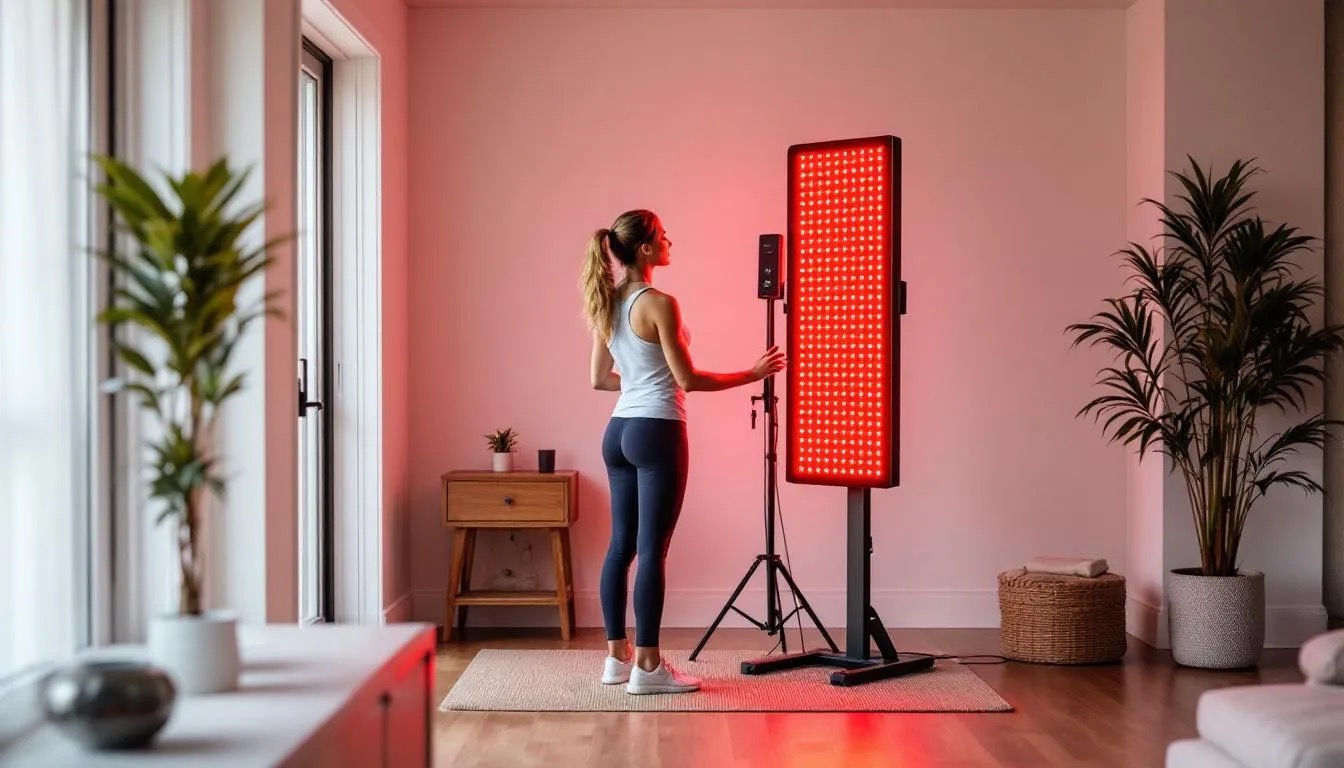
Red light therapy, also called photobiomodulation (PBM), uses specific wavelengths of red and near-infrared light to stimulate cellular function. The light penetrates your skin, reaches the mitochondria inside your cells, and triggers a cascade of beneficial effects. More ATP production. Less oxidative stress. Faster tissue repair. Reduced inflammation.
It's not a tanning bed. It's not heat therapy. And it's not magic.
The wavelengths that do the real work fall into two ranges:
Red light (630-680 nm) penetrates the surface layers of skin, around 1-3mm deep. This is what most facial LED masks and smaller devices use. It's effective for skin conditions like hyperpigmentation, wrinkles, acne scarring, and surface wound healing.
Near-infrared light (810-850 nm) penetrates 4-7cm deep, reaching muscles, joints, tendons, and even bone tissue. This is what drives the results for joint pain, plantar fasciitis, neuropathy, tendonitis, and muscle recovery.
Many professional devices, and the better at-home panels, combine both wavelengths. This dual-band approach gives you both surface and deep tissue benefits in the same session.
What doesn't work: colored light bulbs from the hardware store, red phone case filters, LED grow lights, or cheap single-wavelength strip lights. If a product can't tell you the specific nm wavelengths and the irradiance level (measured in mW/cm²), it almost certainly won't deliver therapeutic doses.
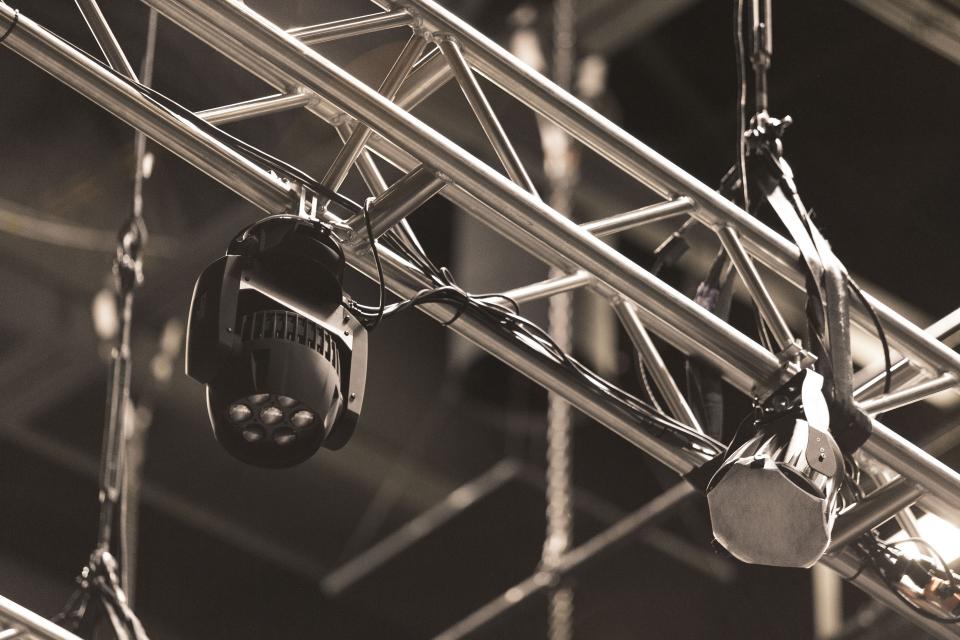
Red light therapy studios in Los Angeles
LA has a genuinely diverse range of options. Here's how to navigate them.
Med spas and dermatology clinics
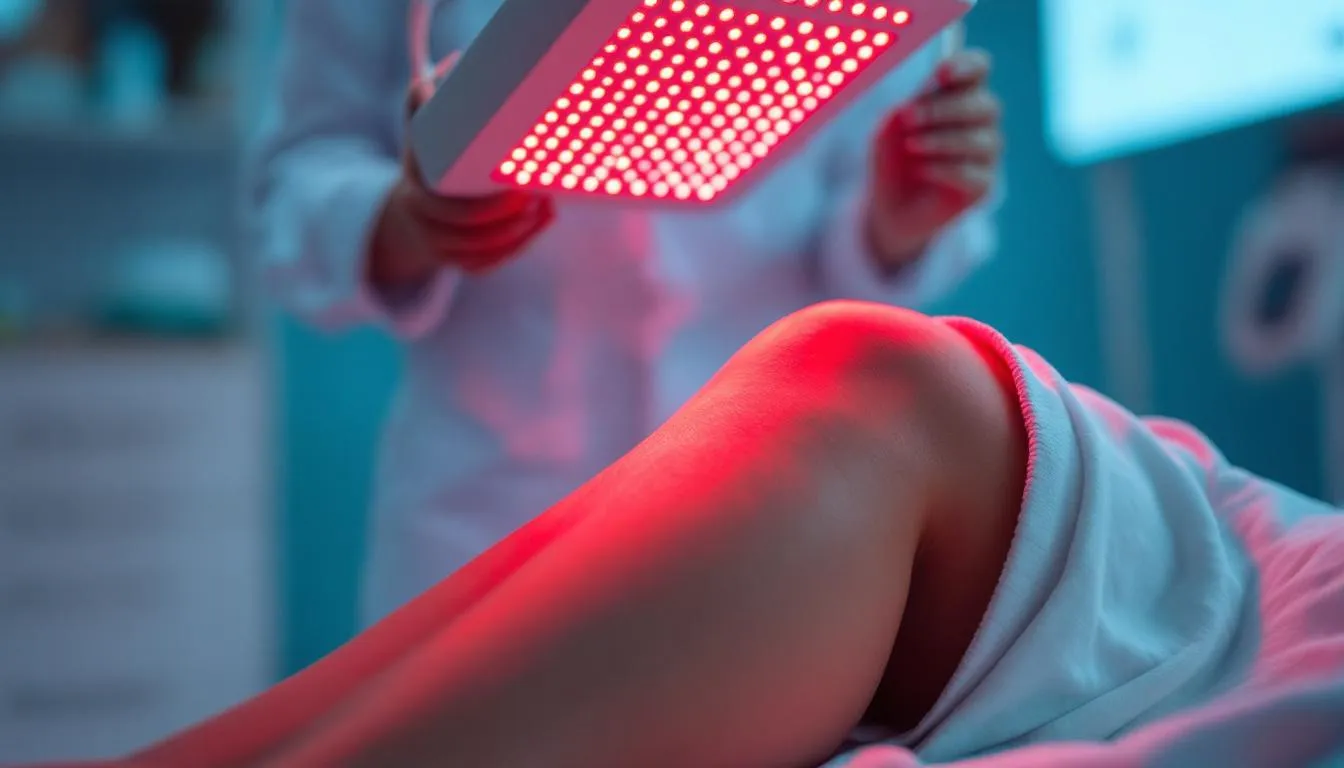
Medical-grade facilities offer the strongest devices, usually panels from brands like Joovv, Mito Red Light, or custom clinical systems. These run at higher irradiance levels and often combine red light with other treatments like microneedling, chemical peels, or laser resurfacing.
You'll pay more at med spas, typically $60-150 per session. But the devices are well-maintained and staff are trained. When asking about red light therapy at any LA med spa, the questions to ask are: What wavelengths does the device emit? What is the irradiance level at my treatment distance? How long are sessions? If they can't answer the first two, walk.
Good pairings at med spas: red light after microneedling is a popular combo because microneedling creates micro-channels that temporarily increase light penetration and the subsequent inflammation is reduced faster with PBM.
Wellness and biohacking studios
Los Angeles has a cluster of biohacking centers that offer stacked wellness protocols: red light, infrared saunas, hyperbaric oxygen, IV drips, and cold plunge. Studios in West Hollywood, Santa Monica, Beverly Hills, and Venice tend to cluster here.
These places often include red light in a "stack" package. If you're primarily interested in photobiomodulation rather than the full biohacking experience, make sure the red light offering is substantive. A 5-minute exposure in a combination pod that also blasts you with heat, sound, and vibration is not going to deliver the same dose as a dedicated 15-20 minute full-body session on a quality panel.
Some biohacking studios offer body contouring red light protocols using targeted wavelengths for fat loss and cellulite reduction. These are legitimate applications of near-infrared light, but manage expectations: results require consistent sessions over weeks, not a single visit.
Tanning salons with red light beds
Plenty of tanning salons in LA offer red light tanning beds as an upgrade from their standard UV beds. These are often referred to as "beauty angel" units or similar branding. The terminology gets confusing, and we've covered the distinctions in depth elsewhere.
The short version: red light sunbeds exist on a spectrum. Some genuine photobiomodulation units have been installed in tanning salons. Many others are hybrid UV/red light beds that deliver minimal therapeutic light alongside UV exposure. Know what you're booking. Ask specifically whether the device emits UV and what percentage of output is in therapeutic red/NIR wavelengths.
If you're in Chicago and want a comparison for our Los Angeles guide, we've also covered tanning beds and red light therapy in Chicago which has the same dynamic.
Planet Fitness locations in LA
Several Planet Fitness locations offer red light therapy as a Black Card perk. It's included with membership, which makes it the lowest-cost option if you're already a member. The Total Body Enhancement booths at Planet Fitness use a combination of vibration platform and red light from panels.
The devices are decent for general wellness and mild skin benefits, but they're not clinical-grade. Expect lower irradiance than a dedicated studio. That said, free is free, and consistent use of even a lower-intensity device beats occasional high-intensity sessions. If you're targeting serious conditions like neuropathy or joint pain, the Planet Fitness route probably isn't enough on its own.
What to ask before booking any LA red light therapy studio
This is the single most useful thing you can do before spending money.
Ask for wavelengths. Any legitimate studio should be able to tell you the nm range of their devices. Look for 630-680 nm (red) and 810-850 nm (near-infrared). Beware of vague answers like "red and infrared light" without specifics.
Ask for irradiance. This is measured in mW/cm² and tells you how powerful the light is at your treatment distance. Clinical studies typically use 30-100 mW/cm² at the skin surface. Lower intensities require longer sessions to achieve therapeutic dosing. If a studio can't give you a number, they may not be measuring it. The dosing question is tied directly to irradiance.
Ask about session length. Most effective protocols run 10-20 minutes per treatment area. Shorter sessions require higher irradiance to compensate. The relationship between time, distance, and intensity determines your total dose in joules per cm².
Ask about eye protection. Some devices require red light therapy goggles or at minimum should offer them. Whether you need eye protection depends on where the panels are positioned and the intensity. Any studio that doesn't raise this topic should raise a red flag.
Ask about maintenance schedules. LED diodes degrade over time. A panel that was 100 mW/cm² at purchase may be 60 mW/cm² two years later. Professional studios should recalibrate or replace devices on a schedule.
Common conditions LA residents use red light therapy for
The research base for photobiomodulation has grown substantially. Here are the most common reasons people in Los Angeles seek it out.
Skin health and anti-aging
This is the most popular use case in LA, full stop. Red light at 630-660 nm stimulates collagen synthesis, improves skin elasticity, reduces fine lines, and accelerates the healing of blemishes and hyperpigmentation. Clinical studies show measurable improvements in skin texture with consistent use over 8-12 weeks.
Before and after results for facial red light therapy are well-documented. The face before and after results people see most often involve improved skin tone, reduced redness, and softened wrinkles around the eyes and mouth. LED masks deliver these benefits in a convenient at-home format.
If you've had professional treatments like chemical peels or laser resurfacing, red light therapy after those procedures can cut healing time significantly. Some LA dermatologists now recommend it as standard post-procedure protocol.
Pain management and recovery
LA's active population, from weekend warriors in the Santa Monica steps to professional athletes at UCLA, uses near-infrared light extensively for recovery. The research supports it for:
- Joint pain and arthritis: Near-infrared reduces inflammatory cytokines and stimulates cartilage repair mechanisms
- Tendonitis: Accelerates tendon tissue healing, useful for common LA ailments like runner's knee and Achilles issues
- Plantar fasciitis: Clinical studies show significant pain reduction with consistent near-infrared treatment
- Neuropathy: Nerve regeneration support, particularly relevant for diabetic peripheral neuropathy
- Muscle soreness: Faster recovery between training sessions
Athletes and physically active people often find at-home devices are more practical than studio visits because recovery protocols require daily or near-daily sessions over several weeks.
Hair loss
Red light therapy for hair loss is FDA-cleared via low-level laser therapy (LLLT) devices for androgenetic alopecia. The mechanism involves increased blood flow to hair follicles and stimulation of the anagen (growth) phase. Results take 3-6 months of consistent use.
LA has a number of hair restoration clinics that offer in-office laser cap sessions, but these are expensive at $200-400 per session. Home-use devices have dramatically improved and now offer comparable results at a fraction of the cost over time.
Weight management and body contouring
Red light body contouring is popular in LA wellness studios. Near-infrared light at 630-680 nm is thought to create temporary pores in fat cells, allowing triglycerides to release. Combined with exercise and a lymphatic drainage protocol, this can support fat loss as an adjunct therapy.
It's not a weight loss cure. But as part of a comprehensive approach, studies show measurable waist circumference reductions with consistent sessions. Many LA studios market this as "non-surgical lipo" or "laser lipo alternative," which is accurate in concept if typically oversold in degree of effect.
Cellulite responds to red light therapy through improved circulation and collagen remodeling. Before and after cellulite results typically require 12-20 sessions for visible improvement.
At-home red light therapy: the case for buying your own device
Here's the math that most LA wellness studios don't want you to know.
A decent at-home full-body red light panel costs $300-800. Professional studio sessions in LA typically run $50-150 each. If you do 3 sessions per week (which is the minimum for most therapeutic protocols), you're spending $600-1,800 per month at a studio.
At that rate, a good home device pays for itself in 1-3 weeks of equivalent use.
The difference is that at-home devices are always available. You can use them at 6am before work. You can do 10-minute sessions daily rather than fewer longer studio visits. Consistency is what drives results in photobiomodulation, and nothing beats having the device in your living room.
What to look for in an at-home device
Not all panels are equal. Here's what actually matters.
Wavelengths. Prioritize panels that emit 660 nm (red) and 850 nm (near-infrared). These are the most-studied wavelengths with the strongest research support. Some panels add additional wavelengths like 630 nm or 810 nm, which are also well-supported.
Irradiance. At your treatment distance (usually 6-12 inches), you want 30-100 mW/cm² for effective dosing within a reasonable session time. Many budget panels deliver 20-30 mW/cm², which means you need longer sessions to hit the same joule dose. Not a dealbreaker, but factor it into your protocol.
Build quality. LED diodes, fans for heat dissipation, cable quality, and warranty terms vary significantly. Cheap panels from unknown brands often degrade faster. Look for brands that publish independent irradiance testing and have transparent customer service.
Size. Smaller panels (8"x12" to 12"x18") are portable and good for targeted treatments on face, joints, or small body areas. Full-body panels are better for overall wellness and whole-body protocols. If you primarily want skin benefits, a smaller panel or an LED mask may be sufficient.
For an overview of the best red light therapy beds for home use, we've broken down the full range of options.
Red light panels vs masks for LA residents
If your primary goal is facial skin improvement, an LED face mask gives you hands-free treatment and covers all facial zones simultaneously. If you want versatility for both skin and body treatments, a full panel is more practical.
Many LA residents start with a mask for skin goals and add a panel later for recovery or whole-body protocols. It's a reasonable progression.
How to use red light therapy effectively
Owning a device or booking studio sessions is the easy part. Getting results requires consistent application of the right protocol.
Session frequency
Most protocols call for 3-5 sessions per week during the initial phase (first 4-8 weeks), then dropping to 2-3 sessions per week for maintenance. Daily use is fine and even beneficial for some applications like chronic pain or hair loss.
Can you do too much red light therapy? Short answer: yes, theoretically, but it requires significantly more than most protocols recommend. Practical overdose from reasonable use is unlikely. The research suggests biphasic dose response, meaning both too little and too much can reduce effectiveness, but the "too much" threshold is quite high.
Session length and distance
This depends on your device's irradiance. A general guide:
- High irradiance (80-100 mW/cm²): 5-10 minutes per treatment area at 6 inches
- Medium irradiance (40-60 mW/cm²): 10-20 minutes per treatment area at 6-12 inches
- Lower irradiance (20-40 mW/cm²): 15-25 minutes per treatment area at 6 inches
How long to do red light therapy has a full breakdown with dosing tables if you want to calculate your exact joule dose.
What to wear
Does red light therapy work through clothes? The short answer is: not effectively. Light needs to reach bare skin to penetrate into tissue. For body treatments, treat bare skin directly. For face treatments, remove makeup and sunscreen first to maximize penetration.
Eye protection
This question comes up constantly. Whether to use eye protection depends on the intensity of the device and whether the lights are aimed at your face. For facial treatments or full-body panels where your eyes are in the light path, goggles are recommended. For body panels where your eyes aren't in the direct beam, it's less critical.
The eyes open or closed question during red light therapy is nuanced. Closed eyes block most light but aren't complete protection against high-intensity panels. When in doubt, use protection.
Full-block red NIR light glasses and ocular eye shields are the gold standard for eye protection during high-intensity sessions.
Red light therapy for specific conditions in Los Angeles
A few specific use cases worth expanding on for LA residents.
Post-workout recovery
The fitness culture in LA is intense. CrossFit, marathon training, cycling, surfing, hiking, pickleball, basketball, beach volleyball. Recovery is a legitimate performance variable, and near-infrared light has the research base to support it.
A 10-15 minute full-body near-infrared session immediately after intense training can reduce DOMS (delayed onset muscle soreness) by 30-50% in clinical studies. This isn't a fringe claim; it's repeated across multiple controlled trials with varying sports populations. The mechanism involves reduced inflammatory markers and accelerated mitochondrial recovery.
For LA athletes dealing with repetitive strain, red light for feet is particularly useful for runners and anyone with chronic foot soreness. Plantar fasciitis responds well to consistent near-infrared treatment at 810-850 nm.
Sun damage repair
If you live in LA, you live in the sun. UV exposure over time leads to hyperpigmentation, uneven skin tone, reduced elasticity, and accelerated visible aging. Red light therapy at 630-660 nm supports collagen synthesis and can help reverse some of these changes over time.
Hyperpigmentation treatment with red light works by stimulating cellular turnover and reducing melanin production signals. It takes time, typically 8-16 weeks of consistent treatment, but it works.
Red light also helps with sunburn recovery by reducing inflammation and accelerating the skin's repair process. This is one of the cleaner applications because the biology is straightforward.
Psoriasis and skin conditions
LA's dry climate can be rough on people with psoriasis. Photobiomodulation has shown consistent results for plaque psoriasis, reducing lesion size and improving skin appearance. It's an adjunct therapy, not a cure, but the research is solid.
Dental and gum health
This might surprise you. Red light therapy can support gum regeneration and oral tissue healing. Handheld red light devices designed for dental use are available and used by some LA-based biological dentistry practices as an adjunct to periodontal treatment.
The financial comparison: LA studios vs at-home
Let's run the actual numbers.
Studio option in Los Angeles:
- Entry-level wellness studio: $45-75 per session
- Premium med spa or biohacking center: $80-150 per session
- Planet Fitness Black Card with Total Body Enhancement: $25/month, unlimited
- Typical 12-week protocol (3x/week): $1,600-5,400 at paid studios
At-home option:
- Entry-level quality panel (e.g., Mito Red Light MitoPRO 300): $250-350
- Mid-range full body panel: $400-600
- Premium full-body setup: $700-1,200
- Ongoing cost after purchase: $0 (electricity is minimal, $2-5/month)
If you're serious about red light therapy as an ongoing health practice rather than an occasional treatment, the at-home route wins financially within 1-3 months of equivalent use. The Studio visit is worth it for testing the water, getting professional guidance, or combining with other treatments. Long-term, the math strongly favors ownership.
Red light therapy safety in Los Angeles: what to know
Red light therapy at proper doses has an excellent safety profile. The research literature has relatively few reported adverse effects from red and near-infrared light at therapeutic intensities.
Conditions that warrant extra caution:
People with photosensitivity conditions or those taking photosensitizing medications should check with a physician before starting. Some antibiotics, NSAIDs, and certain supplements can increase skin sensitivity to light.
Pregnancy and red light therapy is an area where caution is appropriate. Not because of strong evidence of harm, but because the evidence base for safety during pregnancy is limited. Most practitioners recommend avoiding direct treatment on the abdomen during pregnancy and consulting your OB.
Anyone with a history of melanoma or active skin cancer should consult with their dermatologist before using red light therapy.
What about comparing to infrared saunas?
LA has a proliferation of infrared sauna studios. These are different from red light therapy. Red light therapy vs infrared sauna compares the mechanisms, benefits, and differences in depth. The short version: infrared saunas use far-infrared heat for a systemic heating effect, while photobiomodulation uses specific near-infrared wavelengths for cellular signaling effects. They have overlapping but distinct benefits.
Navigating the LA wellness marketing landscape
Los Angeles has a specific problem: the wellness industry marketing machine is incredibly sophisticated. You'll see red light therapy bundled into $500 "biohacking experiences" that include five different modalities in 30 minutes, each of which you get too little of to produce meaningful results.
You'll see claims like "NASA-developed technology" (technically true in origin, but used to imply endorsement) and "FDA-cleared" (true for specific devices for specific uses, not a blanket endorsement of all red light products).
Some things to watch for:
"Full-spectrum" light claims. Some devices market themselves as full-spectrum when they're just white LED panels. White light contains red wavelengths, but at very low intensities. True photobiomodulation devices emit concentrated output in specific therapeutic nm ranges.
Vague "red and infrared" claims without nm specifics. Far-infrared (1,000-10,000 nm) is heat. Near-infrared (810-1,100 nm) is photobiomodulation. Mid-infrared is somewhere between. These are not interchangeable, and some devices market "infrared" when they mean far-infrared heat therapy.
Overpromised results timelines. One session of red light therapy isn't going to reverse years of sun damage or eliminate chronic joint pain. Anyone promising dramatic results from a single session or even a single week is selling you something.
The SeekRedLight guide to how red light therapy works covers the science in detail if you want to build a foundational understanding that lets you evaluate these claims yourself.
Building a red light therapy routine as an LA resident
Whether you're using studios or home devices, the structure of an effective red light therapy routine looks like this.
Phase 1 (Weeks 1-4): Foundation building
Start with 10-15 minute sessions, 3x per week. Focus on your primary goal, whether that's skin health, recovery, pain management, or overall wellness. This phase lets you assess how your body responds and establish baseline measurements.
Phase 2 (Weeks 5-12): Protocol optimization
Increase to 4-5x per week if you're targeting a specific condition. Many people doing skin improvement protocols see the first noticeable changes in this phase. For pain conditions, this is typically when consistent relief begins. If you're using a studio, this is when the economics start arguing strongly for owning your own device.
Phase 3 (Ongoing maintenance)
Drop to 2-3x per week. At this point, you're maintaining benefits rather than building them. Many people incorporate red light into their morning or evening routine alongside other wellness practices.
Tracking progress: Take baseline photos or log pain/symptom scores before you start. Red light therapy produces gradual changes that are easy to underestimate without a reference point. Many people don't notice how much their skin has improved or their pain reduced until they compare side by side.
Combining with other practices: Red light therapy is synergistic with exercise, good sleep, and a nutrient-dense diet. It's not a substitute for those foundations. In LA's wellness culture, it's most effective when stacked on top of solid fundamentals.
For information on combining red light with popular skincare products, retinol and red light therapy covers whether and how to combine these approaches.
Red light therapy resources for Los Angeles
If you're looking for continuing education, the research base is substantial and publicly accessible.
The National Institutes of Health's PubMed database has thousands of photobiomodulation studies searchable for free. Search terms like "photobiomodulation," "low-level laser therapy," and specific conditions of interest will surface the primary literature.
The broader SeekRedLight resource library covers most major conditions, device categories, and usage questions in depth. If you have a specific question about red light therapy that isn't answered here, there's likely a dedicated guide already written.
For those comparing devices before purchase, our blog section reviews specific products and device categories in detail.
Frequently asked questions
How much does red light therapy cost in Los Angeles?
Sessions at dedicated studios or med spas typically run $50-150 per session. Planet Fitness Black Card membership ($25/month) includes unlimited access to the Total Body Enhancement booth with red light. At-home devices range from $250 for entry-level panels to $800+ for premium full-body setups.
Is red light therapy covered by insurance in LA?
Generally not through standard health insurance. Some HSA and FSA accounts allow spending on medical devices, including certain FDA-cleared red light therapy devices. FSA/HSA eligibility varies by device and plan, so check with your benefits administrator.
How often should I go to a red light therapy studio?
Most effective protocols call for 3-5 sessions per week, especially during the initial 4-8 week period. At studio prices in LA, this makes the economics of home device ownership compelling quickly.
Can I use red light therapy at a tanning salon?
Yes, many LA tanning salons offer red light beds. Quality varies significantly between facilities. Ask specifically about wavelengths, irradiance levels, and whether the device emits UV radiation alongside the red light. Our guide to red light tanning beds covers what to look for.
What's the difference between red light therapy and infrared sauna?
They're distinct modalities. Red light therapy (photobiomodulation) uses specific light wavelengths to stimulate cellular function. Infrared saunas use far-infrared heat to raise core body temperature for detox and cardiovascular effects. Both have legitimate benefits; they work through different mechanisms. We've compared them head to head in red light therapy vs infrared sauna.
How long does it take to see results from red light therapy?
Depends heavily on the condition. Skin improvements (texture, tone, fine lines) typically become noticeable at 4-8 weeks of consistent use. Pain reduction for joint conditions can start within 2-4 weeks. Hair loss results take 3-6 months. How long for red light therapy to work covers expected timelines by condition.
Do I need eye protection for red light therapy in LA studios?
Most professional studios provide goggles or recommend them. Whether you need them depends on the device intensity and position. For facial treatments, goggles are standard. For body panels where your face isn't in the beam, they're less critical. Eye protection for red light therapy covers the full picture.
Is red light therapy safe for people with darker skin tones?
Yes. Red and near-infrared light at therapeutic wavelengths is safe for all skin tones. Unlike UV-based treatments that carry different risks for different Fitzpatrick types, photobiomodulation doesn't cause UV damage, tanning, or melanin-related side effects. The cellular mechanisms work the same across skin types.
Related guides
- Red light therapy for joint pain
- Red light body contouring
- Red light therapy beds near me
- Red light therapy for weight loss near me
- Red light therapy in Las Vegas: the guide
Sources
In case I don't see you, good afternoon, good evening, and good night. May your skin keep renewing, your joints stay easy, and your sessions in the California light keep building toward the results you're after. Explore SeekRedLight for comprehensive guides and tools to optimize your red light therapy, wherever you are in Los Angeles.