Rojo red light therapy: complete device guide and review
Everything about Rojo Light Therapy panels: full device lineup, wavelength specs, app control, and how Rojo compares to Joovv and Mito Red Light for home use.
You've done your research. You know the basics: red wavelengths around 660nm, near-infrared around 850nm, irradiance matters, and you need to sit close enough for it to actually work.
But then you start comparing brands and the confusion multiplies. Joovv costs a small fortune. Mito Red Light is popular but the reasons aren't obvious. PlatinumLED has seven wavelengths and more raw power. And then someone mentions Rojo, an Australian brand with a cult following in photobiomodulation forums that apparently placed third out of 62 panels in a major independent test.
So you wonder: is Rojo actually good, or is this clever marketing? What do five wavelengths actually do that two can't? And is a company you've never seen advertised worth trusting with a $1,300 purchase?
Good questions. All of them.
SeekRedLight has assembled everything you need to make a confident decision about Rojo Light Therapy. That includes the specs that matter, the genuinely innovative features, the limitations worth knowing, and honest comparisons to the alternatives. By the end of this guide, you'll know exactly what Rojo offers and whether it belongs in your home.
What is Rojo Light Therapy?
Rojo Light Therapy is a red and near-infrared LED panel brand built from 19 years of photobiomodulation manufacturing experience. The company grew out of Sun Stream Infrared Saunas, an Australian business that spent nearly two decades building infrared sauna technology before turning that expertise toward dedicated LED therapy panels. Today, Rojo operates worldwide with teams and warehouses in five regions: the USA, UK, France, Australia, and New Zealand.
The name "Rojo" is Spanish for "red." Simple, direct, accurate. But the brand represents something more specific than just another red light panel. Their Refine Series introduced a feature that independent reviewers described as unprecedented: individual control over each of five separate wavelengths. We'll explain why that matters. First, a brief grounding in the science.
Red light therapy, also called photobiomodulation (PBM), uses specific wavelengths of visible red and near-infrared light to stimulate cellular processes. The primary mechanism involves absorption by mitochondrial chromophores, specifically an enzyme called cytochrome c oxidase (CCO), which sits in the inner mitochondrial membrane. When photons of the right wavelengths hit CCO, they trigger a cascade: increased electron transport, greater ATP production, and downstream effects including reduced oxidative stress, lower inflammatory signaling, and accelerated tissue repair.
The therapeutic applications built on this mechanism are wide-ranging. Joint pain and arthritis respond to the anti-inflammatory and collagen-stimulating effects. Hair loss protocols leverage increased blood flow and cellular activity in follicles. Skin conditions including hyperpigmentation and aging improve through collagen synthesis and enhanced cell turnover. Neuropathy, plantar fasciitis, tendonitis, headaches, and psoriasis all have meaningful clinical evidence behind their photobiomodulation protocols.
The device you use determines whether you actually deliver therapeutic photon doses to target tissues. A cheap device might produce visible red light without generating enough energy density at the right wavelengths to trigger meaningful biological effects. Understanding what Rojo delivers is therefore worth your time.
The Rojo product lineup
Rojo sells three product categories: the Refine Series (current generation), the legacy Therapy line, and the Dorada facial mask. Understanding the differences is essential before evaluating pricing.
The Refine Series (current generation, 5 models)
The Refine Series is the flagship line and the reason Rojo gets serious attention from photobiomodulation enthusiasts. All five Refine models share the same core technology: five wavelengths, individual control over each wavelength, ten pre-programmed smart modes, and the ROJO app for session management.
Refine 180 is the smallest, designed for targeted treatment of specific areas. Face, neck, knee, shoulder, or any localized zone. It draws 118W and comes with an adjustable stand included. Not intended for full-body coverage, but a clean entry point into the Refine ecosystem with access to all the wavelength control features.
Refine 360 steps up with 120 LEDs and 230W of power draw. Covers more surface area and works with Rojo's wheeled floor stand. This is the model for people who want larger zone coverage beyond targeted treatment without committing to a full-size panel.
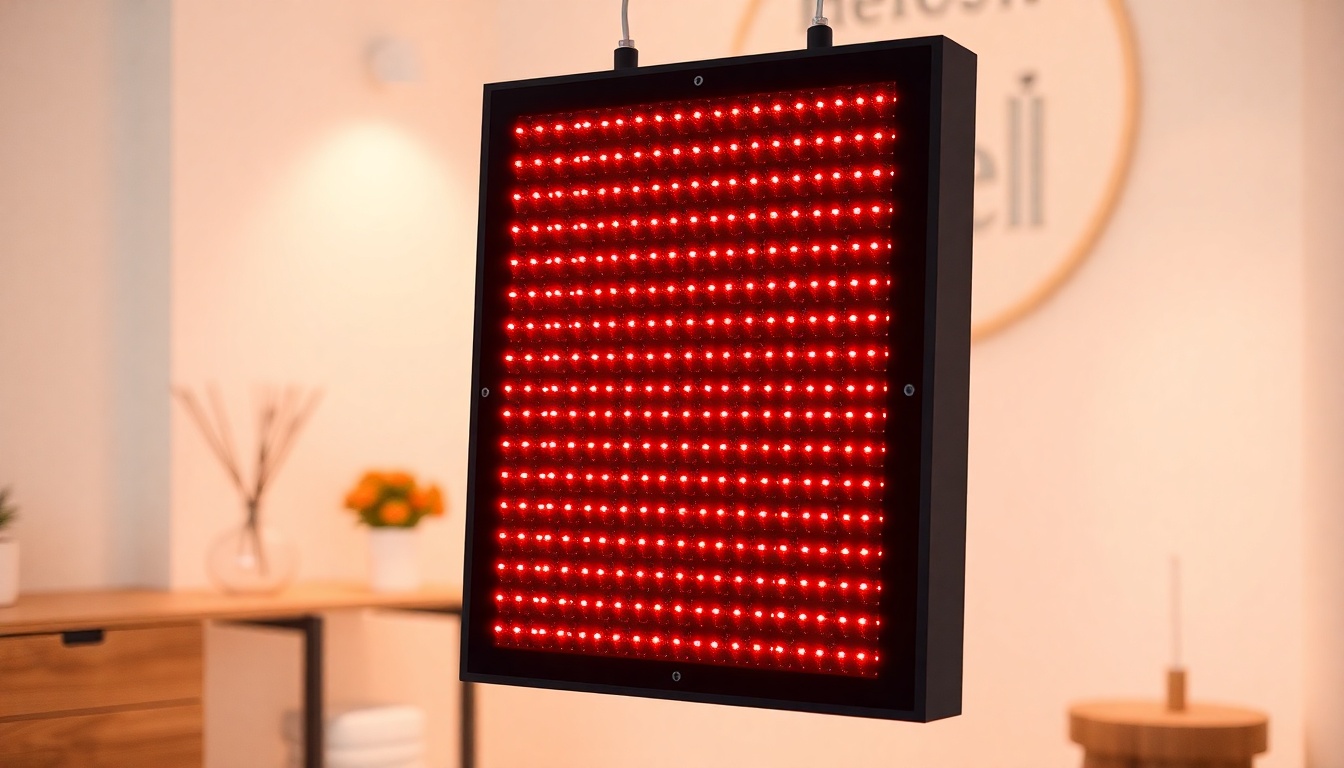
Refine 900 is the most widely recommended model in independent reviews. It features 300 dual-chip LEDs (600 individual LED chips total), runs at 483W, and delivers an average of 73 mW/cm² irradiance at 6 inches, with an 85 mW/cm² peak. The panel is 36 inches tall and 12 inches wide, covering the full torso in a standing position. A wheeled floor stand is included at no extra charge, a value of roughly $100-150. Price: $1,295.
Refine 1800 doubles the LED count to 600 LEDs with 960W of power draw. For people who want to treat both front and back of the torso without repositioning multiple times, this is the practical step up.
Refine 3600 is Rojo's largest panel. 1,200 dual-chip LEDs, 1,200W total power draw, 70 inches tall by 23 inches wide, 90 lbs. Irradiance at 6 inches is 72 mW/cm². Price: $3,700. One important note for US buyers: the Refine 3600 draws 17.6 amps and requires a dedicated 20-amp circuit on 110V systems. This is not a plug-into-any-outlet situation.
The legacy Therapy line
ROJO Therapy 1500 is the smaller legacy panel for targeted use.
ROJO Therapy 3000 is the larger legacy option. 600 LEDs, 1,910W power draw, 75.9 mW/cm² average irradiance at 6 inches with a 100 mW/cm² peak, and 313W of verified therapeutic output. Price is approximately $2,000.
The differences from Refine matter: the Therapy 3000 uses four wavelengths (no 810nm), lacks individual wavelength control, is not compatible with the ROJO app, and uses a physical control panel interface that reviewers consistently criticize for its menu complexity and awkward screen positioning. If you're choosing between Therapy 3000 and Refine 1800 at similar price points, the Refine delivers better technology.
The Dorada facial mask
The ROJO Dorada is a 3D contoured full-face and neck mask made from medical-grade silicone. 122 LEDs span four wavelengths: 415nm (blue for acne-causing bacteria), 590nm (yellow for skin rejuvenation and collagen), 660nm (red for healing and collagen production), and 850nm (near-infrared for deeper penetration). The hands-free design makes it practical for daily skincare routines.
One limitation worth knowing: the Dorada's eye inserts block light completely, which leaves the crow's feet and under-eye areas untreated. If periorbital rejuvenation is a priority, a supplemental targeted device helps. Red light mask before and after results improve with consistent use over 8-12 weeks rather than days.
The five wavelengths explained
Most consumer and mid-range panels use two wavelengths: 660nm red and 850nm NIR. Some premium panels add a third. Rojo's Refine Series uses five. Here's what each one does and why the range matters clinically.
630nm (red)
The 630nm wavelength sits at the shorter end of the therapeutic red spectrum. It penetrates less deeply than 660nm but is highly absorbed by surface-level skin structures, including fibroblasts in the upper dermis. Research supports 630nm for acne treatment, surface wound healing, and collagen stimulation in superficial tissue layers. For people whose primary goal is skin texture and tone, 630nm at adequate fluence rates makes a meaningful contribution.
660nm (red)
This is the most researched wavelength in photobiomodulation. 660nm penetrates roughly 2-4mm into tissue, reaching the dermis, superficial capillaries, and peripheral nerve endings. It's the primary wavelength for skin rejuvenation, hair follicle stimulation, wound healing, anti-inflammatory effects, and collagen synthesis. When you see clinical studies citing red light therapy benefits for skin and surface tissue, they're almost always using 660nm as the core wavelength.
810nm (near-infrared)
810nm is a wavelength that separates the Refine Series from Rojo's legacy panels and many competitors. It sits in a particularly effective absorption window for cytochrome c oxidase in the NIR range, meaning the mitochondrial response at 810nm is especially strong per unit of photon energy delivered. Research on neurological applications, peripheral neuropathy relief, and deep tissue recovery specifically identifies 810nm as highly effective.
Some photobiomodulation researchers consider 810nm the most biologically potent single wavelength in the therapeutic range due to its cytochrome c oxidase binding efficiency. Its absence in the legacy Therapy 3000 is a meaningful limitation. For users treating nervous tissue conditions like neuropathy in the feet or hearing loss protocols, 810nm is the wavelength you want available.
830nm (near-infrared)
830nm provides deep tissue penetration reaching 4-6cm in some tissue types. It's consistently cited for joint pain applications, arthritis, deep muscle recovery, and tendon healing. The slightly longer wavelength compared to 810nm means it can reach structures like lumbar vertebrae, hip joints, and shoulder capsules that shorter wavelengths can't access at therapeutic levels.
850nm (near-infrared)
850nm is the most common near-infrared wavelength in consumer devices. It penetrates to approximately 5-7cm in tissue, making it suitable for musculoskeletal conditions, lymphatic drainage, and systemic anti-inflammatory effects. Combined with 830nm, the Refine Series provides redundant deep NIR coverage across two adjacent absorption peaks.
Why five wavelengths matters for results
The case for multiple wavelengths comes from how different wavelengths hit different absorption peaks in biological tissue. No single wavelength is optimal for all conditions.
Skin concerns favor shorter wavelengths: 630nm and 660nm do most of the work on the dermis and epidermis. Running full NIR at high intensity during a facial session dilutes the effective red light photon dose at the skin surface without proportional benefit for surface-level conditions.
Deep tissue pain from arthritis, back problems, or plantar fasciitis benefits from higher proportions of 810nm, 830nm, and 850nm, reaching joint capsules, synovial tissue, and deep muscle bellies.
Neurological applications such as peripheral neuropathy or headache protocols respond specifically to 810nm's high mitochondrial affinity in nervous tissue.
Hair loss protocols typically combine 630nm and 660nm for follicle stimulation with some NIR for scalp vasodilation.
Being able to tune wavelength output to match the condition you're treating isn't a feature you'll use once. It's the difference between a therapeutic instrument and a general-purpose light box.
How red light therapy compares to infrared sauna therapy is worth understanding here: infrared sauna generates heat across a broad spectrum rather than targeting specific photon absorption windows. For precise photobiomodulation, LED panels with specific wavelength control deliver more targeted cellular effects than broad-spectrum heat.
Key performance specs
Understanding what's on a spec sheet requires knowing what actually matters.
Irradiance: the most important number
Irradiance, measured in mW/cm², tells you how much light energy hits a given skin area per second. This is the metric that most directly determines therapeutic output.
The Refine 900 delivers 73 mW/cm² average and 85 mW/cm² peak at 6 inches. These specs were independently verified by lighttherapyinsiders.com using spectrometer testing, and they match Rojo's stated numbers closely. The research protocols that demonstrated clinical benefits in peer-reviewed trials used irradiance levels typically between 20 and 100 mW/cm².
At 6 inches from the Refine 900, you're in the therapeutic sweet spot. At 12 inches, irradiance drops by roughly half due to the inverse square law. This relationship between distance and irradiance directly affects how long you need each session: backing up to 12 inches doubles the time needed to deliver the same photon dose.
Coverage area
The Refine 900 at 36 inches tall and 12 inches wide covers the full torso in a standing position. Larger models scale proportionally, with the Refine 3600 at 70 inches covering essentially full body for most adults. For the Refine 1800 and 3600, consider whether you want front-only coverage (one panel) or bidirectional coverage (two panels facing each other), which the Refine's modular design accommodates.
Power draw vs. therapeutic output
Power draw and therapeutic output are not the same. A panel consuming 483W of electricity doesn't deliver 483W of photobiomodulation. Electrical energy is converted to heat as well as photons, and driver efficiency, LED chip quality, and optical design all affect what percentage of power consumption becomes useful therapeutic light.
The Refine 900 draws 483W and delivers approximately 150W of therapeutic output. The Refine 3600 draws 1,200W and delivers about 670W therapeutically. Cost per watt of therapeutic output is the metric that makes value comparisons meaningful. More on this in the comparison section.
EMF output
Electromagnetic field exposure is a legitimate concern for frequent users of high-powered electrical devices at close range. Rojo has engineered the Refine Series for ultra-low EMF. At 3 inches from the panel, magnetic field strength measures below 1 milligauss, and electric field strength is only 2 V/m. Standard concern thresholds start around 1-2 mG for magnetic fields. The Refine Series comfortably clears these margins.
For broader safety context, SeekRedLight's eye protection guide covers related considerations including the absence of UV output in therapeutic LED panels.
Noise level
The Refine 900 operates at approximately 46.5 dB, equivalent to a quiet conversation. The Refine 3600 is quieter at 43.5 dB despite its larger size. Both are usable in a bedroom or home office without disrupting work or sleep. The legacy Therapy 3000 runs at 51 dB, noticeably louder.
Flicker
High-frequency LED flicker can cause headaches and eye strain during extended sessions. Rojo uses premium drivers in the Refine Series to eliminate flicker. Independent testing confirmed the Therapy 3000 as flicker-free, and the Refine Series uses equivalent or better driver quality.
Pulsing capability
The Refine Series supports pulsing from 1Hz to 999Hz. Pulsed photobiomodulation has additional evidence in some neurological applications, with specific frequencies thought to enhance certain cellular response pathways. The legacy Therapy 3000 supports 1-20Hz NIR pulsing only.
The standout feature: individual wavelength control
This is where Rojo genuinely stands apart.
On most multi-wavelength panels, wavelengths are grouped into modes. You might get a "red" mode for visible wavelengths, an "NIR" mode for infrared, and a "combo" mode that fires everything simultaneously. You can adjust overall intensity. But you can't independently tune each individual wavelength.
Rojo's Refine Series lets you dial each of the five wavelengths to any percentage you want, independently. Want 100% 660nm with zero NIR? Fine. Want 30% 630nm, 70% 810nm, nothing else? Fine. Want to blend 50% 660nm with 25% 830nm and 25% 850nm for a joint pain protocol? Fine. The combinations are essentially unlimited.
Independent reviewers have described this as a capability not matched by any other panel on the market at time of review. Whether you consider Rojo the inventor of this approach or simply the most capable current implementation, the feature is genuinely useful and genuinely rare.
The clinical rationale is straightforward. Treating skin aging calls for a different wavelength balance than treating deep back pain. Hyperpigmentation protocols emphasize 630nm and 660nm at the skin surface. Lymphatic drainage support benefits from deeper NIR penetration. Post-microneedling protocols have specific wavelength recommendations for supporting healing. Running all wavelengths at maximum every session ignores this nuance. Individual control lets you match photon delivery to the actual biology.
10 smart modes
For users who don't want to design their own protocols from scratch, Rojo pre-built ten protocols based on photobiomodulation research. Each smart mode specifies which wavelengths to activate, at what intensity percentages, for how long, and at what treatment distance. These cover common use cases: skin health, acute pain relief, chronic inflammation management, muscle recovery, sleep optimization, and more.
SeekRedLight recommends starting with the smart modes for the first 4-6 weeks while you learn how your body responds to different protocols, then experimenting with custom settings once you have a baseline.
Custom presets and the app
Beyond the pre-built modes, the app supports three saveable custom presets. Found a combination that works well for your specific protocol? Save it and recall it with a tap. The app also handles firmware updates, meaning Rojo can push improvements to existing devices without hardware changes.
The app's honest limitations: Multiple users report that starting a session requires navigating several menu layers rather than a single tap, which creates friction over hundreds of sessions. The iOS timer can lose tracking if the phone screen times out mid-session, a software bug. And the Refine Series app is not backward-compatible with legacy Therapy panels, meaning Therapy 3000 owners upgrading to a Refine model manage two separate control systems.
These are fixable software problems. Rojo's firmware update capability means the interface can improve without you needing new hardware. But factor in an adjustment period when you first set up the device.
Treatment protocols with Rojo devices
The specs only matter if you use the device correctly. Here's how to get the most out of Rojo panels for common conditions.
Distance, dose, and duration
The fundamental equation in photobiomodulation dosing is: irradiance (mW/cm²) × time (seconds) = dose (J/cm²). At 6 inches from the Refine 900, with 73 mW/cm² average irradiance, a 10-minute session delivers approximately 43.8 J/cm². Most condition-specific research protocols target doses in the 10-60 J/cm² range per session per treatment area.
Backing up to 12 inches roughly halves irradiance to 35-40 mW/cm², which means you need 20 minutes to deliver the same dose. How long to do red light therapy depends entirely on this distance calculation, and the Refine's smart modes account for it by specifying recommended treatment distances alongside durations.
Can you do too much red light therapy? Yes. Excessive photon dose can overstimulate cells and blunt the therapeutic response. This is called the biphasic dose-response. More is not always better, and the research-based smart modes are calibrated to stay within beneficial dose ranges.
Session frequency and consistency
Most photobiomodulation protocols in clinical research use 3-5 sessions per week during an active treatment phase of 4-12 weeks, followed by maintenance at 1-3 sessions per week. Daily sessions are fine for most applications. Twice-daily is generally not necessary for home use and risks cumulative overdose in sensitive individuals.
The single most important factor in results is consistency. A panel used 4 days per week for 12 weeks delivers dramatically better outcomes than sporadic use whenever you remember. Think of it like a training protocol: the cumulative photon dose over time builds the therapeutic effect.
Conditions and positioning
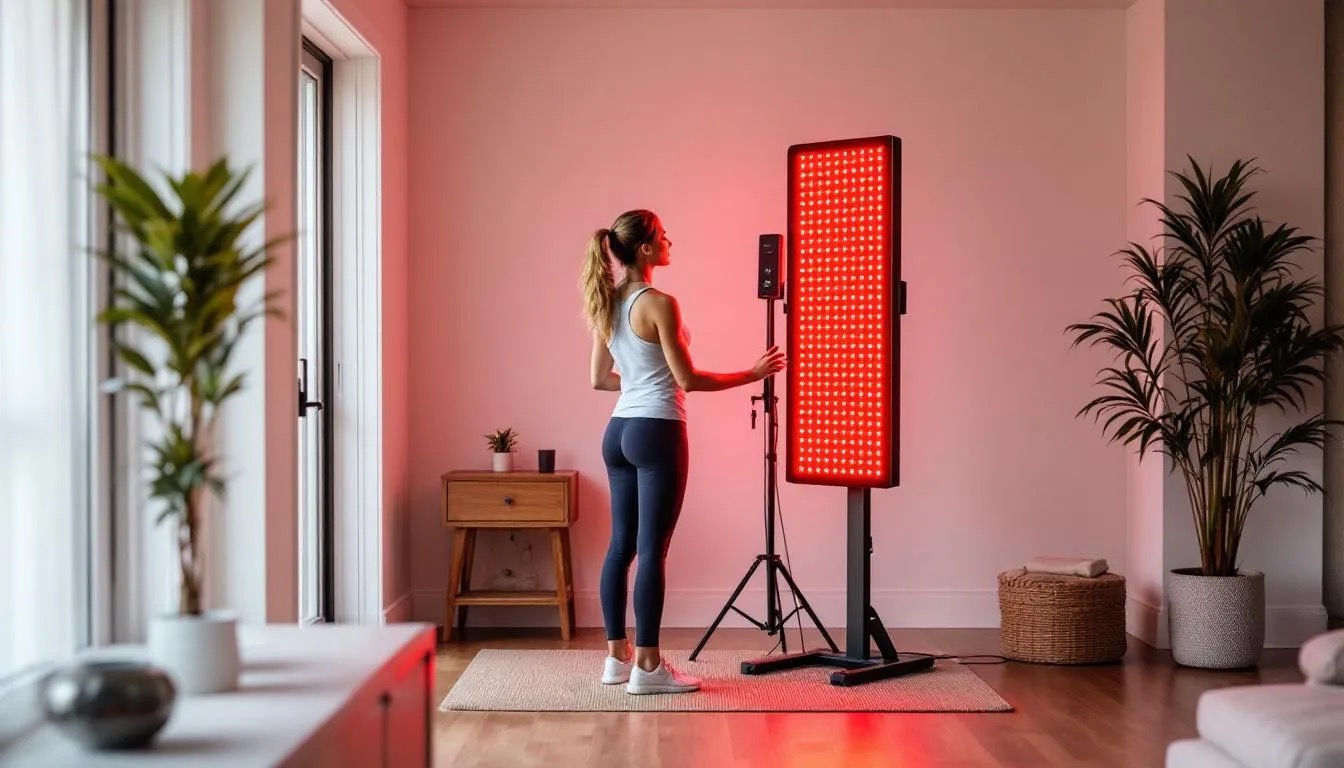
Back and joint pain: Stand facing the panel with the affected area 6 inches from the surface. The Refine 900's 36-inch height covers the full lumbar and thoracic spine in a standard standing position. For hip joint treatment, sitting at the right distance with the panel at hip height works better than standing. Configure the smart mode for pain or increase the 810nm and 830nm proportions manually for deep tissue targeting. Red light therapy for joint pain covers the evidence and protocols in detail.
Skin rejuvenation and anti-aging: For facial treatment, the Dorada mask handles this hands-free with its 3D contoured design and four-wavelength profile. For neck, décolleté, and hand skin, position a smaller panel like the Refine 180 or 360 at 6-10 inches. Increase the 630nm and 660nm proportions for surface-level skin work. Check red light therapy face before and after for realistic expectations and protocol timelines. If you use retinol and red light therapy together, apply skincare products after sessions, not before.
Hair loss treatment: Position a panel overhead or at scalp level. The red light therapy for hair loss evidence focuses primarily on 630nm and 660nm wavelengths for follicle stimulation. The Refine Series allows you to tune up the red wavelengths and reduce NIR for dedicated hair sessions, something a two-wavelength panel can't offer.
Foot neuropathy and plantar fasciitis: Position the Refine 180 or lower section of the Refine 900 at foot height with bare feet 6 inches from the LEDs. Red light therapy for neuropathy and plantar fasciitis protocols both benefit from including the 810nm wavelength, which Rojo's Refine Series offers and the legacy Therapy 3000 does not.
Sunburn and wound healing: Red light therapy for sunburn protocols focus on anti-inflammatory and skin repair mechanisms. Keep the wavelength balance red-dominant (660nm primary), reduce NIR to minimize heat perception on sensitized skin, and treat at 8-12 inches rather than 6 for damaged tissue.
Weight management support: Red light therapy for fat loss and body contouring require the longest treatment timelines and need to be paired with appropriate diet and exercise. Full-panel exposure is more relevant here than targeted treatment, which makes the Refine 900 and larger models the practical options.
Post-workout recovery: A 10-15 minute full-body session after training can reduce delayed onset muscle soreness and accelerate tissue repair. Configure the protocol for higher NIR proportions (830nm and 850nm) to reach deeper into muscle tissue. This is one of the most immediate-effect applications: many users notice reduced next-day soreness within the first few sessions.
Lymphatic support: Red light therapy for lymphatic drainage uses the vasodilatory and anti-inflammatory effects to support lymph flow, particularly for people dealing with swelling or post-surgical recovery. Full-panel exposure is more relevant here than targeted treatment, with 850nm playing a significant role in the deeper tissue response.
Hearing and ear health: The emerging evidence on red light therapy for hearing loss specifically identifies 810nm as one of the more relevant wavelengths for cochlear tissue. This is an application where the Refine Series' 810nm wavelength and the ability to increase its proportion in the protocol matters more than it would for surface-level conditions.
Eye protection
Whether you need eye protection during sessions depends on whether your eyes face the panel. Do you need eye protection for red light therapy? For direct panel exposure at typical 6-12 inch distances, protective eyewear is recommended. Red light therapy goggles rated for both red and NIR wavelengths are the standard solution. Full-block red NIR light glasses reviews cover which products provide adequate spectral protection rather than just cosmetic blackout.
Can you keep eyes open or closed during red light therapy? Closed eyes are meaningfully safer than open eyes for direct LED exposure without goggles. For treatment areas that don't involve facing the panel (back, legs, back of arms), protection isn't needed.
Clothing and skin exposure
Does red light therapy work through clothes? In short: no. Fabric significantly attenuates photon delivery. The target tissue needs to be exposed for therapeutic photon doses to reach it. This is particularly relevant for back pain and joint protocols where people are tempted to keep clothing on.
Rojo vs the competition
The value proposition only makes sense in context.
Rojo vs Joovv
Joovv is the most recognizable name in premium home red light therapy. They've built strong brand equity around clean design, medical practice partnerships, and physician endorsements. Their products work well. But they're expensive.
Based on independent testing metrics, Joovv panels cost approximately $21 per watt of therapeutic output. The Rojo Refine 900 comes in at $7.60 per watt. The Refine 3600 at $5.00 per watt.
For equivalent coverage area, you're paying 2.5 to 4 times more per watt of therapeutic output for Joovv's brand. Joovv also doesn't offer individual wavelength control.
Is there anything Joovv does better? Their modular expansion system is well-engineered for building multi-panel setups. Their support infrastructure in the US is more established. And brand recognition matters if you're using devices in a professional clinical context where patients need to recognize the equipment. But for home use and pure photobiomodulation performance per dollar, the math doesn't favor Joovv. Red light therapy vs infrared therapy comparison covers the broader device category landscape.
Rojo vs Mito Red Light
Mito Red Light's MitoPro line is Rojo's closest direct competitor. The Mito MitoPro 1500X costs approximately $7.90 per watt of therapeutic output against the Refine 900's $7.60. Essentially identical on price per watt.
The distinction is features. Mito's Adapt series added 810nm and some app-based control, partially closing the gap. But Mito's wavelength customization doesn't reach the granular per-wavelength intensity control that the Refine Series offers. If independent wavelength tuning matters to you, Rojo is the stronger choice at similar pricing.
Mito has a longer US market track record, which means more community reviews, more anecdotal data from long-term users, and a larger support knowledge base. If you're risk-averse about buying from a newer brand, Mito is the safer choice. If you want the most technically advanced wavelength control in the mid-range price segment, Rojo is better positioned.
Cold laser therapy vs red light therapy provides context for understanding how panel-based devices compare to clinical laser devices, which is useful background if you're evaluating professional treatment alternatives.
Rojo vs PlatinumLED BioMax
PlatinumLED's BioMax series goes the other direction: seven wavelengths including 1060nm far-infrared, higher raw power output per panel, but no individual wavelength intensity control. The BioMax 900 delivers more total irradiance than the Refine 900. If maximizing raw photon delivery is your primary criterion and you don't need precise wavelength tuning, PlatinumLED is a legitimate alternative.
The trade-off is inflexibility. With PlatinumLED, you get the full seven-wavelength stack at whatever mode you select. You can't isolate 810nm for a neurological protocol or concentrate 630nm and 660nm for a skin-focused session. For users treating a single condition consistently, this may not matter. For users who want to address multiple different health goals with one device, Rojo's control system has a meaningful advantage.
In an independent comparison of 62+ panels by lighttherapyinsiders.com, the Rojo Refine 900 ranked third overall, based on combined performance metrics including measured irradiance accuracy, wavelength coverage, feature set, and value.
Which Rojo model should you buy?
Refine 180: Right for targeted single-zone treatment. Face, neck, a specific joint. The most affordable Refine entry point.
Refine 360: Right for treating larger areas without committing to a full-body panel. Good if you primarily care about skin, arms, or a specific region of your torso.
Refine 900: The recommendation for most buyers. Third-place out of 62+ panels. Strong irradiance specs independently verified. Full five-wavelength control. Included floor stand. $1,295. If you're treating back pain, skin health, muscle recovery, hair loss, or general wellness, this covers the use cases without overpaying for panel area you don't need.
Refine 1800: Right for people who want substantial full-torso coverage in a single standing session. Meaningful step up from the 900 in coverage area.
Refine 3600: Right for people who want full-body coverage front and back, or who are treating whole-body conditions seriously. Verify your home's electrical capacity before ordering.
Therapy 3000: Hard to recommend at its price when the Refine 1800 exists. The missing 810nm wavelength, lack of app control, and inferior UX represent real limitations compared to current-generation technology.
Dorada mask: Complementary to a panel, not a replacement. Excellent for standalone facial protocols with four targeted wavelengths and hands-free design. If face and neck are your primary treatment goals, it's a strong dedicated device.

Setting up your first Rojo session
The practical setup side of ownership is worth covering before you commit.
Space and placement
The Refine 900 needs approximately 2-3 feet of clear standing space in front of it. You'll stand 6-12 inches from the panel, so you can position the panel close to a wall and step into the treatment zone. A bedroom corner, a wall in a home gym, or a spare office area all work well.
For the Refine 3600 at 70 inches tall and 90 lbs, plan for dedicated space. This is not a device you'll frequently move. It belongs against a wall in a room where it lives.
Electrical setup
The Refine 900 at 483W draws about 4.4 amps on a 110V circuit, well within any standard household outlet. The Refine 1800 at 960W draws about 8.7 amps, also fine for standard outlets. The Refine 3600 at 1,200W and 17.6 amps exceeds what a 15A circuit handles safely and needs a dedicated 20A outlet. Red light therapy beds for home use face similar electrical requirements when scaled to full-body bed format.
The included floor stand
The Refine 900's included wheeled stand is a genuine convenience feature. You can roll the panel to your preferred treatment location, do your session, and roll it back to storage. This matters in homes where a permanent installation isn't practical. The optional motorized stand at approximately $790 adds push-button height adjustment, useful if multiple people of different heights use the panel regularly.
First session checklist
Start simple. For your first session with the Refine 900:
Set the smart mode for your primary goal. Use the app-recommended treatment distance (typically 6 inches). Set duration to 10 minutes. Wear red light therapy goggles if you're facing the panel. Expose the target skin area. Stand still or sit comfortably for the duration.
After the first session, notice how you feel. Most people feel nothing unusual. Some report a mild energizing effect or feeling relaxed. Either is normal. Results accumulate over weeks, not sessions.
Does red light therapy tan you? No. Therapeutic red and NIR LEDs don't emit the UV wavelengths responsible for tanning or burning.
What results to expect and when
Results from photobiomodulation follow predictable timelines. Expecting overnight transformation leads to disappointment. Understanding the actual progression helps you stay consistent.
Weeks 1-2: Most users notice little during this period. You might feel slightly better after sessions, sleep a bit more soundly (an early and commonly reported effect), or experience reduced post-workout soreness. These are real effects, just subtle. Don't quit because you're not seeing dramatic changes.
Weeks 3-6: This is where observable changes typically begin. People treating joint pain often report meaningful reduction in morning stiffness and daily inflammation. Skin users begin noticing improved tone and texture. Hair loss users may see reduced shedding before new growth becomes visible.
Weeks 8-12: For conditions with strong photobiomodulation evidence, this is the standard timeframe for meaningful clinical results. Tendonitis protocols in research typically show significant improvement by weeks 8-10. Skin before and after photos from the 12-week mark show the most dramatic differences. Cellulite treatment outcomes also peak around this timeframe with consistent use.
Ongoing: Most people find that maintenance sessions at 1-3 times per week preserve gains. Chronic conditions like psoriasis or degenerative joint conditions may require ongoing treatment rather than a finite course.
The most important factor in any protocol is consistency. Three sessions per week for 12 weeks delivers far better results than 12 sessions scattered over 12 weeks. The cellular mechanisms of photobiomodulation respond to cumulative dose over time.
Tracking your sessions helps. Note the protocol, distance, and duration you use. If you're treating joint pain or hair loss, take weekly photos or rate your discomfort on a simple 1-10 scale. Progress in photobiomodulation is gradual enough that memory underestimates it. Seeing a trend over 12 weeks is more motivating than trying to recall how you felt a month ago.
What Rojo could improve
An honest guide includes the limitations.
The app UX needs work. Starting a session in multiple menu taps creates friction that accumulates over hundreds of sessions. Single-tap session start based on your last-used preset would be a simple improvement. The iOS timer bug (losing track when the screen times out) should be a quick software fix. Rojo's firmware update capability means neither issue requires hardware changes.
Legacy panel compatibility. The Refine app doesn't communicate with Therapy 1500 or Therapy 3000 panels. Customers who upgrade from legacy to Refine manage two separate control systems. A bridge mode or even clear migration guidance would serve this segment better.
Dorada eye coverage. The mask's eye inserts protect vision but block treatment to the periorbital area entirely. A redesign incorporating optically filtered (rather than opaque) eye regions would allow light to reach crow's feet and under-eye areas while maintaining safety. Engineering challenge, yes. But the current design leaves a gap in facial protocol coverage.
Customer service at scale. Documented cases of slow response to minor part defects in the EU market suggest that as Rojo grows internationally, their support infrastructure needs to grow in parallel. Single data points are not damning, but they're worth noting as the brand expands.
The positives from users are consistent: good build quality, premium feel, measurable sleep improvements, back pain relief, and genuine value for the performance level delivered.
Frequently asked questions
What wavelengths does the Rojo Refine Series use?
The Refine Series uses five wavelengths: 630nm and 660nm in the red range, plus 810nm, 830nm, and 850nm in the near-infrared range. This gives it broader coverage for both surface skin conditions (630nm, 660nm) and deep tissue applications (810nm, 830nm, 850nm) than two-wavelength panels. The legacy Therapy line uses only four wavelengths, omitting 810nm.
How does Rojo compare to Joovv for value?
Joovv costs approximately $21 per watt of therapeutic output. The Rojo Refine 900 is about $7.60 per watt, and the Refine 3600 is around $5.00 per watt. For equivalent coverage area, you're paying 2.5 to 4 times more per watt for Joovv. Rojo also offers individual wavelength control that Joovv doesn't match. Joovv has stronger brand recognition and a more established US support presence, but on pure hardware value, Rojo wins the comparison.
What is Rojo's warranty and return policy?
The Refine Series comes with a 3-year warranty. Rojo offers a 60-day satisfaction trial with no restocking fees on returns. The 60-day trial period is one of the more generous in the industry and reflects product confidence.
Can I use the ROJO app with legacy panels?
No. The ROJO app is only compatible with the Refine Series. Legacy Therapy panels use a standalone physical control interface. If cross-compatibility is important to you, factor this into your purchase decision before buying a legacy model.
Is the Refine 3600 safe for standard home wiring?
The Refine 3600 draws 17.6 amps on a 110V circuit, exceeding what a 15-amp household outlet can safely handle. It requires a dedicated 20-amp circuit. If your home doesn't have one available, you'll need an electrician to install one before the panel arrives. The smaller Refine models (180 through 1800) all run safely on standard 15A household outlets.
How long should a Rojo Refine 900 session be?
At 6 inches from the Refine 900 (73 mW/cm² average), a 10-minute session delivers approximately 43.8 J/cm². Most research protocols target 10-60 J/cm² per session for the treatment area. The smart modes provide built-in timing guidance calibrated to these dose ranges. How long to do red light therapy covers the underlying dose math if you want to customize beyond the presets.
Did the Rojo Refine 900 really rank 3rd out of 62 panels?
According to independent testing by lighttherapyinsiders.com in their comprehensive panel comparison series, yes. The Refine 900 placed third out of more than 62 panels, with spectrometer-confirmed irradiance matching manufacturer specifications closely. The ranking combines measured performance, wavelength coverage, unique features, and value per watt of therapeutic output.
Can the wavelength control really make a clinical difference?
Yes, for users treating multiple different conditions or who want to optimize protocols for specific applications. The ability to concentrate 630nm and 660nm for skin sessions, then shift to 810nm-dominant for a neuropathy protocol, then use a deep NIR blend for joint pain represents genuine therapeutic flexibility. For users treating a single condition consistently, the difference from a fixed-wavelength panel is smaller. For users who want one device for multiple health goals, individual wavelength control is a meaningful advantage.
Related guides
- Red light therapy for joint pain
- How long to do red light therapy
- Do you need eye protection for red light therapy?
- Red light therapy vs infrared sauna
- Red light therapy beds for home use
Sources
- PubMed - Photobiomodulation Research Database
- Light Therapy Insiders - Independent Panel Comparison Testing
In case I don't see you, good afternoon, good evening, and good night. May your wavelengths stay tuned, your sessions stay consistent, and your results keep building. Explore SeekRedLight for comprehensive guides and tools to optimize your red light therapy.